hair salon services in Athens, GA can support healthier-looking hair when professional cuts, customized color, conditioning, extensions, and smoothing treatments are selected according to your hair’s condition and your everyday routine.
A beautiful salon result should work beyond the day of the appointment. The color should have a realistic maintenance plan, the haircut should suit the time you have for styling, and any chemical or extension service should respect the condition of your natural hair.
Creating that kind of routine does not require booking every available treatment. It means understanding what your hair needs, communicating honestly with your stylist, and choosing services you can maintain comfortably at home.
Start With an Honest Consultation
A consultation is where the healthiest salon decisions begin. Inspiration photographs are useful, but they only show the desired appearance. Your stylist also needs information about your hair history, current routine, and expectations.
Before a significant cut, color transformation, smoothing treatment, or extension installation, discuss:
- Previous permanent color, lightener, henna, or chemical treatments
- Any recent breakage, shedding, scalp irritation, or sensitivity
- How frequently you shampoo and use heated tools
- Whether you swim, exercise, or spend considerable time outdoors
- How much time you realistically spend styling each morning
- Your preferred appointment frequency and maintenance budget
- Upcoming events that could affect the treatment schedule
Do not leave out an old color service simply because it has grown several inches from the scalp. Previously treated hair may respond differently from untouched growth, especially when lightener or another chemical process is involved.
Choose a Haircut for Your Actual Lifestyle
A haircut affects more than length. Layers influence movement and volume, the perimeter determines how full the ends appear, and face-framing pieces can change how much daily styling is required.
If you normally air-dry your hair, tell your stylist before the cut begins. The same applies if you regularly wear a ponytail, need to keep hair away from your face, or have only a few minutes available in the morning.
Useful questions include:
- Will this shape work with my natural texture?
- How often will it need to be trimmed?
- Can I still pull it back comfortably?
- Which brush and styling products should I use?
- Can you show me a simplified way to recreate the finish?
The most successful haircut is not necessarily the trendiest one. It is the shape that complements your features while remaining manageable between appointments.
Plan Hair Color Around Condition and Maintenance
Color can add shine, cover gray, deepen the natural shade, or create dimension through highlights and lowlights. Blonding may produce anything from subtle brightness to a dramatic transformation, but lighter is not always achievable safely in one visit.
Hair history strongly influences the process. Previously lightened ends may need a different formula or placement strategy than natural roots. A stylist may recommend completing a major change gradually when the desired result would otherwise place too much stress on the hair.
The U.S. Food and Drug Administration recommends following hair-dye directions carefully and completing any instructed allergy testing. Tell your stylist if you have experienced itching, swelling, burning, blistering, or another reaction after a previous color service.
Understand the difference between color appointments
A root retouch generally addresses new growth or gray coverage. An all-over color changes or refreshes the shade throughout the hair. Highlights introduce lighter or darker pieces, while a glaze can adjust tone, soften brassiness, and enhance shine in previously colored hair.
Each service follows a different maintenance schedule. Ask how frequently you will need a larger color appointment and whether smaller services, such as a glaze, can help maintain the result between visits.
Use Heat Without Making It the Enemy
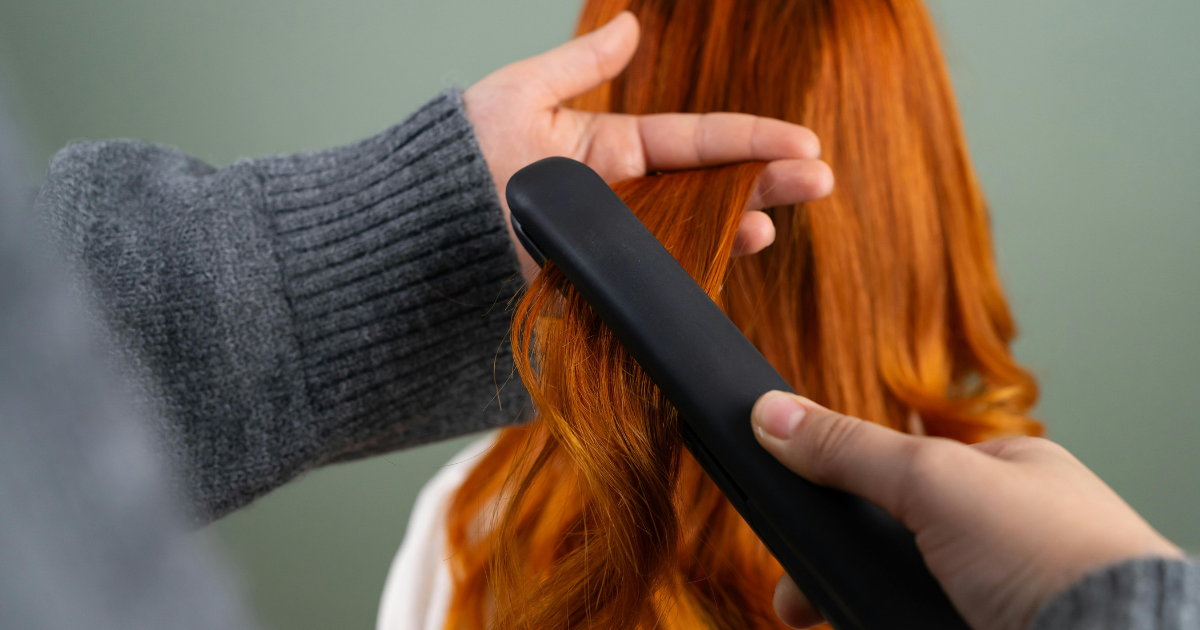
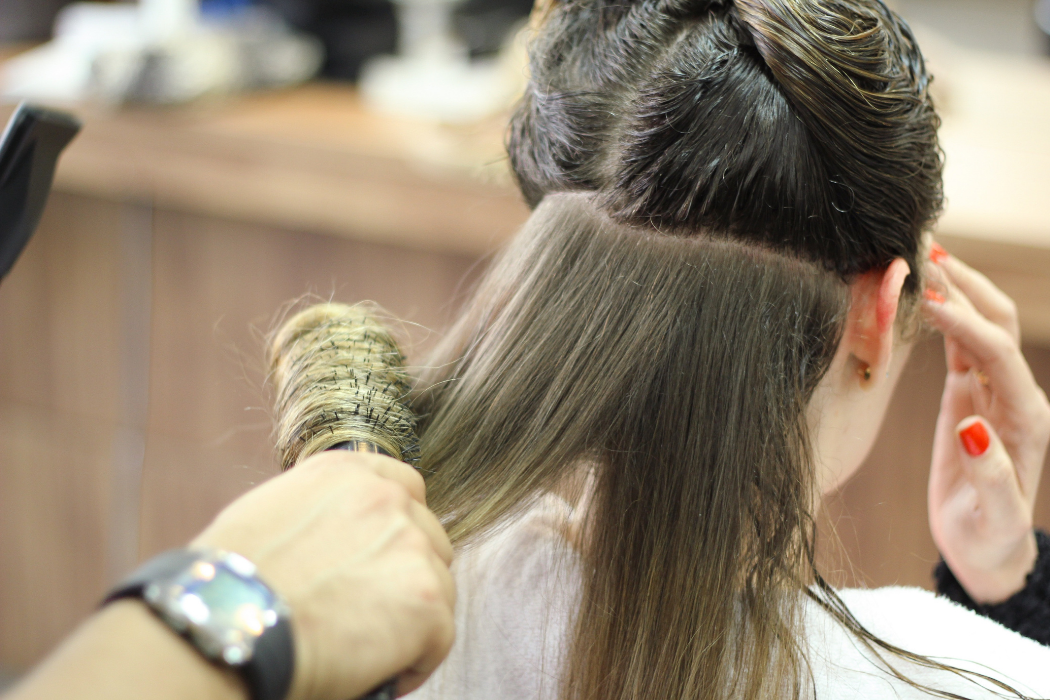
Blow-dryers, curling irons, and flat irons can create a polished finish, but frequent high temperatures may contribute to dryness and breakage. Healthy styling is usually about controlling heat rather than avoiding it completely.
The American Academy of Dermatology recommends limiting excessive heat and using the lowest temperature that produces the desired result.
Apply an appropriate heat protectant before styling, allow hair to partially air-dry when practical, and avoid repeatedly passing a hot tool over the same section. Hair that has been lightened or chemically treated may require especially careful temperature control.
Think Carefully Before Choosing a Smoothing Service
Professional smoothing treatments can reduce frizz, improve shine, and shorten daily styling time. They do not all use the same formula or produce identical results, however.
A full keratin service may offer longer-lasting smoothness, while an express treatment may provide a shorter commitment. A consultation should cover the expected finish, service duration, aftercare products, shampoo restrictions, and compatibility with existing color or extensions.
Clients should also understand the product being applied. The Occupational Safety and Health Administration provides safety information about certain hair-smoothing products that may contain or release formaldehyde during use. Ask your salon what product will be used and disclose asthma, fragrance sensitivity, or previous reactions before the appointment.
Approach Hair Extensions as an Ongoing Routine
Extensions can add length, density, color, or fullness around areas where natural hair feels sparse. Their success depends on selecting an appropriate method and maintaining the attachment points correctly.
During an extension consultation, the stylist should evaluate natural density, scalp condition, color match, desired length, and the amount of hair the client can comfortably support. The conversation should also include installation, move-up appointments, removal, replacement hair, and home care.
Extensions should feel secure, but they should not create persistent pain or excessive pulling. The American Academy of Dermatology explains that repeated tension may contribute to traction alopecia. Contact the salon if an attachment feels painfully tight or if you notice irritation, broken hairs, bumps, or unexpected thinning.
Basic extension care usually includes:
- Brushing gently while supporting the attachment areas
- Keeping heavy oils and conditioner away from bonds or tracks
- Drying the roots and attachment points completely
- Sleeping with dry hair in a loose braid or recommended style
- Attending move-up or maintenance appointments on schedule
- Having extensions professionally removed
Protect Hair Around Pools, Sun, and Humidity
Athens summers can bring heat and humidity, while swimming introduces chlorine or saltwater that may leave hair dry, tangled, or difficult to manage. Color-treated and extension hair may need additional preparation.
Wet the hair with clean water before entering a pool, keep long hair controlled, and rinse promptly after swimming. The Centers for Disease Control and Prevention also recommends showering before entering the water as part of healthier swimming practices.
Sun exposure can affect the scalp and contribute to fading or dryness. The U.S. Environmental Protection Agency’s UV Index can help you understand daily ultraviolet exposure. A hat, shade, and hair products recommended for your color or texture can be especially useful during extended outdoor activities.
Conditioning Treatments Should Solve a Specific Problem
Dryness, rough texture, mineral buildup, breakage, and a lack of shine can look similar but may require different approaches. Adding the richest possible conditioner is not always the answer.
A professional treatment may focus on hydration, strength, softness, manageability, or removal of accumulated residue. Your stylist can examine how the hair feels and determine whether a treatment should be added to a color appointment or scheduled separately.
Keep expectations realistic. A treatment may temporarily improve softness and appearance, but it cannot permanently reconnect severely split ends or reverse every form of structural damage. Sometimes the healthiest recommendation is a trim combined with gentler home care.
Create a Simple Home Routine
Professional services work best when supported by consistent habits. You do not need a crowded shelf of products. A practical routine may include shampoo and conditioner suited to your hair, a detangling product, heat protection, and one finishing formula selected for your preferred style.
Use products as directed and introduce new formulas gradually if your scalp is sensitive. The FDA’s hair-care product guidance encourages consumers to read labels and report serious reactions associated with cosmetic products.
Before leaving the salon, ask your stylist to write down the products used and demonstrate the most important styling step. If the recommended routine feels too complicated, request a simpler version you can follow consistently.
Professional Salon Services in Athens
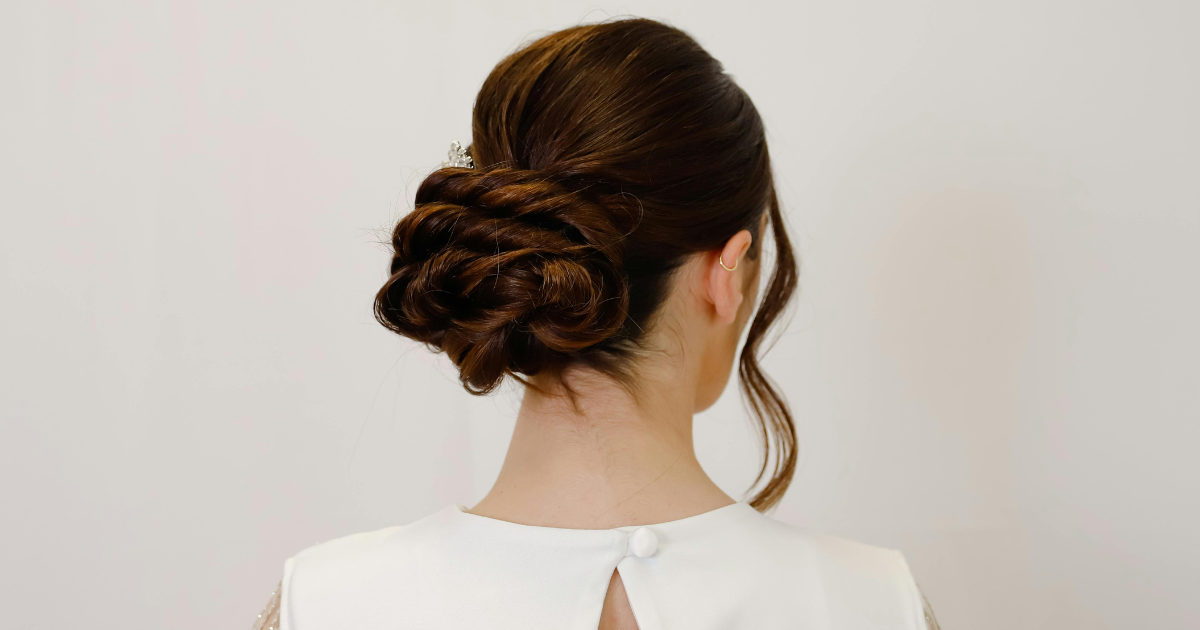
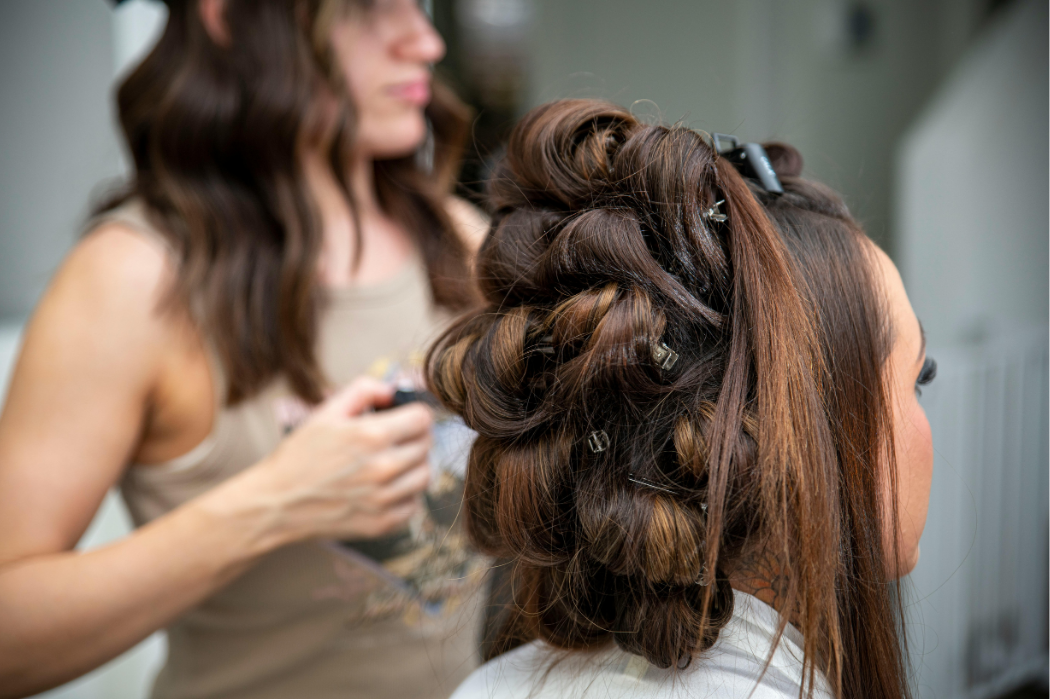
Haven and Mane provides personalized hair services from its salon at 1059 Baxter Street in Athens, Georgia. Its confirmed menu includes women’s and men’s haircuts, bang trims, blow-dry styling, updos, root retouches, full and partial highlights, glazes, extension services, Brazilian Blowouts, and keratin treatments.
The salon offers beaded-row, K-tip, Mago, and tape-in extension options, with a consultation required before installation. Its extension-certified stylists use the consultation to discuss color matching, method selection, maintenance, and pricing according to the client’s goals.
Haven and Mane’s approach also emphasizes the emotional side of salon care: providing a comfortable place where guests can unwind, connect, and leave feeling recharged as well as polished.
Healthy Hair Is a Long-Term Partnership
No single haircut, color appointment, or conditioning treatment creates permanently perfect hair. Better results come from a repeatable combination of professional guidance, realistic maintenance, careful home styling, and open communication.
Tell your stylist what is working and what is not. Mention changes in texture, shedding, sensitivity, or breakage rather than trying to conceal them. Persistent scalp pain, sudden hair loss, sores, or unexplained thinning should be evaluated by an appropriate healthcare professional.
The right salon routine should help you understand your hair instead of making it feel more complicated. When services match your condition, lifestyle, and goals, looking polished becomes easier to maintain—and healthy self-care becomes something you can genuinely enjoy.