Bridal Spray Tan in Denver, CO: A Wedding Glow Guide
Bridal spray tan in Denver, CO offers a customizable way to create an even, sun-kissed appearance without spending the days before a wedding tanning outdoors…

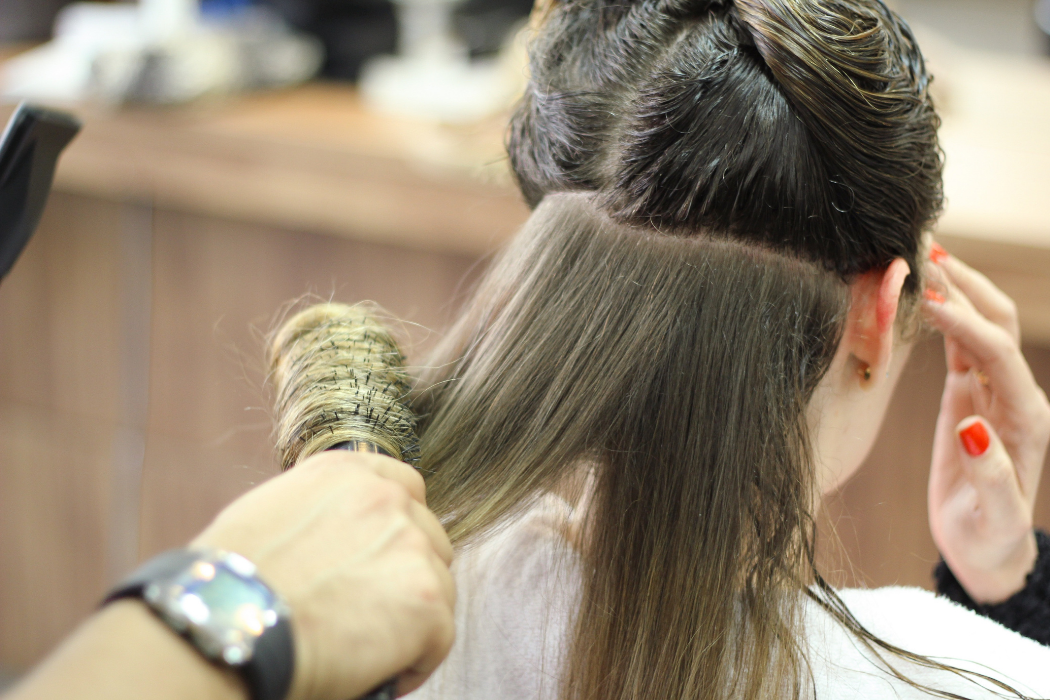
A supportive Hair Salon can help improve how hair looks, feels, and behaves, but the healthiest beauty plan begins with understanding the difference between cosmetic damage and a medical scalp or hair-loss concern.
“Healthy hair” is one of those phrases that appears everywhere. It is printed on shampoo bottles, included in treatment descriptions, and used to explain everything from shine to growth. In reality, hair and scalp concerns are not all the same, and no single product can address every problem.
A professional haircut, conditioning treatment, or gentler styling routine can make a meaningful difference when hair is dry, tangled, or breaking. Persistent shedding, bald patches, scalp inflammation, or unexplained thinning may require evaluation by a healthcare professional.
The scalp is living skin containing hair follicles, oil glands, blood vessels, and nerves. The visible hair shaft extending beyond the scalp is made of keratinized tissue. This distinction helps explain why a cosmetic treatment can make existing strands feel smoother without changing every process occurring inside the follicle.
Professional products may help with:
Salon services cannot diagnose the cause of a widening part, sudden shedding, circular bald patches, or an inflamed scalp. The American Academy of Dermatology explains that dermatologists are medical doctors trained to diagnose and treat conditions affecting the skin, hair, and nails.
Hair on a brush or shower floor can come from different processes. A full strand that has released from the follicle is not the same as a hair shaft that has snapped somewhere along its length.
Shedding usually involves entire strands releasing as part of the hair-growth cycle. The amount may temporarily increase after certain physical or emotional stressors, hormonal changes, illness, or other events.
Breakage happens when the visible strand becomes weak and snaps. Broken hairs may create short pieces, uneven ends, frizz, or areas that seem unable to retain length.
The AAD explains that a dermatologist can distinguish between excessive shedding and hair loss. Some people may experience both, which is why guessing from photographs or social media descriptions is unreliable.
The AAD’s guide to early signs of hair loss notes that gradual changes can be subtle. Taking photographs under similar lighting every few months can provide more useful context than checking the mirror several times per day.
Professional treatments can be valuable when their purpose is clearly explained. Some are designed to improve hydration, while others temporarily smooth the cuticle, reduce friction, add shine, or support weakened hair bonds.
A treatment earns a place in a healthy routine when it solves a specific problem. Ask:
A rich mask may help dry, coarse lengths but feel heavy on fine hair. A protein-focused or bond-supporting service may be helpful after chemical processing, yet it does not replace moisture or gentle handling. The correct balance depends on the hair’s texture, condition, and recent service history.
Hair damage is often cumulative. One careful blowout may not create an obvious problem, but high heat, tight styling, rough brushing, frequent lightening, and skipped conditioning can gradually affect the same strands.
The AAD’s advice on preventing hair damage recommends gentle washing, conditioning after shampooing, careful detangling, and limiting practices that repeatedly stress the hair.
A practical damage-reduction plan may include:
The goal is not to create a completely risk-free beauty routine. It is to avoid placing every possible stress on the hair at the same time.
Previous color remains relevant even when it has faded or been covered with another shade. Home dye, bleach, henna, smoothing treatments, perms, relaxers, and color removers can influence how hair responds to a new service.
A strand test may provide information about lifting, tone, and strength before a large transformation. It cannot predict every outcome, but it can help the stylist plan more carefully.
The U.S. Food and Drug Administration recommends following hair-dye directions and performing the advised skin test before every application. Tell the stylist about past itching, swelling, burning, or rashes, even if the reaction occurred years ago.
Severe burning during a service should not be ignored. Unexpected reactions may require medical attention, particularly when they involve facial swelling, breathing difficulty, or widespread symptoms.
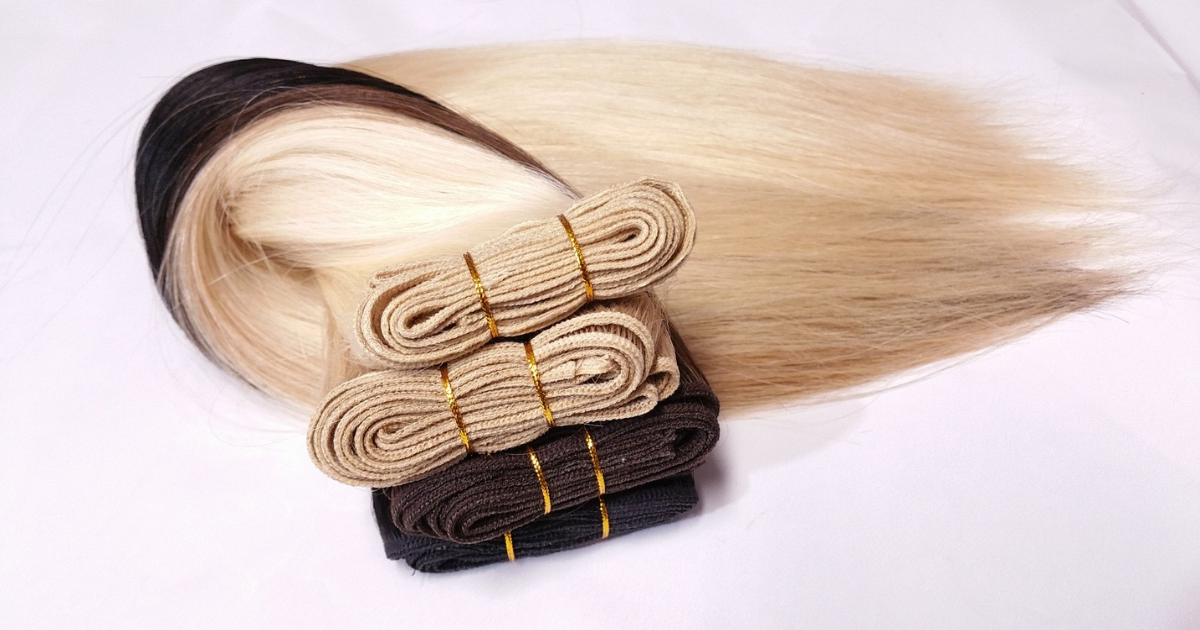
Extensions can add length, volume, density, or styling flexibility. They also place additional weight and maintenance demands on the natural hair.
A scalp-conscious extension plan should consider the condition and density of the natural hair, the weight of the installation, placement, maintenance frequency, and home-care habits.
The American Academy of Dermatology advises extension wearers to avoid excessive tension and take discomfort seriously in its guide to preventing damage from weaves and extensions.
Contact the extension professional if you experience:
Professional removal is part of the service cycle. Pulling or cutting out extensions at home may cause avoidable damage.
A flaky scalp may be associated with dryness, product buildup, dandruff, seborrheic dermatitis, psoriasis, contact dermatitis, or another condition. Applying more oil without understanding the cause can sometimes make the scalp feel worse.
Scalp treatments offered in a salon can provide a cleansing or relaxing cosmetic experience, but they should not be represented as cures for medical conditions.
The AAD recommends gentle handling for people with scalp psoriasis because scraping, scratching, and pulling may aggravate the scalp. Its scalp psoriasis styling guidance also encourages limiting practices that irritate sensitive areas.
Seek medical advice for thick scale, bleeding, persistent sores, spreading rashes, painful bumps, or symptoms that do not improve with appropriate routine care.
Beauty supplements and scalp products are often promoted with dramatic growth claims. Some may support general nutrition or improve the cosmetic feel of the hair, but they should not be assumed to treat an undiagnosed cause of hair loss.
Biotin is a popular example. The National Institutes of Health’s biotin fact sheet notes that deficiency can involve hair loss, but also explains that support for routine hair, skin, and nail claims is limited to small studies and case reports. Biotin deficiency is uncommon, and high supplemental intake can interfere with certain laboratory tests.
Discuss supplements with a healthcare professional, particularly if you take medications, are pregnant, have a health condition, or are undergoing blood testing.
The FDA has also issued warning letters concerning cosmetic products marketed with drug-like claims, including claims involving hair restoration. A cosmetic can improve appearance without being proven to treat a disease or regrow hair.
A healthy-hair routine does not need ten complicated steps. Begin with a few products and techniques suited to your actual hair.
If several new products are introduced at once, it becomes difficult to identify which one helped or caused irritation. Add products gradually and evaluate performance over several normal wash days.
This balance between cosmetic care and personalization is available at A List Salon, a full-service salon and spa in Georgetown, Kentucky. Its hair services include precision and curly cuts, color, extensions, conditioning treatments, smoothing services, perms, and bridal styling.
The salon offers virtual consultations and a matchmaking survey designed to connect guests with an artist based on hair type, style, and service needs. Guests interested in significant color changes, extensions, or texture services should provide a complete hair history and confirm which service is appropriate.
A salon professional can recommend cosmetic treatments, adjust a haircut to reduce damaged ends, and teach gentler styling techniques. A dermatologist or another appropriate medical professional should evaluate unexplained hair loss, persistent scalp disease, or symptoms suggesting an underlying health issue.
The healthiest beauty routine respects what each form of care can realistically do. Salon services can improve softness, manageability, shape, color, and confidence. Medical professionals diagnose and treat diseases affecting the scalp and follicles.
When those roles remain clear, it becomes easier to stop chasing miracle claims and focus on useful habits: gentle handling, honest consultations, appropriate treatments, consistent home care, and timely medical guidance when something does not seem right.