Bridal Spray Tan in Denver, CO: A Wedding Glow Guide
Bridal spray tan in Denver, CO offers a customizable way to create an even, sun-kissed appearance without spending the days before a wedding tanning outdoors…

A thoughtful Hair salon appointment can refresh your look, but the everyday choices you make at home largely determine how your hair and scalp feel in the weeks that follow.
Hair wellness is not about collecting an overflowing shelf of masks, oils, and trendy treatments. It is about understanding what your scalp needs, protecting vulnerable strands, and building a routine you can follow consistently. When those basics are in place, color tends to look brighter, styling becomes easier, and hair is less likely to feel rough or brittle.
The good news is that a healthier routine does not need to be complicated. A few targeted changes can make a noticeable difference.
We often pay close attention to the skin on our faces while treating the scalp as little more than a place where hair grows. In reality, the scalp can become oily, dry, irritated, sunburned, or affected by product buildup.
A balanced scalp should feel comfortable after washing. Persistent itching, soreness, flaking, burning, or visible inflammation deserves attention. The American Academy of Dermatology’s scalp-care resources explain common scalp concerns and when professional medical care may be appropriate.
A stylist can observe visible changes and help you adjust cosmetic products, but a salon cannot diagnose a medical condition. If symptoms continue despite gentle care, schedule an appointment with a board-certified dermatologist.
Online advice often presents shampoo frequency as a strict rule. Some people insist that daily washing is harmful, while others recommend frequent cleansing for everyone. Neither approach accounts for differences in oil production, texture, exercise habits, product use, or scalp conditions.
Wash when your scalp feels oily, uncomfortable, or coated. Someone with straight, fine hair may need shampoo more frequently than a person with dry, tightly curled hair. The goal is not to stretch the time between washes as long as possible. The goal is to keep the scalp comfortable without making the lengths unnecessarily dry.
The AAD’s healthy hair recommendations also encourage matching shampoo frequency and product choice to hair type.
Wet hair requires patient handling. Aggressive towel rubbing, forceful detangling, and tight wet buns can place unnecessary stress on already vulnerable strands.
After washing, gently squeeze out excess water and blot with a soft towel or clean cotton T-shirt. Use a wide-tooth comb when appropriate for your texture, beginning near the ends and gradually working upward. Curly hair is often easier to detangle while it is wet and coated with conditioner, while straight hair may benefit from partially drying first.
If you use leave-in conditioner, apply enough to improve slip without saturating the roots. More product does not always create more moisture. It can instead leave fine hair flat or contribute to buildup.
Heat tools are useful, and giving them up completely is not realistic for everyone. A better goal is to reduce repeated exposure while using the lowest effective temperature.
Apply a heat-protective product before blow-drying, curling, or straightening. Work in manageable sections so you do not repeatedly pass a hot tool over the same area. If possible, allow hair to air-dry partially before using a dryer.
The AAD offers additional guidance on styling hair without avoidable damage. Its recommendations include limiting high heat and handling wet hair carefully.
Color-treated hair often benefits from a routine focused on gentle cleansing, conditioning, and protection from excessive heat. A toning shampoo or pigmented conditioner can be useful, but using it too frequently may leave some hair feeling dry or create an unintended cast.
Ask your colorist how often a toning product is appropriate for your shade. Warm brunette, copper, blonde, fashion color, and gray-blending services all have different maintenance needs.
When using permanent color or another chemical product at home, always read the current package instructions. Formulas can change, and a product that caused no problems in the past can still trigger a later reaction. The U.S. Food and Drug Administration’s hair dye guidance discusses allergy precautions, product directions, and what to do if a reaction occurs.
Contact a medical professional if coloring causes significant swelling, blistering, difficulty breathing, or another serious reaction.
A sleek ponytail can look polished, but wearing tight styles every day may strain the hairline. The same concern can apply to tight buns, braids, extensions, and other styles that repeatedly pull on the same areas.
The AAD notes in its hair-loss management advice that frequent pulling can contribute to traction alopecia and may eventually cause permanent loss.
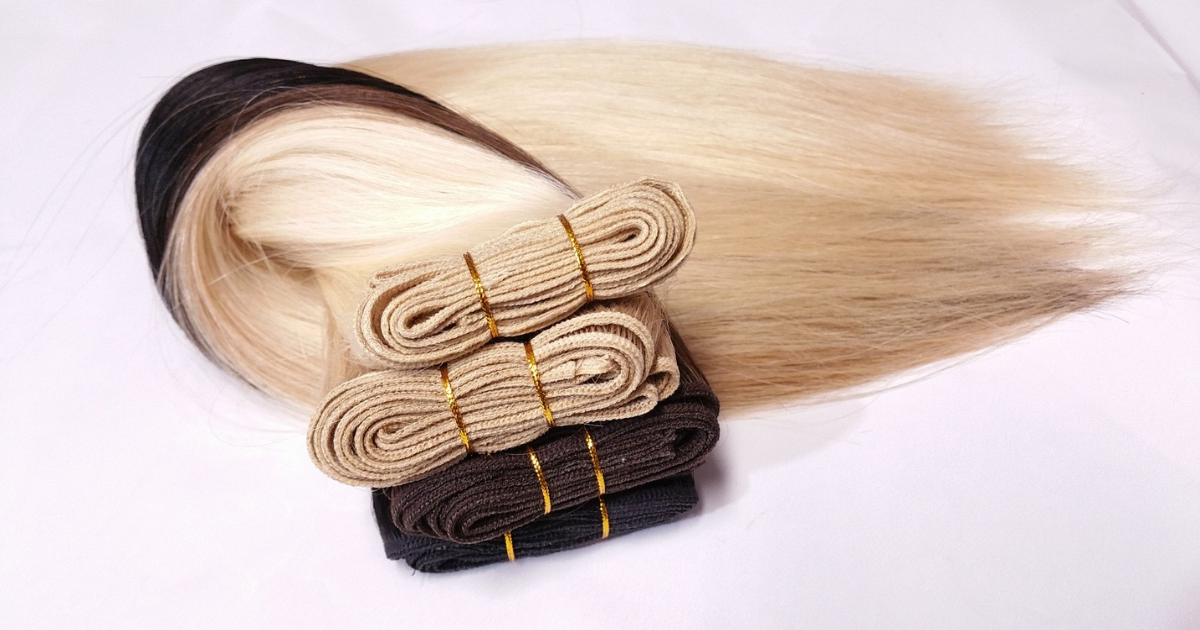
Rotate the position of ponytails and buns, use covered elastics, and loosen styles that cause pain or leave the scalp feeling tender. Extensions should feel secure, but they should not hurt. Ongoing discomfort is a reason to contact the stylist who installed them.
Outdoor time and regular movement support overall well-being, so hair care should fit those activities instead of making you avoid them.
During strong sun exposure, protect visible areas of the scalp with a hat or a sunscreen designed for the scalp. The EPA’s UV Index scale can help you understand the day’s ultraviolet exposure and plan appropriate protection.
Before swimming, wetting the hair with clean water may reduce how much pool or salt water it absorbs. Afterward, rinse promptly and condition as needed. Pool users can also consult the CDC’s Healthy Swimming resources for guidance on avoiding skin irritation and other water-related health concerns.
If you exercise frequently, focus on the scalp rather than automatically shampooing the entire length after every workout. Depending on your hair type, a scalp rinse, gentle wash, or simple restyle may be enough.
A salon appointment is an opportunity to evaluate more than split ends. Tell your stylist what has changed since your last visit, including new medications, increased shedding, scalp sensitivity, swimming habits, heat use, or a major change in your styling routine.
Serving the Matthews area, Diviniti Salon & Spa offers haircuts, color, conditioning treatments, extensions, and texture-related services. A consultation can help connect the desired look with a realistic maintenance plan, whether that means adjusting a haircut, refreshing color, or choosing a treatment for the current condition of the hair.
Hair does not need to be perfect before you color, straighten, or extend it, but significant breakage may be a reason to modify the plan. Warning signs include ends snapping during gentle brushing, numerous short broken pieces, persistent tangling, and a gummy or overly stretchy feeling when wet.
In those situations, the best next step may be a trim, a less demanding color service, or a period of gentler styling. A dramatic treatment is not always the answer. Sometimes hair benefits most from fewer overlapping chemical services and more time between high-impact changes.
The healthiest plan is usually the one that fits comfortably into everyday life. Start with a clean scalp, careful detangling, appropriate conditioning, moderate heat, and protection from tension and environmental exposure. Add specialty products only when they serve a clear purpose.
Beautiful hair and hair wellness are not competing goals. When a haircut suits your texture, color maintenance is realistic, and the scalp feels comfortable, beauty becomes easier to sustain. Consistent habits between appointments are what allow a fresh salon result to keep looking and feeling its best.