The Healthiest Hair Color Plan Is the One That Fits Your Real Life
The Healthiest Hair Color Plan Is the One That Fits Your Real Life Personalized hair coloring works best when the shade, technique, maintenance schedule, and…

Professional bridal hair and makeup in Neenah, WI can help you create a polished wedding-day look while reducing last-minute decisions through thoughtful consultations, practice appointments, and realistic preparation.
Wedding beauty should feel exciting, but the number of choices can quickly become overwhelming. You may be considering an updo or loose waves, natural or glamorous makeup, fresh color, hair extensions, accessories, and styles for several members of the wedding party—all while managing the rest of the event.
The best approach is not to chase every bridal trend. It is to develop a look that photographs beautifully, feels comfortable, complements the celebration, and still feels like you.
Hair and makeup should work with the entire visual plan. Before choosing a style, consider the dress, neckline, venue, season, accessories, and overall formality of the wedding.
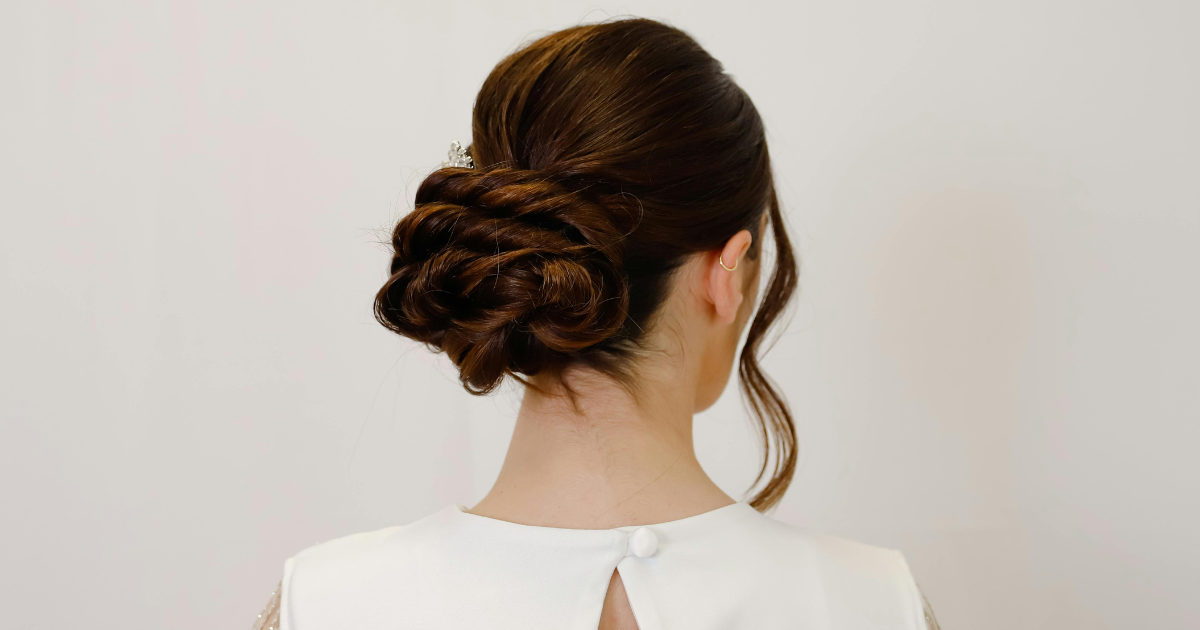
A structured updo may complement a formal evening celebration, while softer waves may suit a relaxed outdoor ceremony. Neither option is automatically better. The right choice is the one that supports your appearance and remains practical for the location.
Bring your stylist clear information about:
These details help the salon recommend an appropriate timeline and determine whether a practice appointment or additional preparation is needed.
Photographs are useful because words such as “natural,” “romantic,” and “glamorous” can mean different things to different people. Bring several examples that show the shape, texture, volume, and finish you prefer.
Try to select photographs featuring hair with a length, density, color, and texture reasonably similar to yours. Intricate details may be less visible on dark hair than on heavily highlighted hair, while an extremely full updo may require extensions or padding.
Show your stylist what you dislike as well. Explaining that you do not want pieces around your face, excessive height at the crown, a severe part, or heavy-looking makeup can be just as helpful as showing the desired result.
A bridal trial—sometimes called a practice appointment—is the opportunity to test the complete plan before the wedding. It allows the stylist and makeup artist to evaluate your preferences, make adjustments, and record the products and techniques used.
During the practice appointment, pay attention to more than how the style looks in the mirror. Consider:
Take photos from several angles and wear a shirt with a neckline or color similar to your wedding attire when possible. This provides better context than evaluating bridal makeup above a bright casual T-shirt.
A veil, comb, crown, decorative pin, or floral accessory can change the balance and construction of a hairstyle. Your stylist needs to see how the piece attaches, how much it weighs, and whether it will be removed after the ceremony.
Bring the actual accessory to the consultation and practice appointment whenever possible. If your veil will be removed before the reception, ask how to take it out without disrupting the rest of the style.
Do not assume every decorative comb will remain secure in every hair texture. Your stylist may need to create additional support or recommend a small adjustment to the design.
A wedding is rarely the ideal time for an impulsive chemical transformation. Large changes involving heavy lightening, color correction, extensions, or texture treatments should be discussed well in advance.
The U.S. Food and Drug Administration recommends following hair-color directions and completing any instructed allergy testing. Tell your stylist about previous reactions and disclose all recent color processes, including services completed at home.
Healthy-looking hair also depends on everyday habits. The American Academy of Dermatology recommends gentle handling, limiting excessive heat, and selecting the lowest heat setting that creates the desired result.
In the weeks before the wedding:
The goal is consistency. A simple routine that keeps your hair manageable is more valuable than a collection of unfamiliar products introduced immediately before the event.
Bridal makeup needs to perform in person, in photographs, and across several hours. That does not mean it must feel heavy or dramatically different from your usual appearance.
Tell your makeup artist whether you normally wear minimal makeup, prefer full coverage, have difficulty with false lashes, or tend to touch your face. Discuss skin type, sensitivities, allergies, contact lenses, and any recent cosmetic treatments.
The FDA’s information about allergens in cosmetics explains that fragrances, preservatives, dyes, metals, and other ingredients may cause reactions in some people. A product described as natural or botanical is not automatically appropriate for every skin type.
A practice application gives you time to identify discomfort and request changes. If a product causes significant burning, swelling, itching, or irritation, remove it and seek appropriate medical guidance rather than assuming the reaction will disappear.
Facials and consistent home care can support a fresh appearance, but stronger is not always better. An unfamiliar peel, abrasive scrub, or active product may leave the skin irritated at exactly the wrong time.
The American Academy of Dermatology notes that chemical peels vary in strength and potential recovery time. Professional guidance is especially important when considering a treatment close to a significant event.
Keep the final days simple. Use familiar products, moisturize appropriately, and continue daily sun protection. The U.S. Environmental Protection Agency’s UV Index can help you understand the day’s ultraviolet exposure, particularly for outdoor rehearsals, photographs, or ceremonies.
A bridal party may include people with different hair textures, lengths, skin types, and comfort levels. Rather than requiring identical looks, consider a coordinated approach with room for individual variation.
For example, attendants might choose from several approved hairstyles while keeping a consistent level of polish. Makeup can use a shared color palette while adjusting coverage, lashes, and complexion products for each person.
Collect service selections before confirming the schedule. Determine who is receiving hair, makeup, or both, and communicate any changes promptly. Each person should know the appointment location, arrival time, preparation instructions, and payment expectations.
Ask the salon whether attendants should arrive with clean, dry hair and makeup-free skin. Following the preparation instructions prevents delays and allows the artists to use the scheduled time effectively.
A packed schedule creates unnecessary pressure. Build in time for photographs, getting dressed, attaching the veil, eating, traveling, and handling small delays.
Work backward from the time everyone must be ready—not merely the ceremony time. The bride should not necessarily be scheduled last if that creates a stressful finish. Your salon can help determine the service order based on the number of artists and appointments.
Emotional stress can also affect how the morning feels. The National Institute of Mental Health recommends healthy stress-management practices such as maintaining routines, getting adequate sleep, exercising, and using supportive relationships.
On the wedding morning, assign one trusted person to answer logistical questions and keep the schedule moving. This allows the bride to remain present rather than managing every message and decision personally.
Beauty preparation is only one part of feeling well. Long appointments, nerves, and a busy schedule can make it easy to skip breakfast or rely entirely on caffeine.
Eat something familiar, drink water, and keep simple snacks available. Avoid experimenting with new supplements, extreme diets, or unfamiliar wellness treatments immediately before the wedding.
Sleep matters too. The Centers for Disease Control and Prevention explains that sufficient sleep supports mood, attention, and overall health. One imperfect night will not ruin your appearance, but a consistent sleep routine during the weeks before the wedding may help you feel more prepared and emotionally balanced.
Salon Aura of Neenah provides bridal hair and makeup services from its salon and spa at 928 South Green Bay Road in Neenah, Wisconsin.
Its confirmed bridal menu includes bridal hairstyling with a practice appointment, bridal makeup with a practice appointment, bridesmaid updos, and bridesmaid makeup. The salon recommends scheduling the consultation, trial, and wedding-day appointments one to two months before the event.
Brides are instructed to bring their veil or headpiece to each bridal appointment. Clients receiving bridal styling or bridesmaid updos should also follow the salon’s preparation instructions and arrive with clean, dry hair.
As an Aveda salon and spa, Salon Aura combines hair and makeup artistry with a broader focus on personal care, comfort, and plant-based products. Its bridal team works with each client to refine the desired look before the wedding day rather than leaving important decisions until the final appointment.
Bridal beauty planning should give you confidence, not another source of pressure. A clear consultation, realistic inspiration, thoughtful practice appointment, and comfortable timeline can remove dozens of small decisions from the wedding morning.
Your final style does not need to follow every current trend. It needs to complement your features, suit the celebration, remain comfortable, and help you feel fully present.
When the technical details have already been tested and communicated, you can spend less time worrying about your hair and makeup—and more time enjoying the people, memories, and meaning of the day.