The Healthiest Hair Color Plan Is the One That Fits Your Real Life
The Healthiest Hair Color Plan Is the One That Fits Your Real Life Personalized hair coloring works best when the shade, technique, maintenance schedule, and…

Choosing a professional hair salon in Pensacola, FL is not only about finding someone who can create a beautiful finished style; it is also about building a routine that respects your hair’s condition, texture, and long-term needs.
Hair can influence how we feel when we walk into work, meet friends, attend an event, or simply look in the mirror. Yet healthy-looking results rarely come from chasing every trend. They usually begin with a thoughtful consultation, realistic expectations, and consistent care between appointments.
A reliable salon partnership gives you something online inspiration cannot: professional recommendations based on the hair actually sitting in the chair.
The consultation is one of the most important parts of any salon appointment. It gives you and the stylist time to discuss your desired result, styling habits, chemical history, and preferred level of maintenance.
Bring photographs that show what you like, but explain which details matter most. Is it the length, fringe, texture, brightness, dimension, or overall mood? One image may show a color you love but a haircut that would not work for your routine.
Be honest about:
This information helps the stylist recommend what is achievable and whether the goal should be completed in one appointment or over several visits.
Hair texture influences how a cut falls, how much volume it creates, and how much daily styling it requires. A heavily layered design may add movement to one person’s hair while creating unwanted fullness or frizz for someone else.
The American Academy of Dermatology provides hair-care recommendations for different textures and emphasizes the importance of gentle treatment. Understanding how your hair behaves naturally can help you choose a style that remains manageable after leaving the salon.
Ask the stylist to explain how to recreate the finished look at home. Pay attention to:
If a haircut only works after an hour of styling and you normally have ten minutes, request a lower-maintenance alternative.
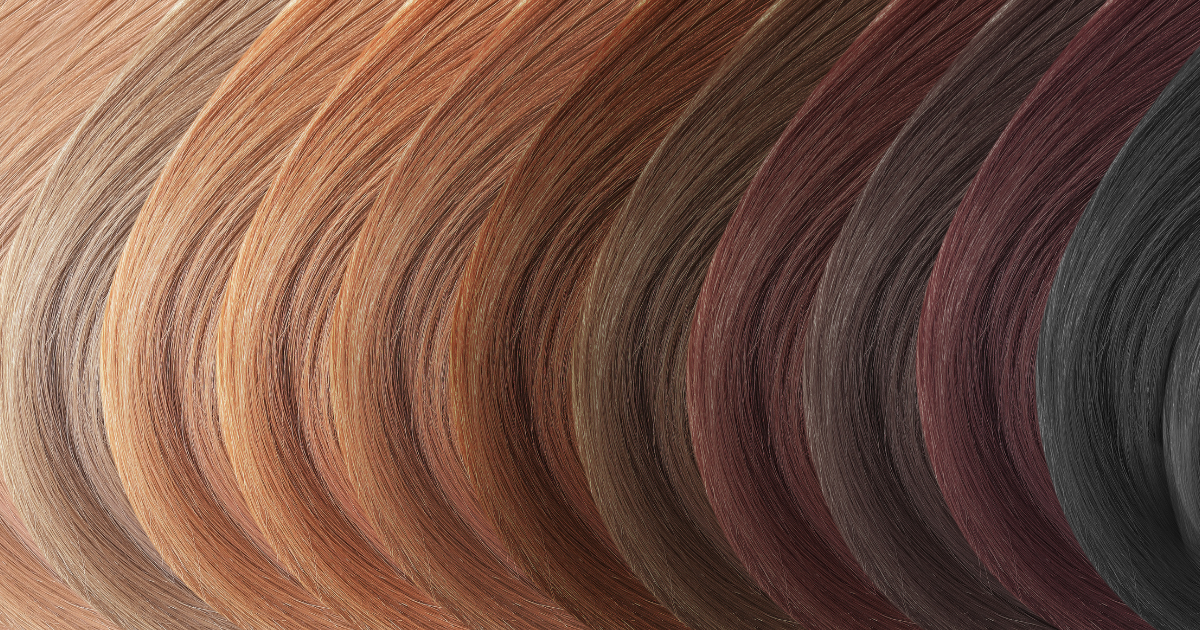
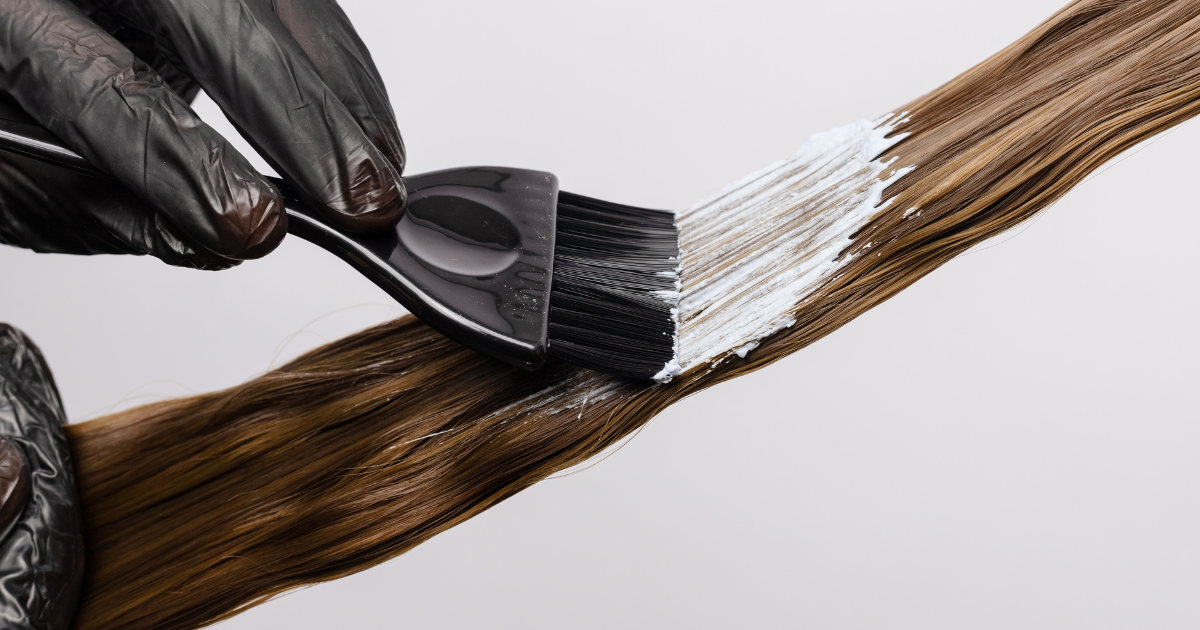
Color can brighten the complexion, add dimension, cover gray, or completely transform a style. Every color service, however, comes with a maintenance schedule.
Permanent root color may create a visible regrowth line. Highlights often need periodic toning. Balayage can produce a softer transition, but it may still require glosses, conditioning treatments, and occasional brightening.
Healthy color planning means balancing the desired shade with the condition of the hair. Previously lightened or compromised areas may not tolerate the same process as untreated growth.
The U.S. Food and Drug Administration advises consumers to follow hair-color directions carefully and complete instructed allergy testing. Always tell your stylist if you have experienced itching, swelling, blistering, or another reaction following previous color services.
Blow-dryers, flat irons, and curling tools can create polished results, but frequent high temperatures may weaken the hair over time. The goal is not necessarily to avoid heat completely; it is to use it more thoughtfully.
The American Academy of Dermatology recommends limiting excessive heat and selecting the lowest setting that produces the desired result.
Before styling, remove excess water gently rather than rubbing the hair aggressively with a towel. Apply an appropriate heat-protective product and avoid repeatedly passing a hot tool over the same section. Whenever possible, include lower-heat or heat-free days in your routine.
Dryness, breakage, rough texture, and lack of shine can have several causes. More conditioner is not always the complete answer. Hair may need added moisture, strengthening support, removal of mineral buildup, or simply less exposure to damaging practices.
A professional conditioning treatment can support softness and manageability, but expectations should remain realistic. Treatments cannot permanently repair every form of structural damage or rejoin severely split ends.
Your stylist can assess the hair and recommend whether a deep-conditioning, bond-supporting, clarifying, or other treatment is appropriate. Follow the recommended frequency, since overusing certain formulas may leave the hair heavy or difficult to style.
Extensions can add length, fullness, and styling versatility. They also introduce additional weight and require careful maintenance.
A consultation should cover the installation method, color match, amount of hair, maintenance schedule, home care, removal process, and total financial commitment. The natural hair and scalp should be considered before installation.
The American Academy of Dermatology warns about traction alopecia, a form of hair loss associated with repeated pulling. Extensions or hairstyles that feel painfully tight should not be ignored.
Follow professional instructions for brushing, washing, drying, sleeping, and using heat around the attachment areas. Maintenance appointments are essential because natural hair continues to grow while the extensions remain in place.
A healthy hair routine should include attention to the scalp. Persistent itching, flaking, pain, sores, sudden shedding, or visible thinning may require more than a different shampoo.
The American Academy of Dermatology’s hair-loss resources explain that numerous factors can contribute to shedding and thinning. A stylist may notice a change, but diagnosis and medical treatment belong with an appropriate healthcare provider.
Avoid using salon services to conceal an unexplained scalp condition without first understanding what is happening. Early medical evaluation can be important when hair loss is sudden, patchy, painful, or accompanied by inflammation.
Humidity, strong sunlight, saltwater, and swimming pools can all influence how hair looks and feels. Color-treated or lightened hair may require additional care during long periods outdoors.
Helpful habits include:
The Centers for Disease Control and Prevention offers general healthy-swimming guidance, including showering before entering the water and avoiding swimming when ill. Hair protection is only one part of a safe day at the pool or beach.
Special-event styling should be scheduled early enough to allow for a consultation and trial when necessary. Bring photographs of the outfit, neckline, accessories, veil, and preferred hairstyle.
A trial can reveal whether the chosen style is comfortable, suits the overall look, and lasts as expected. It also provides an opportunity to discuss extensions, hair preparation, washing instructions, and timing on the event day.
Avoid making a major cut or color change immediately before an important event unless the plan has already been discussed with your stylist. Leaving time for adjustments reduces unnecessary stress.
The Penton House Hair Studio is located at 47 N. 9th Avenue in downtown Pensacola. Its confirmed professional services include women’s, youth, and children’s haircuts, shampoo and styling, formal styling, custom color, glazes, full and partial highlights, balayage, ombré and sombré, deep-conditioning treatments, extensions, keratin treatments, waxing, bridal hair and makeup, and barbering.
The studio also offers a stylist-matching survey designed to connect guests with professionals whose skills, communication styles, and personalities fit their preferences. This can be especially useful for someone who is new to the area or uncertain about which stylist to book.
Healthy-looking hair is not created by one perfect appointment. It develops through appropriate professional services, realistic maintenance, gentle handling, and honest communication with your stylist.
Before leaving the salon, ask when you should return and what you should do at home. Write down the products and techniques that were used. If something about the routine feels too complicated, say so and request a simpler approach.
The best salon partnership should leave you feeling informed rather than dependent. When you understand your hair and know how to care for it, professional appointments become part of a sustainable routine that supports both confidence and long-term hair health.