The Healthiest Hair Color Plan Is the One That Fits Your Real Life
The Healthiest Hair Color Plan Is the One That Fits Your Real Life Personalized hair coloring works best when the shade, technique, maintenance schedule, and…

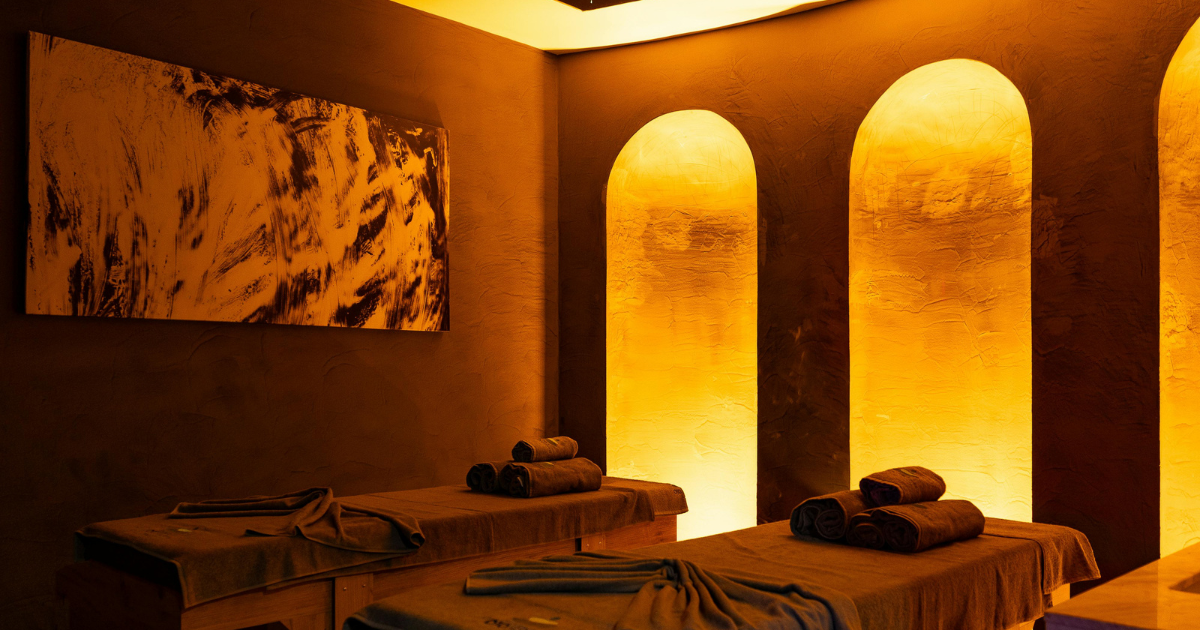
A visit to a full-service salon and spa in St. Petersburg, FL can make it easier to combine beauty treatments, relaxation, and personal care into one thoughtfully planned day.
Self-care is often presented as something spontaneous: book a massage, try a new facial, or change your hairstyle whenever life becomes overwhelming. While any of those experiences can feel rewarding, a little preparation can turn an ordinary appointment into a more restorative experience.
A successful self-care day should reflect what you actually need. That might be physical relaxation, refreshed skin, healthier-looking hair, polished nails, or simply a few quiet hours away from daily responsibilities. The goal is not to fit every available service into one visit. It is to choose treatments that work well together and leave enough time to enjoy them.
Before booking, ask yourself one simple question: How do I want to feel when I leave?
If you have been physically tense, a massage may be the priority. If your complexion feels congested or dehydrated, you may prefer a customized facial. When you need a visible change, a haircut, fresh color, manicure, or brow service can provide that sense of renewal.
Your goal can help you build the rest of the schedule. Common self-care priorities include:
A clear goal also makes consultations more productive. Instead of asking for whatever treatment is popular, you can explain your preferences, concerns, schedule, and desired result to the professional providing the service.
Combining appointments can save time, but the order matters. Some treatments temporarily affect the skin or hair, while others require clean, product-free areas. The salon or spa should help determine the safest and most comfortable sequence.
A relaxing combination might include a massage followed by a facial and a simple blowout. A beauty-focused visit could pair hair color with a manicure or pedicure. Someone preparing for an event might schedule hair, makeup, nails, lashes, and brows, but some of those services may be better completed on different days.
When booking multiple appointments, tell the coordinator about every service you want. This allows the team to account for processing times, provider availability, and any necessary breaks.
Trying to fit too much into one day can create the same rushed feeling you were hoping to escape. Leave time to change rooms, drink water, use the restroom, discuss aftercare, and enjoy the environment.
If your list becomes too long, divide it into two visits. A slower experience with three well-chosen services is often more enjoyable than racing through six appointments.
Massage can be relaxing, but it should still be approached thoughtfully. Let the therapist know whether you prefer lighter relaxation work or more focused pressure. Mention injuries, sensitive areas, pregnancy, recent procedures, or health conditions before the session begins.
The National Center for Complementary and Integrative Health recommends asking about a massage therapist’s training, experience, and credentials. It also advises people not to use massage as a reason to postpone professional medical care for an existing health problem.
To make the appointment more comfortable:
Communication is part of the treatment. A skilled massage therapist can adjust the session, but only if they understand what you are experiencing.
Facial menus can include deep cleansing, hydration, exfoliation, dermaplaning, microdermabrasion, peels, extractions, masks, and other options. The best choice depends on your skin, current routine, sensitivity, and goals.
A consultation is particularly important before an exfoliating treatment. Tell the esthetician about retinoids, acne medications, recent sun exposure, allergies, pregnancy, previous reactions, and professional procedures. Products that seem unrelated may influence how the skin responds.
The American Academy of Dermatology’s skin-care guidance emphasizes gentle cleansing, appropriate moisturizing, and sun protection as foundations of a healthy routine. Professional treatments can complement those habits, but they do not replace consistent home care.
Do not schedule an unfamiliar facial or peel immediately before a wedding, photography session, or major event. Even an appropriate treatment can sometimes cause temporary redness or sensitivity.
Instead, consult the provider in advance. They can recommend a timeline and explain what to expect during the days following the service.
Sun protection matters throughout the year, especially in a sunny climate. Some exfoliating treatments and skin-care products can leave the complexion more sensitive to ultraviolet exposure.
The U.S. Food and Drug Administration recommends using broad-spectrum sunscreen with an SPF of at least 15, along with other measures such as protective clothing, sunglasses, shade, and limiting exposure during peak hours. Your skin-care provider may recommend a higher SPF or specific post-treatment instructions based on the service performed.
After a facial, avoid immediately experimenting with several new active ingredients. Follow the aftercare guidance you receive, use gentle products, and allow the skin time to settle.
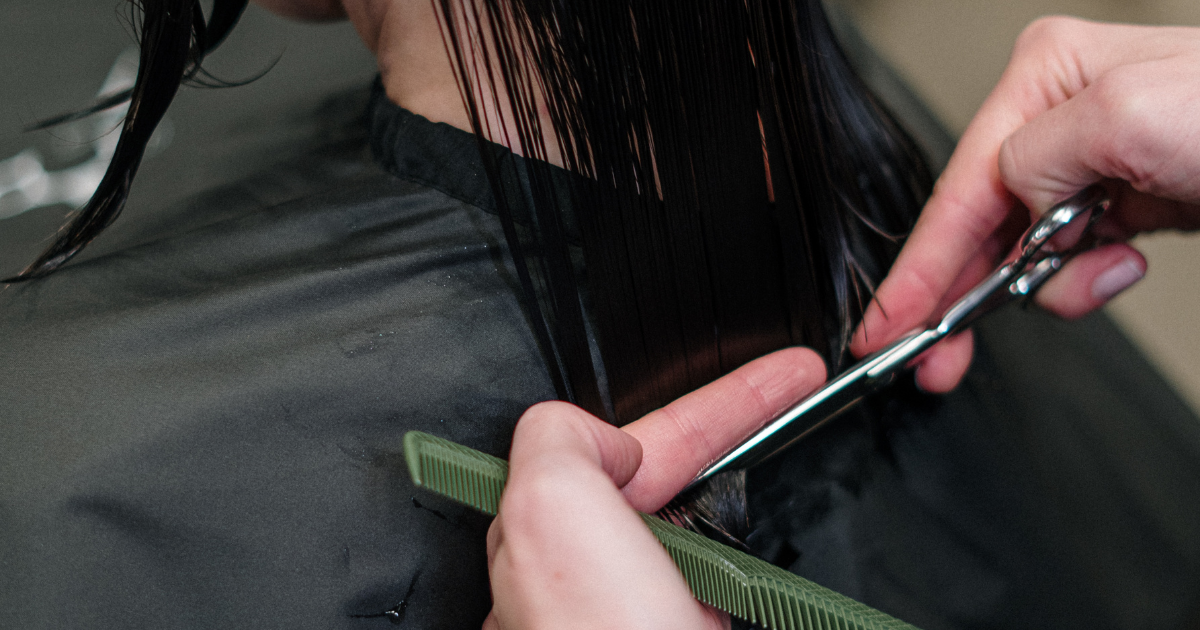
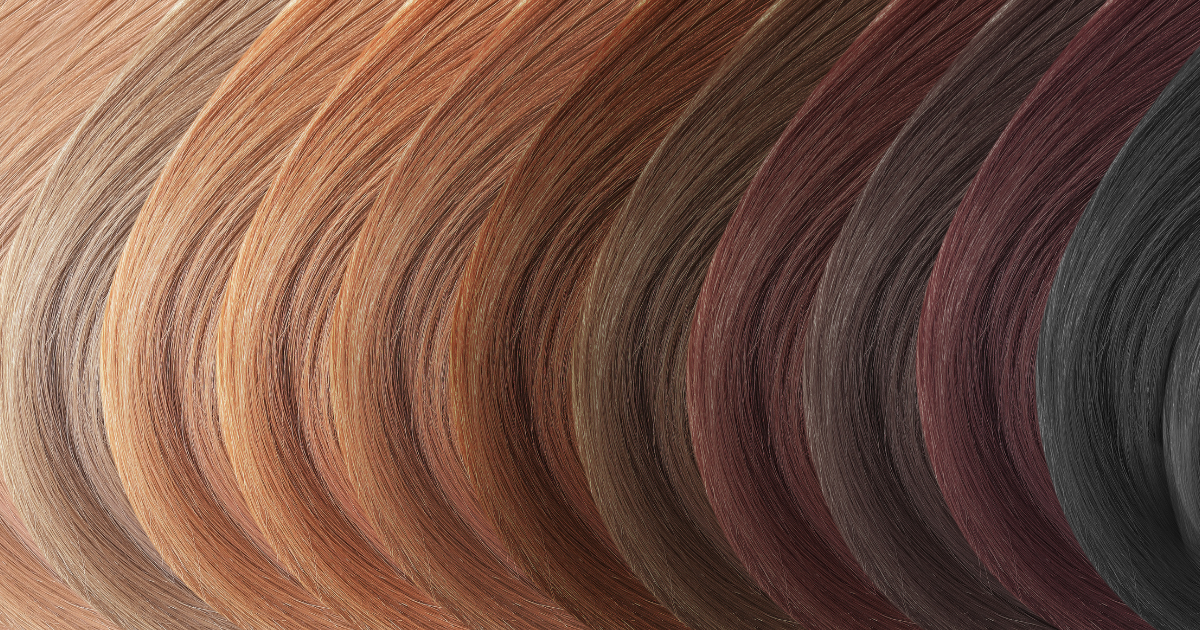
A haircut or color service is most successful when the stylist understands your hair history and daily routine. Bring a few reference images, but be prepared to discuss what you like about each one. A photograph can communicate tone, shape, or overall mood, yet the exact result will depend on your current color, texture, density, length, and condition.
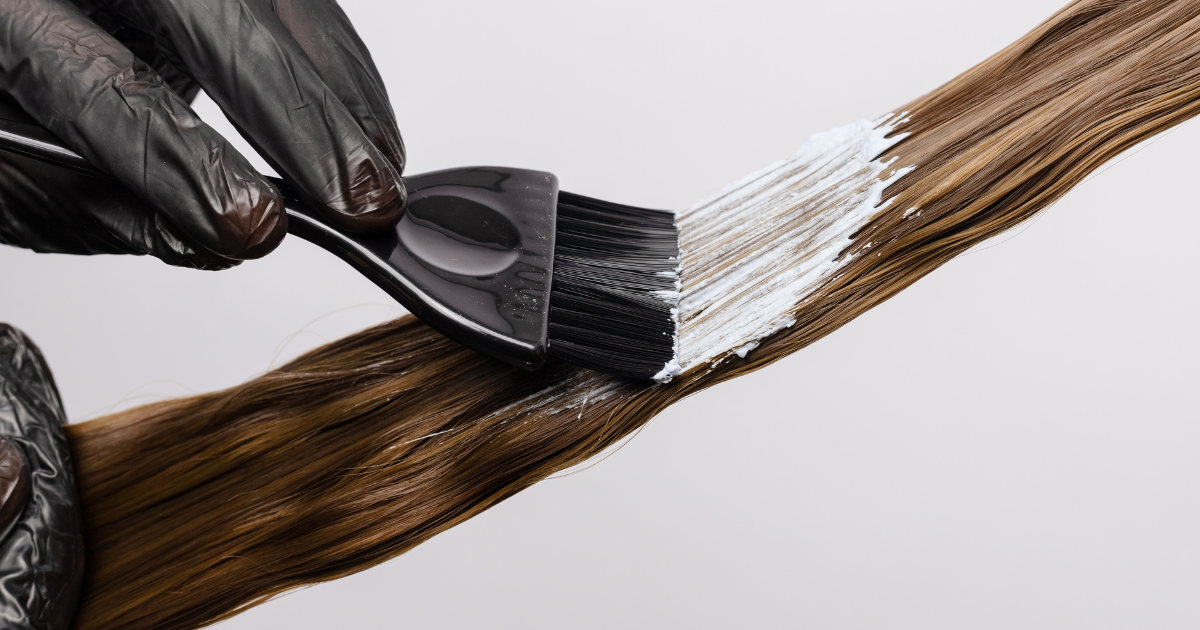
For color appointments, share an honest history of previous permanent color, lightener, smoothing treatments, and at-home products. This information helps the stylist evaluate what may be achievable in one visit.
If you are considering hair extensions, schedule a consultation before expecting an installation. Tape-in and hand-tied extensions require decisions about length, color matching, maintenance, cost, and the health of the natural hair. Extensions also need follow-up appointments and an appropriate home-care routine.
A professional recommendation may differ from your original idea, but that does not mean the goal is being dismissed. Sometimes a gradual plan is the safest way to protect the hair while moving toward the desired result.
Manicures, pedicures, lash lifts, brow laminations, tints, and waxing services may seem straightforward, but each requires trained application and proper sanitation.
The Centers for Disease Control and Prevention notes that clean, well-maintained nails are an important part of personal hygiene. Avoid picking at cuticles or damaged skin before an appointment, and tell the nail technician about tenderness, injuries, or suspected infections.
Before lash, brow, or waxing services, mention sensitivities and any products you use near the treatment area. Retinoids, exfoliating acids, and some medications may make facial skin more vulnerable to irritation during waxing.
Schedule these services early enough before an event to allow minor redness to fade. You should also follow provider instructions about moisture, makeup, heat, and cleansing after lash or brow treatments.
A spa appointment can create space for relaxation, but lasting well-being is built through everyday habits. Adequate sleep, hydration, balanced meals, movement, social connection, and appropriate medical care remain essential.
The Centers for Disease Control and Prevention explains that sufficient sleep supports mood, heart health, metabolism, attention, and memory. A beautiful blowout or relaxing massage may help you feel renewed, but it cannot compensate for consistently ignoring your basic physical needs.
Think of a self-care day as one part of a larger routine. The appointment can provide a reset, encourage reflection, and make maintenance easier. The habits you return to afterward determine how long that sense of well-being lasts.
Spa 801 Spa and Salon brings numerous beauty and wellness services together within a 5,000-square-foot location in St. Petersburg. Its confirmed offerings include haircuts, styling, custom color, balayage, conditioning treatments, keratin services, tape-in and hand-tied hair extensions, manicures, pedicures, acrylics, gel services, nail art, massage, waxing, facials, dermaplaning, microdermabrasion, facial peels, lash lifts, tints, brow lamination, and eyebrow sculpting.
Having these services available in one location can make coordinated appointments more convenient. Guests can discuss timing with the team instead of independently trying to determine whether several treatments should occur on the same day.
The most effective beauty and wellness routine is not necessarily the most elaborate one. It is the routine that fits your budget, schedule, preferences, and actual needs.
After your visit, ask each provider how often the service typically requires maintenance. Write down product recommendations and aftercare instructions rather than relying on memory. Then decide which treatments should become regular appointments and which are better reserved for occasional resets.
A well-planned self-care day should not feel like another demanding checklist. Choose services with intention, communicate openly with each professional, and leave room to enjoy the experience. When beauty care and personal well-being are approached together, a salon and spa visit can become meaningful time devoted entirely to feeling more comfortable, confident, and restored.