7 Everyday Habits That Can Protect Your Vision and Keep Your Eyes Comfortable
Choosing an experienced optometrist in Los Angeles, CA is an important first step toward protecting your vision, but the habits you practice between eye exams also influence how your eyes feel and function every day.
Modern life asks a lot from our eyes. We move from phones to laptops, work in air-conditioned rooms, drive through bright sunlight, and sometimes wear contact lenses for longer than planned. Over time, these routines can contribute to dryness, fatigue, headaches, and blurry vision.
Fortunately, supporting your eye health does not require a complicated wellness routine. A few practical changes, combined with regular professional care, can make a meaningful difference.
1. Give Your Eyes Real Breaks From Screens
Screen use does not usually cause permanent eye damage, but long periods of concentrated viewing can leave the eyes feeling tired, dry, or strained. When we focus on a screen, we may blink less frequently or incompletely. This allows the tear film covering the eye to evaporate more quickly.
Try following the 20-20-20 approach: after approximately 20 minutes of near work, look at something at least 20 feet away for 20 seconds. It is not a medical treatment, but it is an easy reminder to relax your focusing system and blink normally.
You can also make your workspace more comfortable by:
- Keeping the monitor about an arm’s length away
- Positioning the screen slightly below eye level
- Reducing glare from windows and overhead lighting
- Increasing text size instead of leaning toward the screen
- Taking longer movement breaks throughout the day
If headaches, double vision, or persistent blur continue despite these changes, schedule an eye exam rather than assuming that screen time is the only cause.
2. Pay Attention to Dry Eye Symptoms
Dry eye can feel different from person to person. Some people notice burning or a sandy sensation, while others experience redness, light sensitivity, fluctuating vision, or excessive watering. Watery eyes may sound like the opposite of dryness, but irritation can trigger reflex tears that do not adequately stabilize the eye’s surface.
The National Eye Institute explains that dry eye may occur when the eyes do not produce enough tears or when the tears do not function properly. Age, contact lens wear, certain medications, environmental conditions, and some health disorders can increase the likelihood of symptoms.
For occasional discomfort, an eye care professional may recommend appropriate lubricating drops or lifestyle changes. Persistent symptoms deserve a proper evaluation because effective treatment depends on what is disrupting the tear film. Randomly trying different redness-relief products may mask irritation without addressing its source.
Create a more eye-friendly environment
- Keep fans and air-conditioning vents from blowing directly at your face.
- Use a humidifier if indoor air is consistently dry.
- Wear wraparound sunglasses on windy days.
- Remember to blink fully during concentrated screen work.
- Ask your doctor whether your medications could contribute to dryness.
3. Treat Contact Lenses Like Medical Devices
Contact lenses are convenient, but they sit directly on the eye and require careful handling. Cutting corners with cleaning, storage, or replacement can increase the risk of irritation and infection.
The Centers for Disease Control and Prevention recommends washing and thoroughly drying your hands before touching lenses. Contact lenses should be cleaned and stored with the recommended disinfecting solution rather than water. Wearers should also avoid showering or swimming in lenses and should not sleep in them unless specifically instructed by an eye care provider.
Healthy contact lens habits include:
- Following the prescribed replacement schedule
- Using fresh solution every time lenses are stored
- Never topping off old solution in the case
- Replacing the lens case at least every three months
- Keeping backup glasses available
- Removing lenses if the eyes become painful, red, or unusually sensitive
Colored and costume lenses need professional fitting too. The U.S. Food and Drug Administration classifies decorative contacts as medical devices, even when they do not correct vision. Buying them without a prescription can expose the eyes to poorly fitting or unsafe products.
4. Wear Sunglasses for Health, Not Just Style
Sunglasses can complete an outfit, but their most important job is reducing ultraviolet exposure. UV protection matters during every season, including cloudy days when harmful radiation can still reach the eyes.
Look for sunglasses labeled as blocking 99 to 100 percent of UVA and UVB radiation. Large frames and wraparound styles can provide additional coverage by limiting light entering from the sides. A wide-brimmed hat adds another layer of protection during extended outdoor activities.
Dark lenses alone are not proof of UV protection. Without an appropriate protective filter, a dark tint may simply cause the pupils to widen while still allowing harmful radiation to enter. Purchase sunglasses from a dependable source and confirm their protective rating.
5. Do Not Ignore Gradual Vision Changes
Vision changes are often subtle. You may start increasing the font size on your phone, holding menus farther away, squinting at road signs, or avoiding nighttime driving without recognizing that your eyesight has changed.
Nearsightedness makes distant objects appear blurry, while farsightedness and age-related focusing changes can make close work more difficult. Astigmatism may affect clarity at several distances. The National Eye Institute’s guide to refractive errors explains that glasses, contact lenses, and certain surgical procedures can help the eyes focus light more effectively.
An updated prescription may improve clarity, but a comprehensive examination also looks beyond refractive error. The doctor can evaluate eye pressure, coordination, peripheral vision, and the health of the cornea, retina, and optic nerve based on the patient’s needs.
6. Make Children’s Vision Part of Their Health Routine
Children do not always know when their vision is blurry. They may assume that everyone sees the same way they do. Instead of complaining, a child might sit closer to the television, lose their place while reading, squint at distant objects, or become frustrated with visually demanding schoolwork.
Myopia commonly begins during childhood and can progress as the eyes grow. According to the National Eye Institute, nearsightedness often starts between ages six and fourteen. Children with a family history of myopia may have a greater likelihood of developing it.
School screenings are helpful but do not replace comprehensive eye examinations. A screening may identify certain distance-vision problems, while a full exam can evaluate focusing, eye teaming, prescription needs, and ocular health more thoroughly.
Parents should mention changes in school performance, headaches, eye rubbing, squinting, or unusual viewing habits during the appointment. If myopia is progressing, the optometrist can discuss available management options and determine whether specialized care may be appropriate.
7. Schedule Eye Exams Before Something Feels Wrong
One of the most common misconceptions about eye care is that an appointment is only necessary when vision becomes blurry. However, several eye diseases can develop without obvious early symptoms.
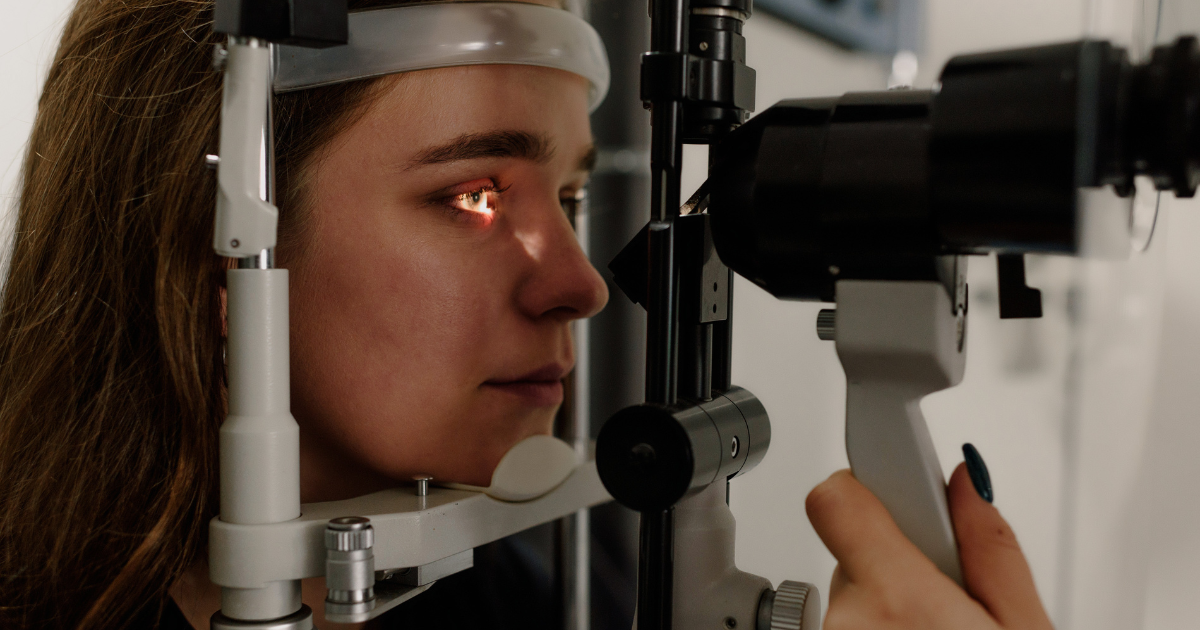
A comprehensive dilated examination allows the doctor to see more of the retina and optic nerve. The National Eye Institute notes that dilation can help detect diseases at an earlier stage, before they cause noticeable vision loss.
How often you need an exam depends on your age, health, family history, prescription, contact lens use, and previous findings. Patients with diabetes, high blood pressure, significant myopia, or a family history of glaucoma may require closer monitoring. Your eye doctor can recommend a schedule based on your individual risk rather than a one-size-fits-all timeline.
What to Bring to Your Next Eye Appointment
A little preparation can make an eye exam more useful. Bring your current glasses, sunglasses, and contact lens information. Prepare a list of medications, health conditions, prior eye injuries, and surgeries. It is also helpful to know whether close relatives have experienced glaucoma, macular degeneration, retinal detachment, or other significant eye conditions.
Write down any symptoms beforehand, especially if they come and go. Note what you are doing when they occur, how long they last, and whether they affect one eye or both. These details can help the doctor determine which tests or follow-up care may be appropriate.
Eye Geeks Doctors of Optometry serves patients from its Downtown Los Angeles office with eye exams, contact lens evaluations, dry eye care, keratoconus examinations, myopia management, urgent red-eye evaluations, LASIK co-management, personalized eyewear styling, and an on-site optical lab.
Small Choices Can Support Long-Term Vision
Healthy eyes benefit from the same principle that supports overall wellness: prevention is easier than waiting for a problem to become disruptive. Take breaks from screens, protect your eyes from ultraviolet exposure, follow safe contact lens habits, and pay attention to changes in comfort or clarity.
Most importantly, make routine eye examinations part of your health schedule. Clear vision is valuable, but a thorough evaluation can tell you much more about how your eyes are functioning. With consistent care and smarter daily habits, you can protect both visual comfort and long-term eye health.