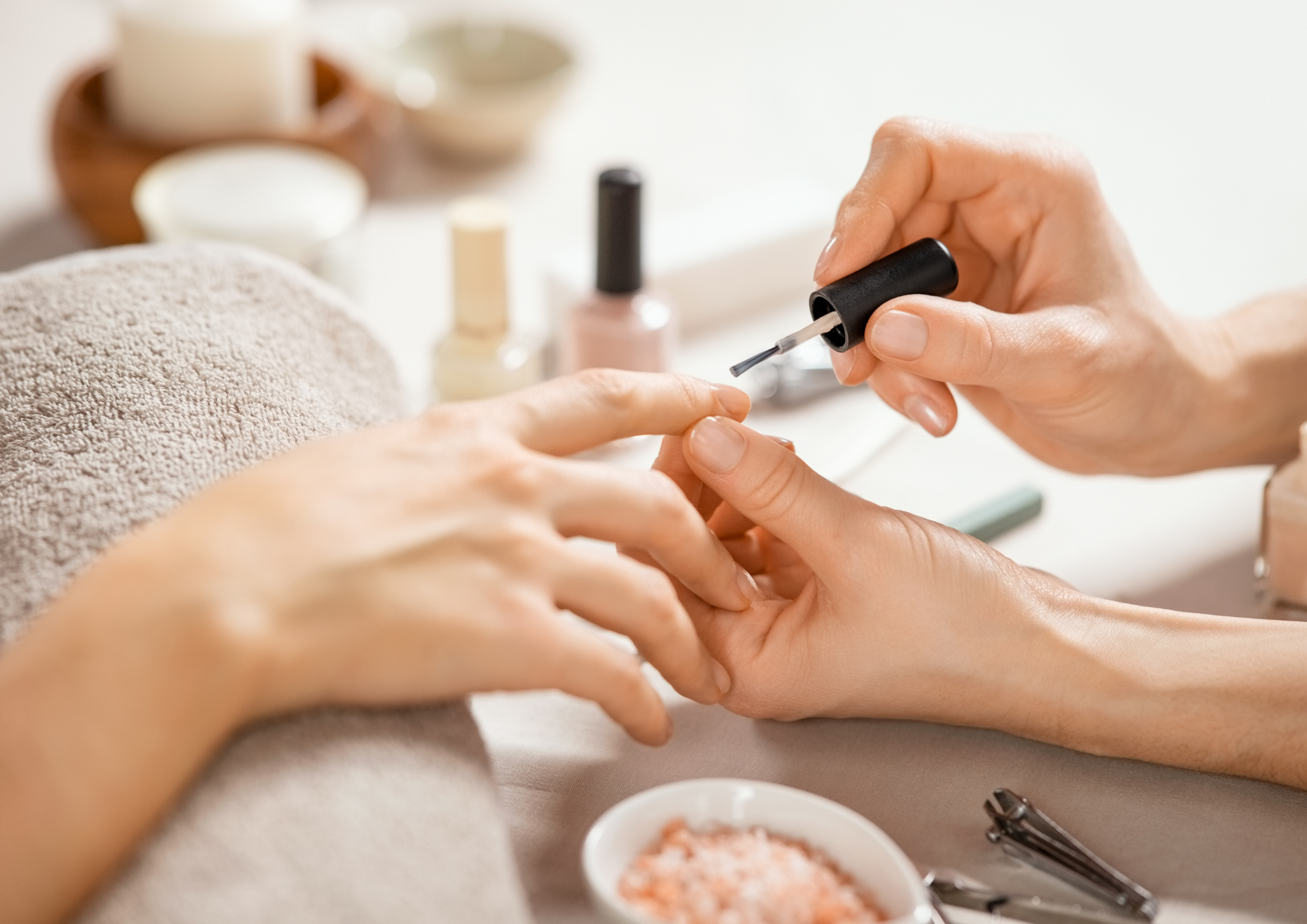
Beyond the Polish: What a Thoughtful Nail Service Should Do for You
Beyond the Polish: What a Thoughtful Nail Service Should Do for You Professional nail services should leave your hands or feet looking polished while also…

Professional nail services should leave your hands or feet looking polished while also respecting the health of your nails, cuticles, and surrounding skin.
That may sound like an obvious standard, but it changes how we evaluate a manicure or pedicure. Color selection and shine are only part of the experience. Clean tools, careful technique, appropriate products, comfortable shaping, and honest communication matter just as much.
When those details come together, nail care becomes more than a quick beauty ritual. It offers dedicated time to slow down, care for areas that work hard every day, and notice changes that might otherwise be overlooked.
Nails are made primarily of keratin, a strong protein also found in hair and the outer layer of skin. The visible nail plate grows from living tissue beneath the skin. Although polish can change its appearance, healthy-looking nails also depend on how gently that underlying structure is treated.
Frequent exposure to water, household cleaners, polish remover, dry air, and repetitive physical tasks can leave nails brittle or prone to splitting. Toenails face additional pressure from shoes, exercise, and prolonged moisture.
The Centers for Disease Control and Prevention recommends keeping nails clean and regularly trimming them. It also advises cleaning grooming tools before use and avoiding the cutting of cuticles, which serve as barriers against infection.
A good nail service works with the natural nail rather than treating it as an indestructible surface. That means shaping without excessive filing, handling the surrounding skin carefully, and choosing products based on the condition of the nails instead of applying the same routine to every guest.
A professional manicure or pedicure usually follows a deliberate sequence. Each step has a practical purpose, even when the overall experience feels effortless and relaxing.
The service should never feel rushed or unnecessarily painful. If filing, trimming, or cuticle work causes discomfort, speak up immediately. Nail care should not require enduring sharp pressure, burning, or repeated injury to achieve an attractive result.
A beautiful room and an impressive polish collection cannot compensate for weak sanitation practices. Nail tools come into close contact with skin and may occasionally encounter small cuts. Reusable implements and pedicure equipment therefore require consistent cleaning and disinfection procedures.
The American Academy of Dermatology encourages salon guests to notice whether workstations are clean, technicians wash their hands between clients, and tools are handled properly. It also recommends asking how reusable tools and pedicure foot baths are cleaned.
Useful signs of a thoughtful sanitation process include:
Sanitation also protects technicians who work around cosmetic products throughout the day. The Occupational Safety and Health Administration identifies chemical exposure, awkward working positions, and biological hazards as important considerations in nail salons. Ventilation, safe product handling, protective equipment, and well-maintained workspaces support a healthier environment for workers and guests alike.
The U.S. Environmental Protection Agency similarly highlights ventilation, appropriate gloves, product knowledge, and effective workplace procedures in its guidance for nail salons.
Cuticles may seem like excess skin, but they help seal the space between the nail plate and surrounding tissue. Aggressively cutting or pushing them back can disturb that protective barrier.
Gentle grooming can make the nail area look neat without removing living tissue. If you know your cuticles are sensitive, mention it before the service begins. You can also request minimal cuticle work.
It is equally important to avoid picking at freshly groomed skin afterward. A small hangnail is better clipped carefully with a clean tool than torn. Regular moisturizer or cuticle oil can help reduce the dryness that often leads to peeling and picking.
Premium products can enhance a service, but the label alone does not determine the result. Application technique, skin sensitivity, exposure time, removal methods, and ventilation all matter.
The U.S. Food and Drug Administration advises consumers to follow nail-product directions and pay attention to warning statements. Some people may experience irritation or allergic reactions to certain ingredients. Redness, swelling, itching, or pain following product use should not be ignored.
If you have reacted to polish, adhesives, acrylic products, removers, or fragrances in the past, tell your technician. Knowing what caused a previous reaction can help you and the salon make a more informed choice.
Gel services require their own considerations. The American Academy of Dermatology’s gel manicure guidance recommends protecting the surrounding skin from ultraviolet exposure and avoiding picking or forcefully peeling off the coating. Careful removal helps limit unnecessary damage to the nail plate.
People with sensitive skin may benefit from discussing fragrance sensitivity, allergies, eczema, previous reactions, or areas of irritation before a service. A shorter or simpler treatment may sometimes be more comfortable than a heavily layered routine.
Diabetes deserves particular attention because it may affect circulation, sensation, and wound healing. The CDC’s healthy-feet guidance for people with diabetes recommends checking the feet daily, washing and drying them carefully, trimming toenails straight across, and having the feet examined by a healthcare professional.
If you have diabetes, neuropathy, poor circulation, an active wound, or a history of foot complications, ask your medical provider whether a pedicure is appropriate for you. Inform the nail professional about any relevant limitations, and do not proceed over broken skin, sores, or signs of infection.
A salon service is cosmetic and supportive. It should not be used to diagnose or treat nail fungus, persistent pain, unexplained discoloration, or other medical conditions.
A little preparation can make the service safer and more enjoyable:
At The Grand Beauty Spa in Tampa, manicures and pedicures combine nail shaping and buffing with exfoliation, massage, polish, and skin-focused care. The spa uses Thalgo marine products and offers several service levels, including Grand, Petite, Signature, and Versailles options, along with enhancements such as French polish, paraffin, masks, polish changes, and a foot treatment peel.
This kind of menu allows guests to choose between focused grooming and a more extended spa ritual. The best selection depends on how much time you have, the condition of your hands or feet, and whether your priority is polish, skin care, relaxation, or a combination of all three.
Even the most carefully applied manicure or pedicure benefits from sensible aftercare. You do not need an elaborate routine. Consistency is more useful than collecting numerous products.
Changes such as increasing pain, warmth, swelling, drainage, separation of the nail, or persistent discoloration deserve professional medical attention. Covering a suspicious nail with opaque polish may hide the issue without addressing its cause.
Fresh color can be joyful, expressive, and confidence boosting, but beautiful nails are not defined by polish alone. Comfort, cleanliness, careful technique, and respect for the natural nail create the foundation for a satisfying service.
The next time you choose a manicure or pedicure, pay attention to the full experience. Notice how the tools are handled, how your technician responds to concerns, and how your nails and skin feel afterward. A truly restorative nail ritual should help you feel cared for from fingertips to toes, not simply decorated for the day.