Where Style Finds Balance: Hair Salon in Oregon City, OR
A thoughtful hair salon in Oregon City, OR can help turn separate appointments into a practical routine that supports personal style, manageable maintenance, and the…

A thoughtful hair salon in Oregon City, OR can help turn separate appointments into a practical routine that supports personal style, manageable maintenance, and the condition of the hair. Instead of choosing haircuts, color, extensions, and treatments independently, guests can plan these services together so each decision supports the next.
This connected approach is useful because beautiful hair is rarely the result of one product or appointment. It reflects the haircut’s structure, the condition of the strands, daily styling habits, chemical-service history, and how consistently the hair is cared for between salon visits.
Inspiration photos are a helpful starting point, but they cannot reveal everything about a style. The person in the photo may have a different texture, density, growth pattern, color history, or daily routine.
A personalized consultation brings the focus back to the guest’s own hair. The stylist can evaluate its current condition, listen to concerns, and discuss what is realistic. This conversation should include more than the desired final appearance.
Useful topics include:
A good plan respects both the visual goal and the person’s routine. If someone prefers to air-dry their hair, the haircut should not depend entirely on daily round-brush styling. If a guest wants a major color change but has fragile ends, the plan may need to be gradual.
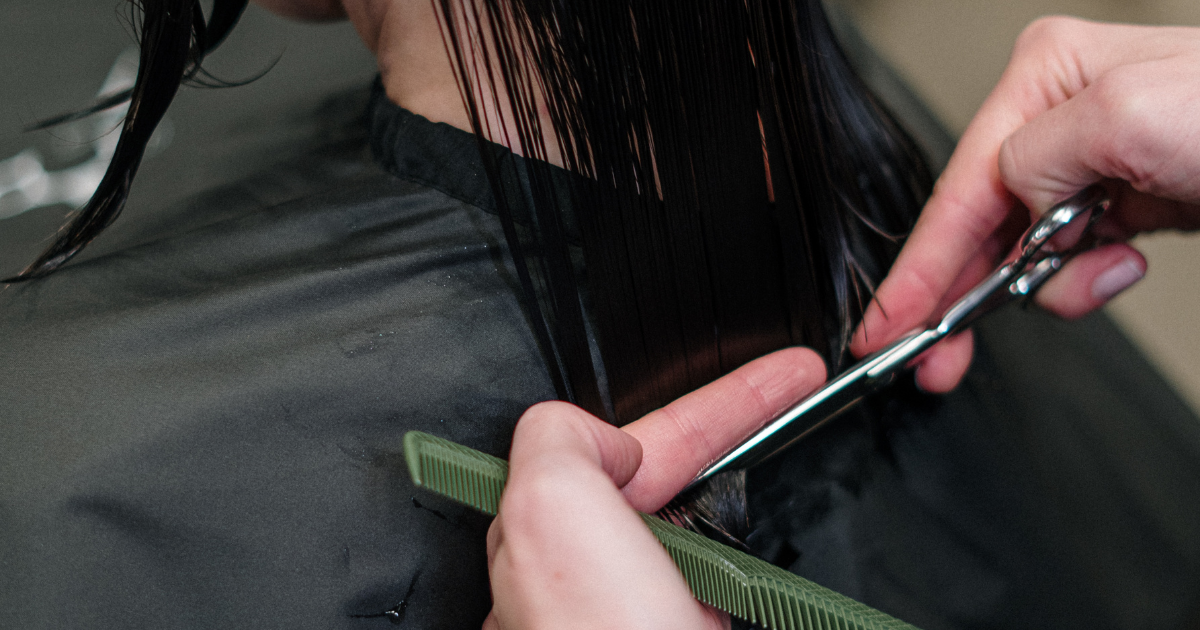
Haircuts influence how the hair moves, holds volume, and responds to styling. Length establishes the overall silhouette, while layering affects weight and movement. Face-framing pieces can soften a style, and a carefully designed perimeter may make the ends appear fuller.
The healthiest-looking haircut is not always the one that removes the most length. It is the one that addresses compromised ends while preserving a shape that works for the guest.
Maintenance expectations should be discussed before making a major change. Short, structured cuts and detailed fringes generally require more frequent shaping than longer, blended styles. Neither option is inherently better; the right choice depends on the guest’s preferences.
A haircut can also make home care easier. Removing damaged ends may reduce tangling, while a balanced shape can require less aggressive brushing or heat styling. The American Academy of Dermatology recommends gentle detangling, limited heat, and avoiding repeated pulling to help reduce hair damage.
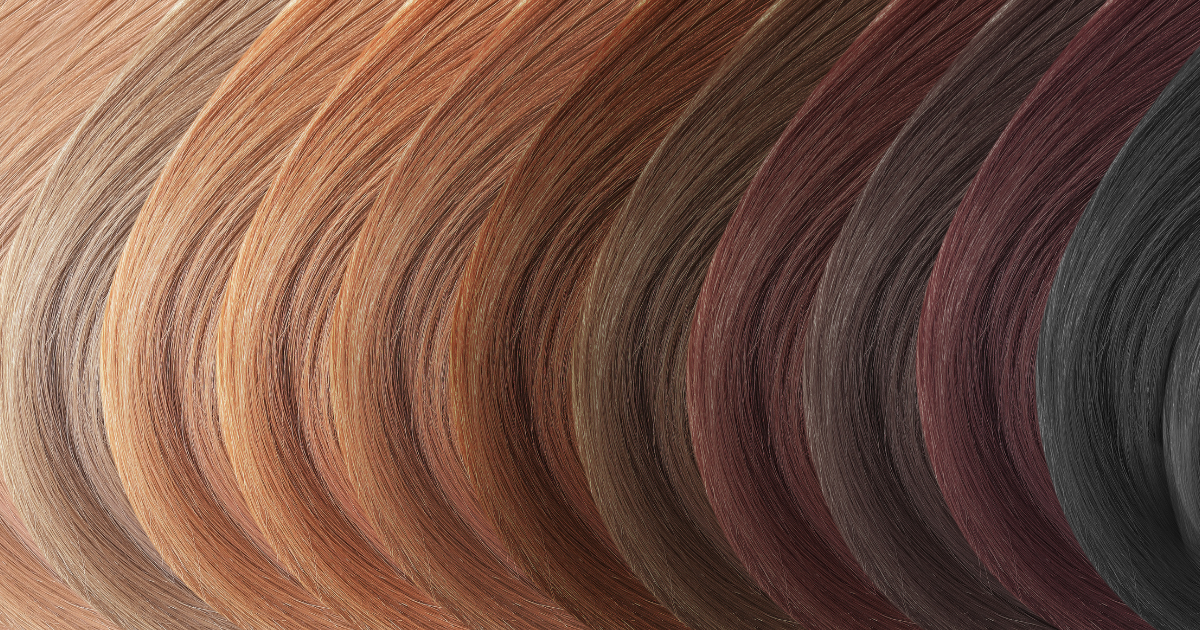
Hair color can create brightness, depth, contrast, softness, or a completely new identity. Balayage, highlights, dimensional color, root maintenance, and all-over shades each create a different effect and require different upkeep.
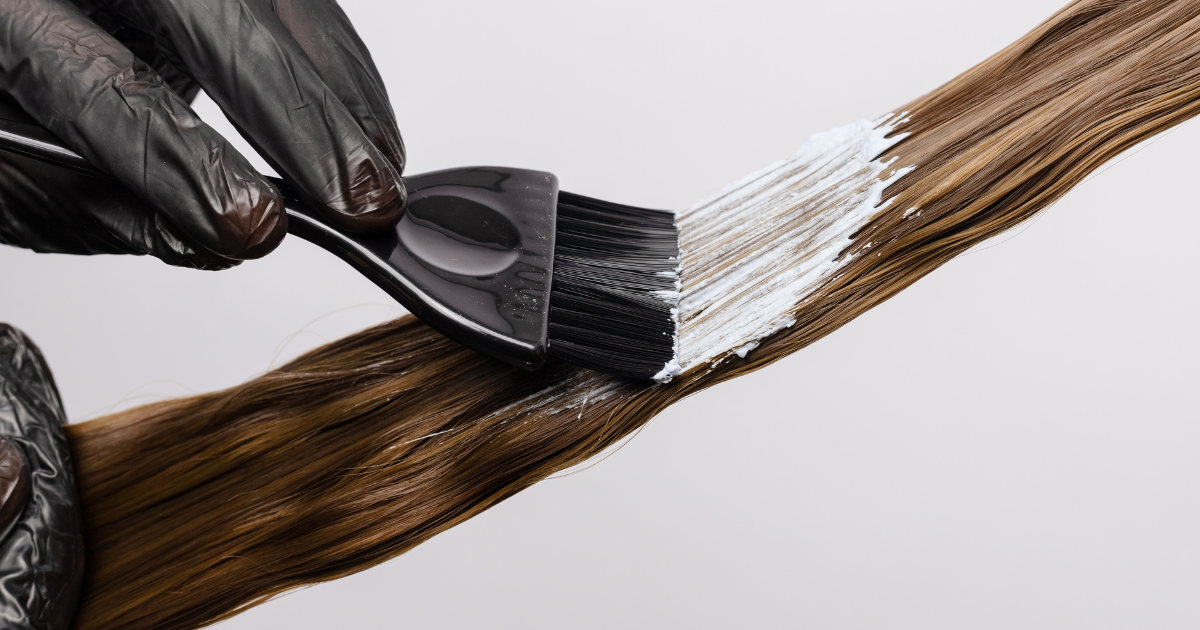
Before a color service, the stylist should consider the starting shade, previous artificial pigment, texture, porosity, and strength of the hair. Going darker or refreshing an existing tone may follow a different process from substantial lightening.
The American Academy of Dermatology’s color-care guidance explains that chemical services can leave hair dry or brittle. More dramatic lightening may require stronger processing, which makes honest evaluation especially important.
A realistic color plan may involve multiple appointments. This is not a failure to achieve the goal quickly. It can be a deliberate way to manage the transformation while monitoring how the hair responds.
Safety matters as well. The U.S. Food and Drug Administration advises following hair-dye directions, observing warning statements, and completing appropriate testing. Guests should tell their stylist about past reactions, unexplained itching, scalp sensitivity, or allergies before color is applied.
The word “treatment” can describe many different salon services, so it is useful to ask what a particular option is designed to do. One treatment may focus on moisture, while another supports smoother styling, improves manageability, or addresses the way chemically processed hair feels.
A treatment cannot permanently restore a damaged strand to its original condition. However, the right professional service and home routine may improve softness, reduce friction, and make the hair easier to manage.
The recommendation should reflect the hair’s current needs. Fine hair may become weighed down by an overly rich formula, while dry or highly textured hair may benefit from more intensive conditioning. Product quantity and application area matter as much as the product itself.
If a service involves chemical straightening or smoothing, guests should understand which products are being used. The FDA’s guidance on hair-smoothing products recommends reviewing ingredients and discussing product safety and ventilation with a trained professional.
Styling is not automatically damaging. Problems are more likely when high heat, repeated tension, rough detangling, or excessive processing become routine.
The American Academy of Dermatology recommends choosing products for the individual hair type, applying shampoo mainly to the scalp, conditioning after washing, and handling wet hair gently. These habits sound simple, but consistency can make a noticeable difference in manageability.
Heat settings deserve particular attention. Research available through the National Library of Medicine found that higher-temperature drying can damage the hair’s outer surface. Using heat protection, moderate temperatures, and controlled tool passes can reduce unnecessary exposure.
It is also helpful to rotate styles. Constantly wearing the same tight ponytail or bun places repeated stress on the same areas. Looser styles and thoughtful placement can give vulnerable sections a break.
Curly and coily hair should not be treated as straight hair with extra volume. Curl pattern, shrinkage, dryness, and the way individual sections group together all influence cutting and styling decisions.
The American Academy of Dermatology notes that curly and coily hair can be more susceptible to dryness and breakage. Its recommendations include moisture-conscious washing, conditioning throughout the hair, and detangling gently while the hair is damp.
A curly haircut should consider how the hair is normally worn. Someone who usually embraces natural texture may need a different shape from someone who regularly alternates between curls and smooth blowouts.
Product recommendations should also account for density. Rich creams may support some curl patterns but overwhelm fine waves. Trial, observation, and adjustment are often more useful than assuming one routine works for every textured guest.
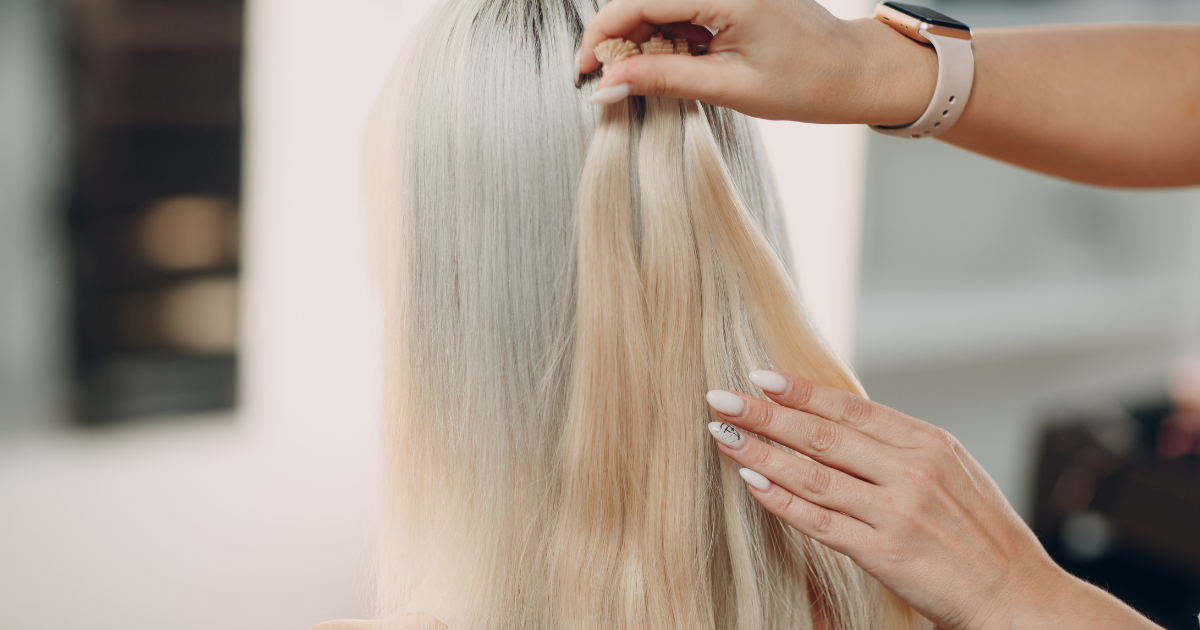
Extensions can provide length, fullness, dimension, or additional styling options. They can also become part of a healthy salon plan when the method, amount of hair, placement, and maintenance schedule are selected responsibly.
The natural hair must be able to support the installation. Persistent tightness, headaches, or pulling should not be considered normal. The American Academy of Dermatology advises having extensions installed professionally, protecting the natural hair, and asking for an adjustment if an installation feels painful.
Extensions also need to coordinate with the haircut and color. Added hair may require customized shaping so it blends through the perimeter. Using multiple shades can help reproduce the natural dimension found in professionally colored hair.
Before installation, guests should understand how to brush, wash, dry, and style their extensions, along with when professional maintenance is needed.
The most impressive product routine is useless if it is too complicated to maintain. A stylist can help narrow the options to a few products with clearly defined purposes.
A practical routine might include:
Guests should ask how much product to use and where to apply it. Concentrating shampoo on the scalp and conditioner through the areas that need moisture may work better than applying every product from roots to ends.
Happy Healthy Tribe’s guide to building a salon routine for healthy, beautiful hair offers a useful reminder: professional services and home care produce the best experience when they are planned as parts of the same routine.
Stylists can recognize visible changes and recommend gentle hair-care practices, but they do not diagnose medical conditions. Sudden hair loss, persistent scalp pain, bleeding, sores, severe itching, or unexplained bald patches should be evaluated by a qualified healthcare professional.
A salon treatment or new shampoo should not be presented as a cure for a medical condition. When a concern extends beyond cosmetic care, an appropriate referral protects the guest and keeps expectations realistic.
Ensemble Salon serves Oregon City with personalized haircuts and styling, color services, Bellami hair extensions, perms, conditioning and smoothing treatments, facial waxing, and professional product guidance. Its team begins appointments with consultations designed to consider each guest’s lifestyle, preferences, and goals.
A sustainable salon routine does not need to remain identical throughout the year. Hair length changes, color priorities shift, and seasonal weather can affect moisture and styling. Regular conversations with a stylist make it possible to adjust the plan instead of repeatedly starting over.
Healthy-looking hair is not about achieving perfection every day. It comes from choosing services thoughtfully, reducing avoidable stress, and following a routine that feels realistic. When professional care and daily habits work together, beauty becomes easier to maintain—and far more enjoyable.