The Quiet Details That Make Hair Extensions Feel Luxurious
The Quiet Details That Make Hair Extensions Feel Luxurious luxury hair extensions should be measured by how thoughtfully they fit the wearer, not simply by…

luxury hair extensions should be measured by how thoughtfully they fit the wearer, not simply by how much length or volume they add.
The most convincing result may use less hair than expected. It should move naturally, remain discreet, and respect the density and condition of the supporting hair. Maintenance should also fit the guest’s schedule, budget, and tolerance for daily care.
This quieter definition of luxury replaces excess with precision. It values comfort, restraint, and a plan that continues to work after the first salon finish has been washed away.
Rather than asking for the longest or fullest result, identify the specific change you want to notice. Is the goal a denser perimeter, support around the sides, a longer shape, fuller ends, or enough volume to hold a particular style?
Clear goals reveal where added hair will create the greatest effect and can prevent unnecessary weight. A few strategic sections may solve a density concern better than a large installation.
Bring photos, but explain what you like about each one. Useful observations include:
These details give the consultation a defined outcome while leaving room to adapt the idea to the guest’s natural hair.
Natural hair must support the extension hair attached to it. Density, strand thickness, breakage, chemical history, and weak areas around the hairline all influence how much weight is reasonable and where it can be placed.
The American Academy of Dermatology’s extension-care guidance warns that pulling can break strands and, over time, damage follicles. It recommends beginning with natural hair in good condition, using professional installation, protecting delicate edges, and speaking up when a style causes pain or a headache.
A responsible plan does not promise that extensions can never cause damage. It limits avoidable stress and creates clear instructions for reporting discomfort. Active shedding, unexplained thinning, or scalp inflammation may require medical guidance before adding weight.
Some awareness of new attachment points can occur, but sharp pain, persistent soreness, stinging, or a tight headache should not be normalized.
A clinical review of traction alopecia indexed by the National Library of Medicine explains that both the force and duration of pulling influence risk. Continued traction can eventually lead to permanent scarring hair loss.
Contact the salon promptly if you notice:
Early correction is usually simpler than waiting until a small issue affects surrounding hair.
High-quality extension hair is only the raw material. The finished result also depends on shade selection, placement, cutting, and styling.
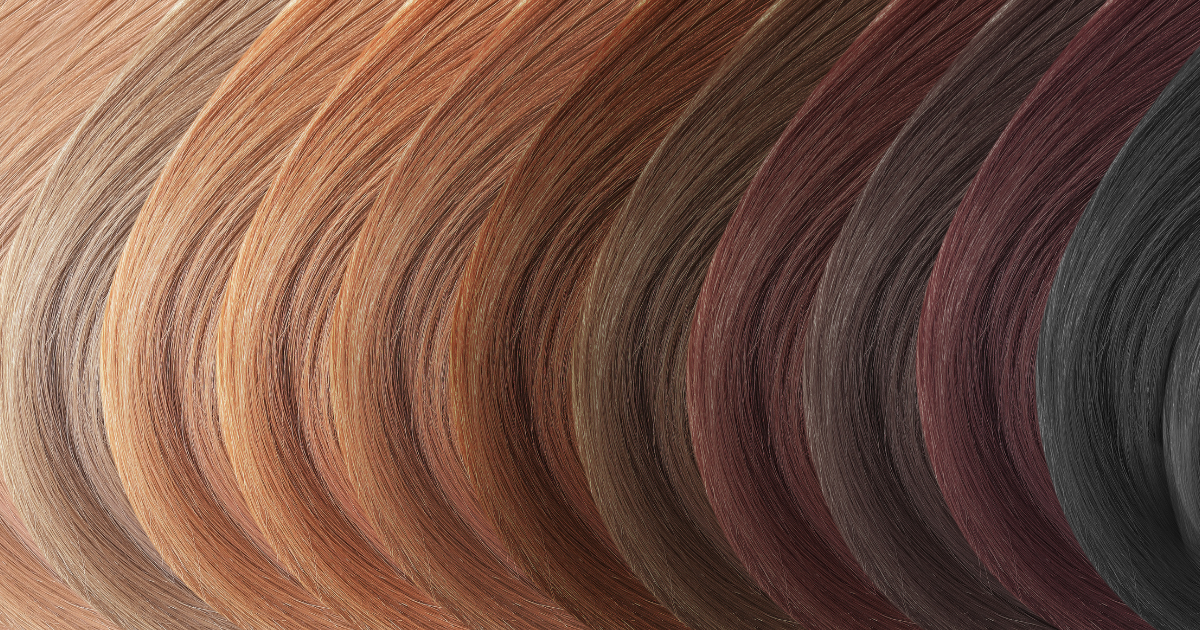
Natural hair rarely has one uniform color. Roots may be deeper, mid-lengths may contain several tones, and ends may be lighter. Matching one swatch can produce an obvious division between natural and added hair.
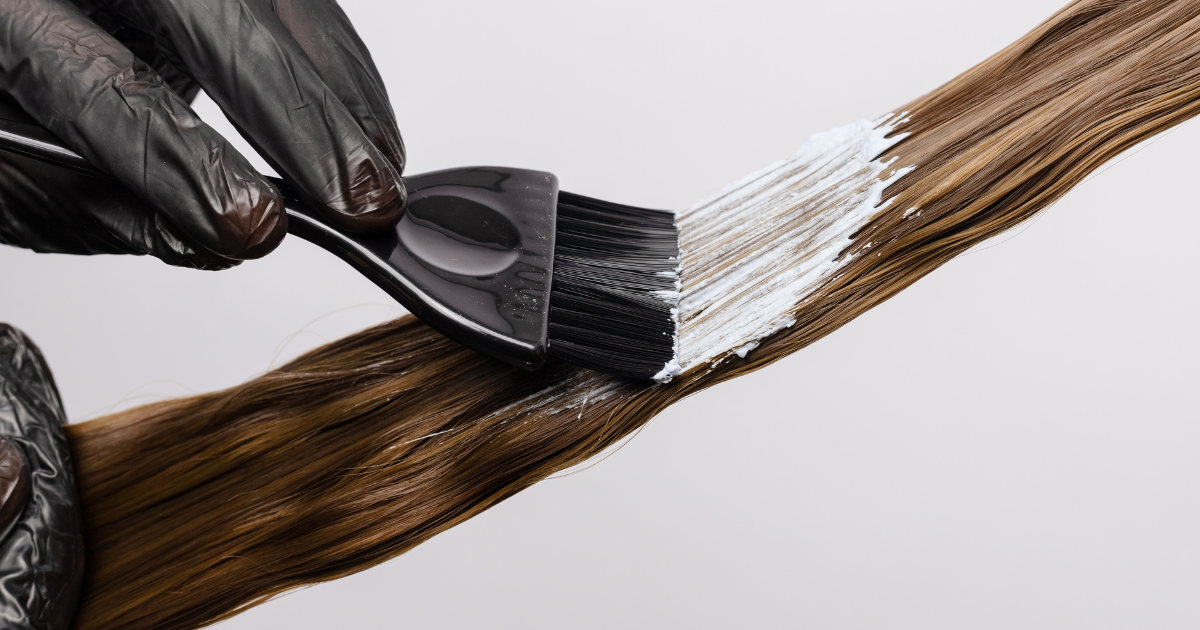
A dimensional blend may use several extension shades. The stylist should consider daylight, the natural hair’s color schedule, and whether future color services can proceed without disrupting attachments.
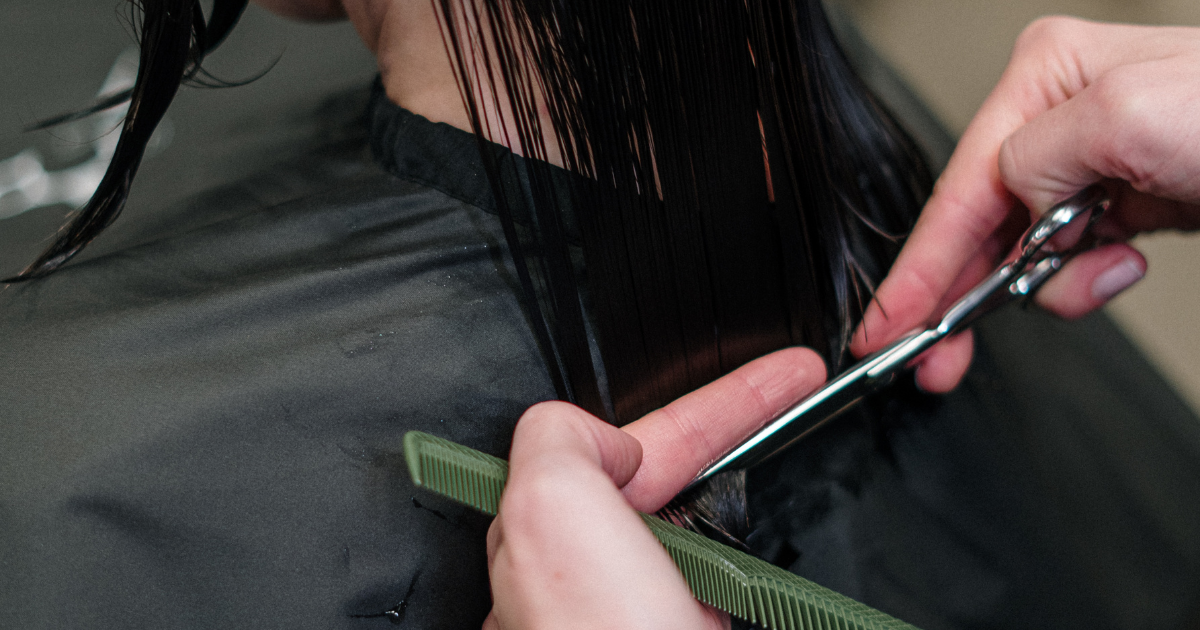
Even closely matched hair can look separate when the perimeter and layers do not connect. A blending haircut removes visual steps and creates movement, helping the extension hair read as one design with the natural hair.
Extension placement should be tested against the hairstyles a guest actually wears. Someone who works out daily may need a comfortable ponytail. A healthcare worker may routinely secure the hair away from the face. A frequent traveler may prioritize easy brushing and simple drying.
During the consultation, discuss:
An installation that looks beautiful only when the hair is down and professionally styled is not fully customized for someone who wears it up most days.
Remy human hair is generally valued because the cuticles are kept aligned in the same direction, which can support a smoother feel and reduce tangling when the hair is properly processed and maintained. However, the label alone does not determine color accuracy, density, placement, or longevity.
Ask what is included, how the hair should be washed, which products should avoid attachment areas, and what may shorten its usable life. Luxury becomes meaningful when the material, installation, and home routine work together.
Attachment points can make washing feel unfamiliar, but the scalp still needs appropriate cleansing. Sweat, oil, and product buildup do not disappear beneath extensions. At the same time, rough scrubbing and aggressive detangling can strain natural strands.
The American Academy of Dermatology’s healthy-hair recommendations encourage cleansing according to hair type, concentrating shampoo on the scalp, using conditioner after washing, handling wet hair gently, and limiting excessive heat.
An extension-specific routine may include:
The stylist’s instructions should take priority because care requirements vary by installation and product.
Natural growth gradually moves attachment points away from the scalp. This changes concealment, weight distribution, and the risk of tangling near the roots. Waiting until the hair becomes difficult to manage can make removal more complicated.
Before proceeding, ask how frequently the selected method must be removed, moved, cleaned, or replaced. Include that cycle in the total budget along with extension hair, installation, blending, products, color coordination, and home styling.
Removal should also be performed according to the method. Pulling, peeling, cutting, or dissolving attachments without proper technique can damage the natural hair.
Itching or redness may come from tension, buildup, or sensitivity to a product. The U.S. Food and Drug Administration’s information on cosmetic allergens notes that fragrances, preservatives, dyes, natural rubber, and metals can cause reactions in some people.
Tell the stylist about known sensitivities before installation. If irritation persists, spreads, or includes swelling or breathing symptoms, stop using the suspected product and seek appropriate medical care.
A salon professional can evaluate cosmetic suitability, but a stylist does not diagnose unexplained hair loss or scalp disease. MedlinePlus guidance from the National Library of Medicine recommends medical evaluation for rapid or unusual hair loss, pain or itching with shedding, or scalp skin that becomes red, scaly, or otherwise abnormal.
Adding hair over an unresolved concern may conceal changes and place more stress on vulnerable areas. Addressing the underlying issue first supports better decisions later.
Combs, clips, brushes, sectioning tools, and other equipment come into repeated contact with hair and scalp. The Georgia State Board of Cosmetology and Barbers provides the state rules governing licensed professionals and facilities, including sanitation requirements.
Clean tools, an orderly station, and clear handling practices are not bonus touches. They are basic parts of professional service.
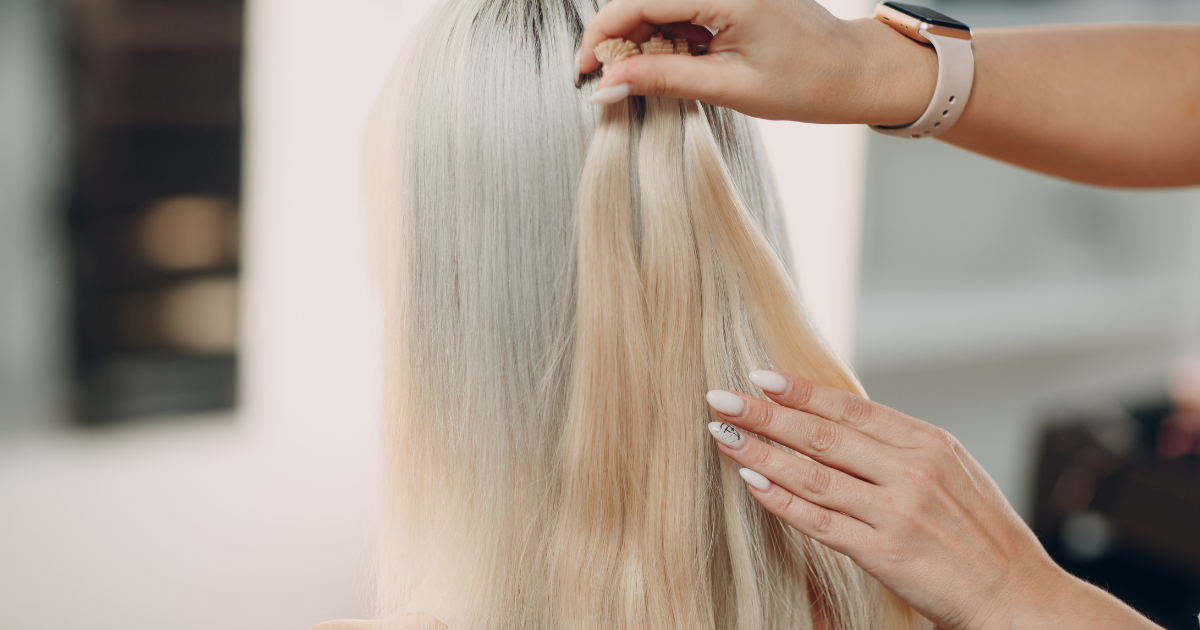
Level 7 lists Hairtalk® tape-in extensions made with 100% Remy human hair at its Atlanta salon. Its published service information requires a consultation to determine the right solution and includes a haircut to blend the extensions with the natural hair.
The salon also states that extension services require at least two hours and identifies a four-to-six-week removal or maintenance window. These details give guests useful planning information before they commit to the installation.
The best extension plan does not overwhelm the natural hair or the person caring for it. It uses enough hair to achieve a defined goal, places it with daily life in mind, and provides a realistic route through washing, styling, maintenance, and removal.
Ask why the proposed amount, placement, and schedule suit you. When every choice has a reason, the result can feel polished without feeling excessive. That is a more durable form of luxury.