Hair Rhythm: Hair Salon in Camp Hill, PA
A hair salon in Camp Hill, PA can help you create a sustainable beauty routine built around your hair goals, natural texture, daily habits, and…

A hair salon in Camp Hill, PA can help you create a sustainable beauty routine built around your hair goals, natural texture, daily habits, and preferred level of maintenance.
Healthy-looking hair rarely comes from one dramatic appointment. It is usually the result of a rhythm: thoughtful salon visits, consistent home care, realistic styling habits, and services chosen for a clear purpose.
Your ideal rhythm will not necessarily match someone else’s. A person maintaining vivid color has different needs from someone growing out a short haircut. Extensions require a different routine from natural hair, while a smooth blowout calls for different care than curls worn in their natural pattern.
The goal is not to create a complicated schedule. It is to make each salon visit and home-care step work together.
Inspiration photos are helpful, but they do not show the complete story. They rarely reveal the person’s natural texture, previous chemical services, styling time, lighting conditions, or maintenance schedule.
Before choosing a service, take an honest look at your current starting point. Consider:
This information gives a stylist useful context. It can help determine whether the next step should be a haircut, color appointment, conditioning service, extension consultation, or simply a more manageable styling plan.
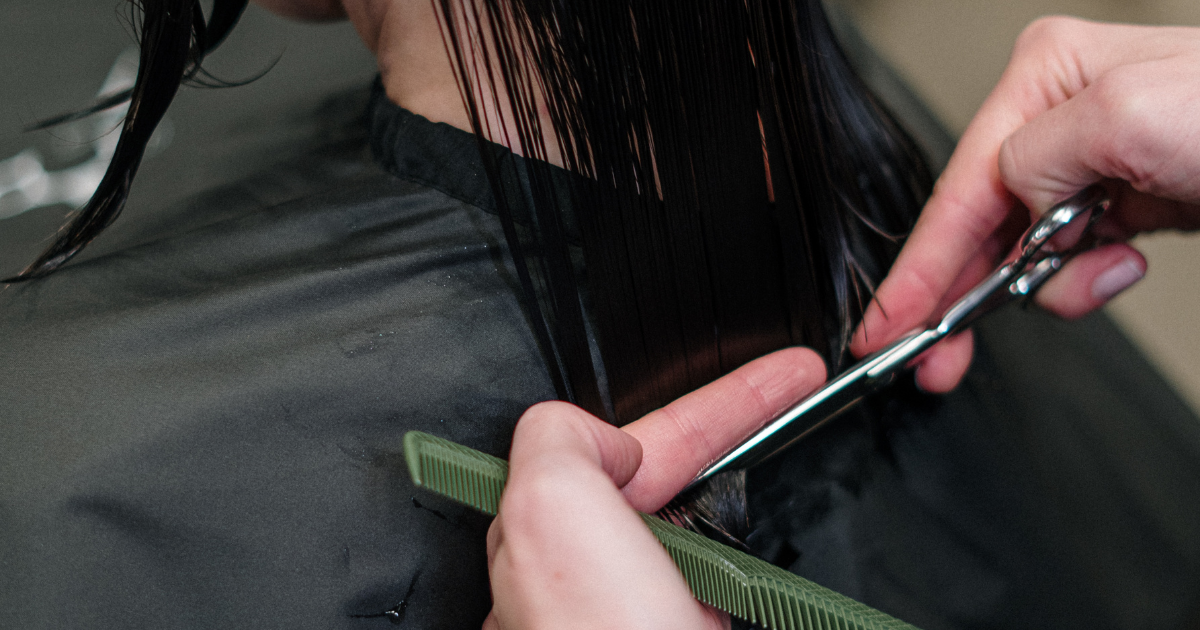
A good haircut should support your everyday routine. Its shape influences how the hair moves, how easily it styles, and how gracefully it grows between appointments.
Short, structured cuts often need regular shaping to preserve their intended silhouette. Longer styles may allow more flexibility, but the ends can still become difficult to manage. Bangs and detailed face-framing pieces may also need attention sooner than the rest of the haircut.
Instead of following a universal schedule, ask your stylist what signs indicate that your cut is losing its shape. Common clues include:
A customized schedule helps you maintain the design without booking appointments that do not serve a real purpose.
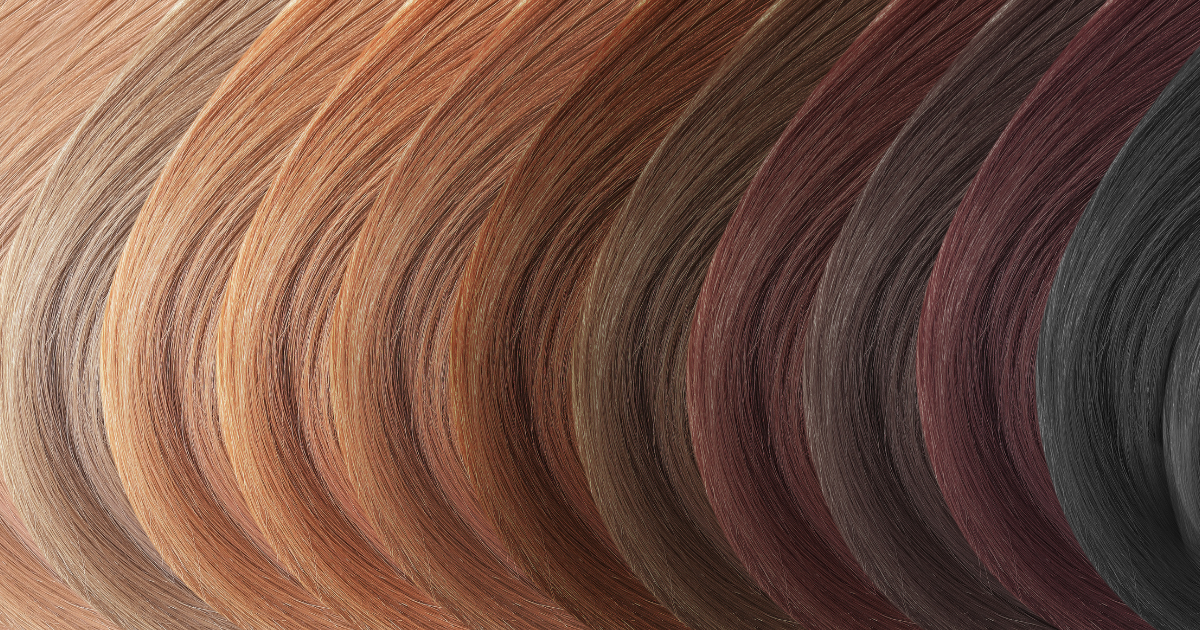
Hair color should fit both your aesthetic and your lifestyle. A high-contrast transformation may require more frequent appointments, while blended highlights or balayage can sometimes create a softer transition as the natural hair grows.
Before committing, ask how the selected color is expected to evolve. Will visible regrowth be part of the look? Will the tone gradually fade warmer or softer? Does the plan include glossing or toning between larger appointments?
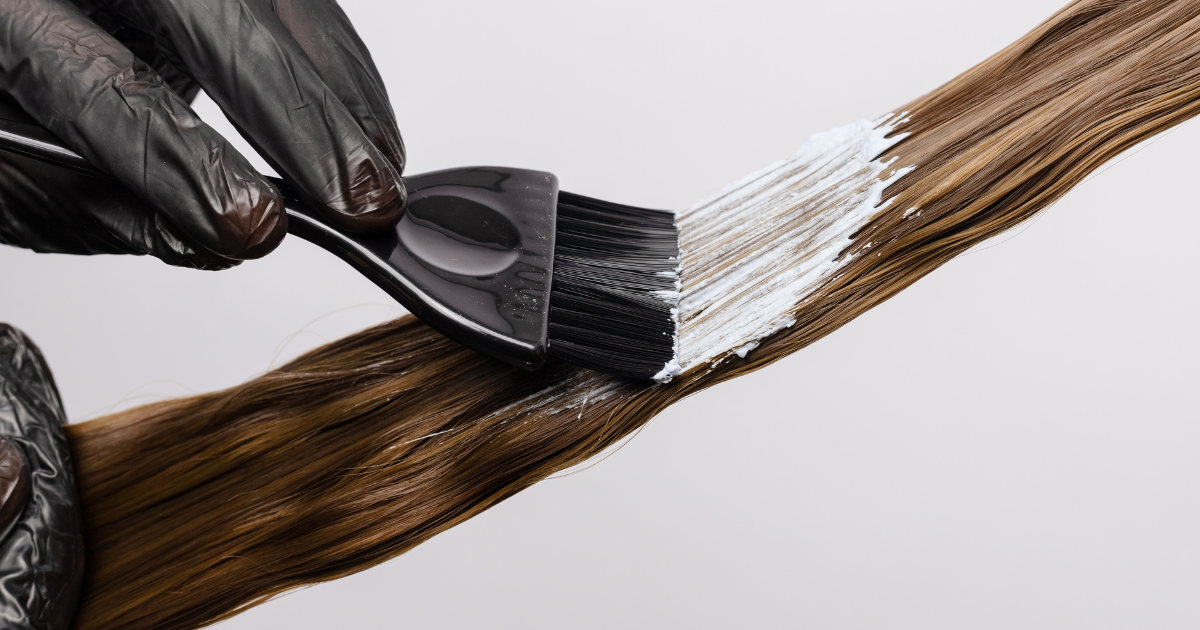
Color history also matters. Tell your stylist about previous permanent color, lightener, corrective services, and at-home formulas. Products applied months or years earlier may still affect what can be achieved safely.
The American Academy of Dermatology’s guidance for colored hair notes that significantly lightening the natural shade can cause more damage because stronger peroxide may be required. This is one reason major transformations sometimes benefit from a gradual plan.
The U.S. Food and Drug Administration’s hair-product resources also provide safety information for consumers and salon professionals regarding dyes, straighteners, and smoothing products. Always disclose previous reactions or scalp sensitivity before receiving a chemical service.
Blowouts, flat irons, curling tools, and heated brushes can create beautiful finishes, but frequent high-temperature styling can contribute to dryness and breakage. A sustainable routine uses heat deliberately rather than automatically.
Ask your stylist to show you the simplest way to recreate your look. You may not need several tools or a lengthy process. The right haircut, a suitable product, and one controlled styling technique may be enough.
The AAD’s recommendations for styling without damage encourage people to limit excessive heat, use lower settings, and handle wet hair carefully. The organization also points out that brushing recommendations can differ for straight hair and tightly curled or textured hair.
Consider including occasional low-heat or heat-free days in your routine. A loose style, natural texture, or simple air-dried finish can reduce repeated exposure while giving you more flexibility.
There is no single washing schedule that suits everyone. Scalp oil production, hair texture, exercise, styling products, extensions, and environmental conditions all affect how frequently cleansing may be needed.
The American Academy of Dermatology’s healthy-hair tips recommend washing according to how oily or dirty the hair becomes. The same guidance suggests concentrating shampoo on the scalp and using conditioner according to the hair’s texture and needs.
Pay attention to how your scalp and lengths respond. Washing too infrequently may allow uncomfortable buildup for some people, while aggressive cleansing can leave others feeling dry. Product recommendations should account for both the scalp and the condition of the hair.
Research on scalp health and hair retention also highlights the relationship between the scalp environment and hair quality. Persistent itching, sores, scaling, sudden shedding, or patchy hair loss should be evaluated by a qualified medical professional rather than treated only as a cosmetic issue.
A treatment should address a defined need. Moisture-focused care, smoothing services, strengthening products, and keratin treatments are not interchangeable. The option that makes one person’s hair feel polished may be too heavy or inappropriate for someone else.
Before selecting a treatment, ask what it is intended to do, how long the result typically lasts, and what home care is recommended afterward. It is also important to understand whether a service is a temporary conditioning treatment or a chemical smoothing process.
A scientific overview of hair cosmetics and the hair shaft explains how cleansing, conditioning, coloring, and straightening products affect hair in different ways. This helps illustrate why treatment selection should be based on texture, condition, and service history rather than a popular label.
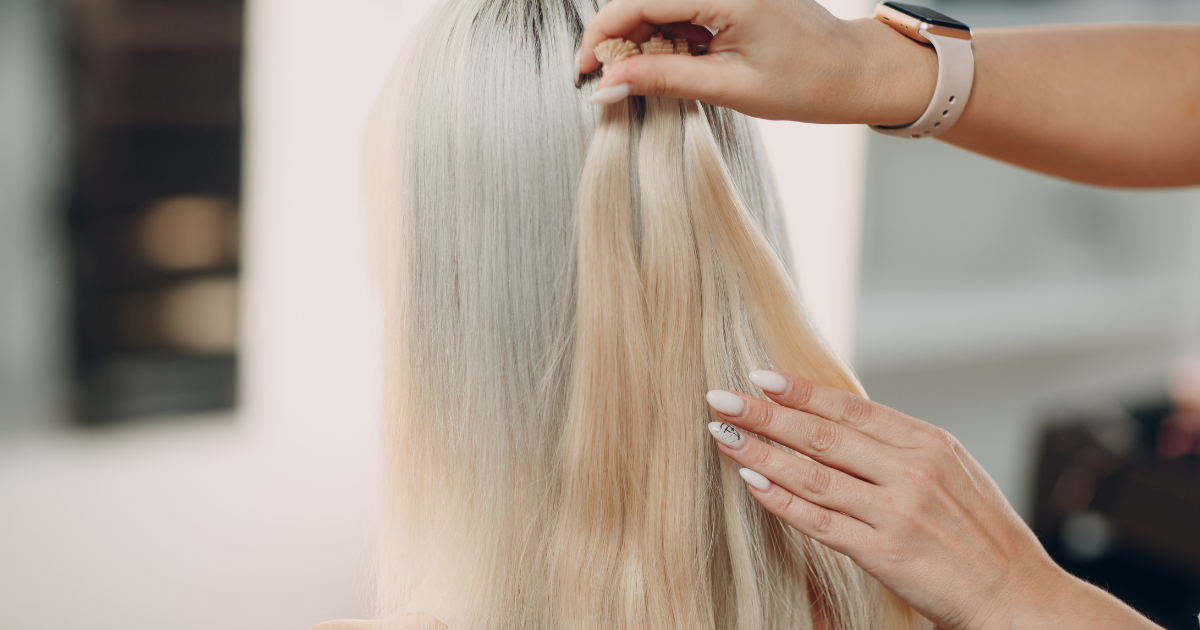
Extensions can provide length, fullness, or styling versatility, but they introduce their own maintenance rhythm. Placement, color matching, natural density, and home care should all be discussed during the consultation.
Clients should understand how to cleanse around the attachment areas, detangle the hair, protect it while sleeping, and schedule maintenance. Discomfort should not be treated as an unavoidable part of wearing extensions.
The AAD’s guidance on preventing damage from weaves and extensions recommends working with a professional, keeping the natural hair clean and conditioned, and addressing styles that feel painful or excessively tight. Repeated tension can contribute to breakage and hair loss.
If extensions cause ongoing pain, headaches, sores, or noticeable thinning, contact the stylist promptly. A healthy beauty routine should not depend on ignoring warning signs.
A complete salon routine does not always require a major transformation. A bang trim, blowout, specialty style, or facial waxing appointment can provide a polished refresh between larger services.
Eyebrow, lip, and chin waxing can be included as practical finishing touches when offered by the salon. Before waxing, mention recent skin treatments, prescription products, irritation, or unusual sensitivity. Hair removal should be postponed when the skin is compromised or when a medical professional has advised against it.
These smaller services work best when they are part of an intentional plan rather than added without considering timing, sensitivity, or the rest of the beauty routine.
Beauty services are not medical or mental-health treatments, but personal care can still create a meaningful pause in a busy schedule. Sitting down, stepping away from daily responsibilities, and receiving focused attention may help the appointment feel restorative.
A welcoming salon experience also makes honest communication easier. Clients should feel comfortable discussing uncertainty, asking questions, and setting boundaries. If you prefer quiet time, need help choosing a style, or want clear explanations throughout the service, say so.
For additional ideas on maintaining results outside the salon, Happy Healthy Tribe’s article about building a smarter hair-wellness routine between appointments offers a useful companion guide.
Elements Hairology provides haircuts, styling, color, highlights, balayage, hair extensions, keratin services, and facial waxing in Camp Hill. The salon also offers a virtual consultation and stylist-matching process to help new guests identify suitable services before their visit.
Your healthiest routine does not need to be perfect. It needs to be realistic enough to follow. Choose services that support your goals, ask how to maintain them, protect the hair from unnecessary stress, and adjust the plan when your lifestyle or hair condition changes.
Once your salon appointments and home habits begin working together, hair care feels less like a cycle of emergency fixes and more like a steady rhythm—one designed specifically for you.