The Quiet Details That Make Hair Extensions Feel Luxurious
The Quiet Details That Make Hair Extensions Feel Luxurious luxury hair extensions should be measured by how thoughtfully they fit the wearer, not simply by…

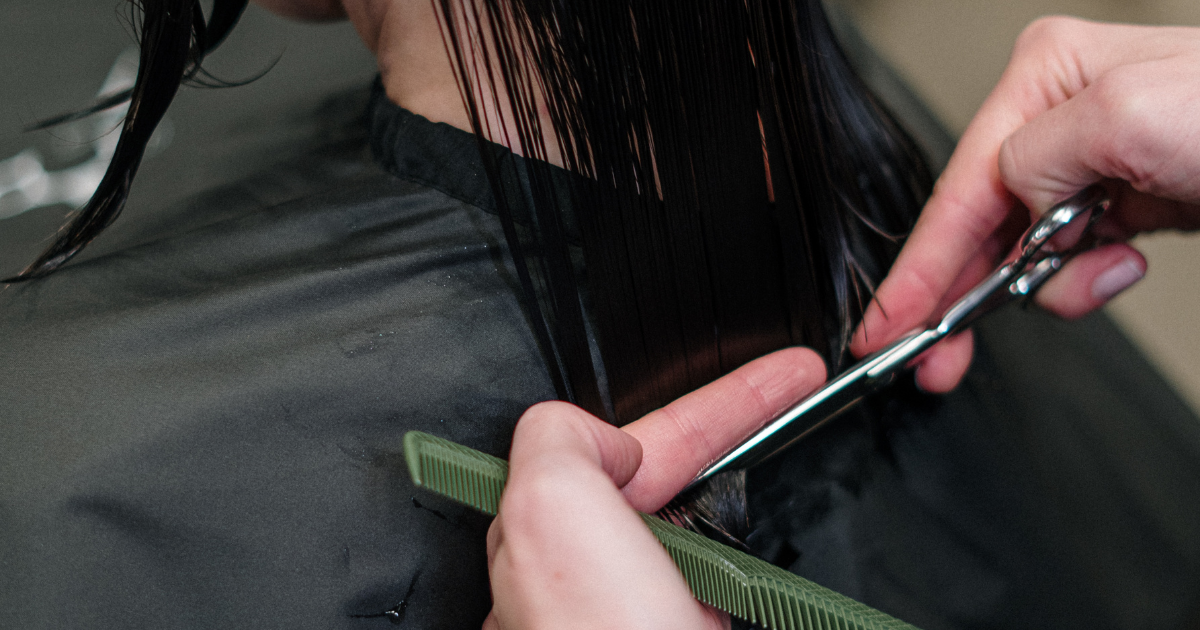
Customized salon styling works best when the haircut is designed for the hair a person has, the routine they can maintain, and the way they genuinely want to feel each day.
Inspiration photos show a finished moment, not the model’s natural texture, density, cowlicks, styling time, or product routine. A successful salon visit translates the idea into a shape that still makes sense after the first wash.
That translation is where personalization becomes practical. The goal is not to find one universally flattering haircut. It is to understand how the guest’s hair behaves and build a style that makes everyday care more manageable.
Trends can offer direction, but “What is popular?” is less useful than “What will I do with this cut on a normal Tuesday?” A haircut that requires a round brush, multiple hot tools, and several finishing products will not feel effortless to someone who prefers to air-dry and leave home quickly.
Before sitting in the chair, consider five details:
These details define the cut’s practical requirements. A swimmer may prioritize quick detangling. Someone who frequently wears the hair up may need enough perimeter length to support that habit. A guest who dislikes product should say so before agreeing to a shape that depends on it.
Texture matters, but it does not tell the entire story. Two people with a similar curl pattern can have different strand thickness, density, shrinkage, dryness, and growth patterns.
A thoughtful consultation considers:
These variables influence weight removal, layer placement, the perimeter, and whether a fringe will cooperate with the guest’s normal styling method. They also affect the time needed to cut, dry, refine, and teach the look.
A maintenance trim on fine-to-medium hair and a major change on long, dense hair are not the same service with different price tags. They require different amounts of consultation, sectioning, drying, and detail work.
Zandi K’s current cut-and-style menu reflects this distinction. Its standard 45-minute service is intended for fine-to-medium hair and guests maintaining an existing look without a major change. The extended 60-minute service is designed for longer or thicker hair, all listed texture families including coily hair, and guests planning a significant transformation. The salon also offers an additional 30-minute option when more time is needed for length, density, texture, or deeper planning.
Choosing enough time creates room for careful decisions and reduces pressure to rush the drying or finishing stage, when the stylist sees how the completed cut behaves.
A haircut cannot repair a damaged strand, but it can remove compromised ends and make gentler care easier. The shape should account for breakage, chemical history, heat use, and any areas that feel noticeably weaker.
The American Academy of Dermatology’s healthy-hair guidance recommends choosing care practices for the individual hair type, applying shampoo mainly to the scalp, conditioning after washing, handling wet hair gently, and limiting excessive heat.
That guidance can inform salon decisions. If the desired style requires daily high heat on already fragile ends, a lower-maintenance variation may be kinder to the hair. If the guest prefers air-drying, the stylist should evaluate the natural pattern before relying on a smooth blowout to judge the final shape.
A polished salon finish is enjoyable, but it should also function as a lesson. Ask the stylist to explain which steps are essential and which are optional. A useful demonstration may cover where to begin drying, how to direct a fringe, how much product to use, and how to refresh the shape on the second day.
The American Academy of Dermatology’s advice on styling without damage encourages partial air-drying, lower or medium heat, less aggressive brushing, and reduced use of rigid hold products that can contribute to breakage when combed.
A practical home plan should be short enough to remember:
Traditional beauty advice assigns certain haircuts to each face shape. That can be a starting point, but it should not override personal identity, hair behavior, or the features a guest wants to emphasize.
Instead of asking which haircut “hides” a feature, discuss balance and movement. Should the shape feel soft, graphic, airy, structured, or full? Does the guest want hair around the face or away from it? These questions leave more room for personal style than rigid rules.
The haircut itself is only one part of daily styling. If the new shape is constantly pulled into a very tight ponytail or bun, the repeated tension may affect fragile areas around the hairline. The American Academy of Dermatology explains that continuously tight styles can contribute to traction alopecia and recommends loosening styles that cause pain or stinging.
This is especially relevant when choosing fringe length, face-framing pieces, or short layers. If loose pieces will bother the guest during work or exercise, the design should account for how the hair will be secured.
Some guests experience itching, redness, watery eyes, headaches, or respiratory discomfort around particular fragrances or cosmetic ingredients. Mention known sensitivities before products are applied.
The U.S. Food and Drug Administration’s cosmetics-allergen guidance notes that fragrances, preservatives, dyes, natural rubber, and metals can cause reactions in some people. It also advises consumers to read ingredient labels and avoid substances they know trigger symptoms.
A stylist can adjust product selection when possible, but persistent scalp irritation or a suspected allergy belongs with a healthcare professional. A cosmetic service should not be used to diagnose or treat a medical condition.
It is normal for density and texture to change over time, yet some changes warrant more than a new cut. The National Library of Medicine’s hair-loss guidance recommends contacting a healthcare professional for rapid or unusual loss, pain or itching with shedding, or scalp skin that becomes red, scaly, or otherwise abnormal.
A skilled stylist may notice a change and encourage further evaluation, but the stylist’s role remains cosmetic. Seeking medical guidance first can make later salon decisions safer and more informed.
Haircutting involves repeated contact with combs, brushes, capes, clips, razors, and shears. The Colorado Office of Barber and Cosmetology Licensure provides public information about professional regulation and licensing in the state. Guests can reasonably expect clean tools, an orderly station, and clear communication about the service being performed.
Zandi K describes its Lakewood, Colorado, haircut services as consultation-led and tailored to hair texture, lifestyle, and personal goals. Its menu separates maintenance work from longer, denser, or more transformative services so guests can select time that better matches the work involved.
The salon also lists a 15-minute cleanup service for existing bangs, face framing, or necklines between full haircuts. That option illustrates a useful maintenance principle: a small, targeted refresh can preserve a shape without rebuilding the entire cut.
A strong consultation does not require salon vocabulary. Bring a few photos, explain what you like about each one, and describe your actual routine. Be specific about what has frustrated you in previous cuts, including sections that flip, collapse, puff, tangle, or refuse to stay in place.
Then define success in practical terms. Perhaps you want to air-dry with a more intentional shape, keep enough length for workouts, reduce detangling time, or learn a finish that takes less than ten minutes.
The most personal haircut is not necessarily the most dramatic. It is the one that respects the hair’s natural behavior, supports healthy handling, and continues to make sense after the salon finish has been washed away.