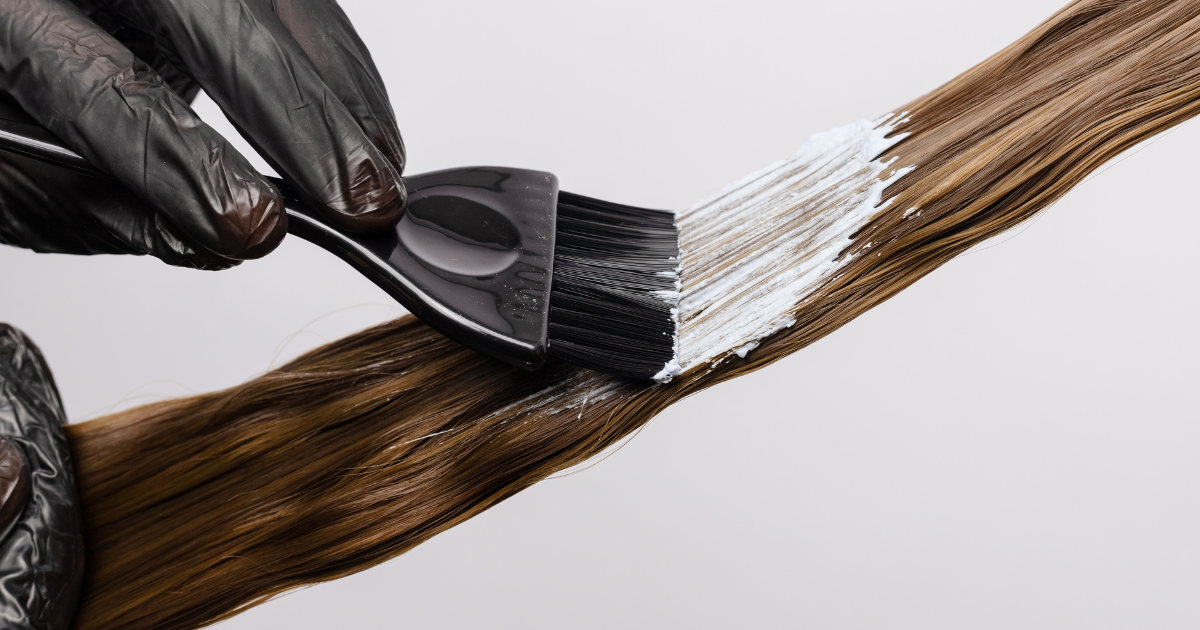
Balayage Is a Color Plan, Not Just a Placement Technique
Balayage Is a Color Plan, Not Just a Placement Technique Thoughtful balayage services begin by deciding where brightness belongs, how much contrast suits the person,…

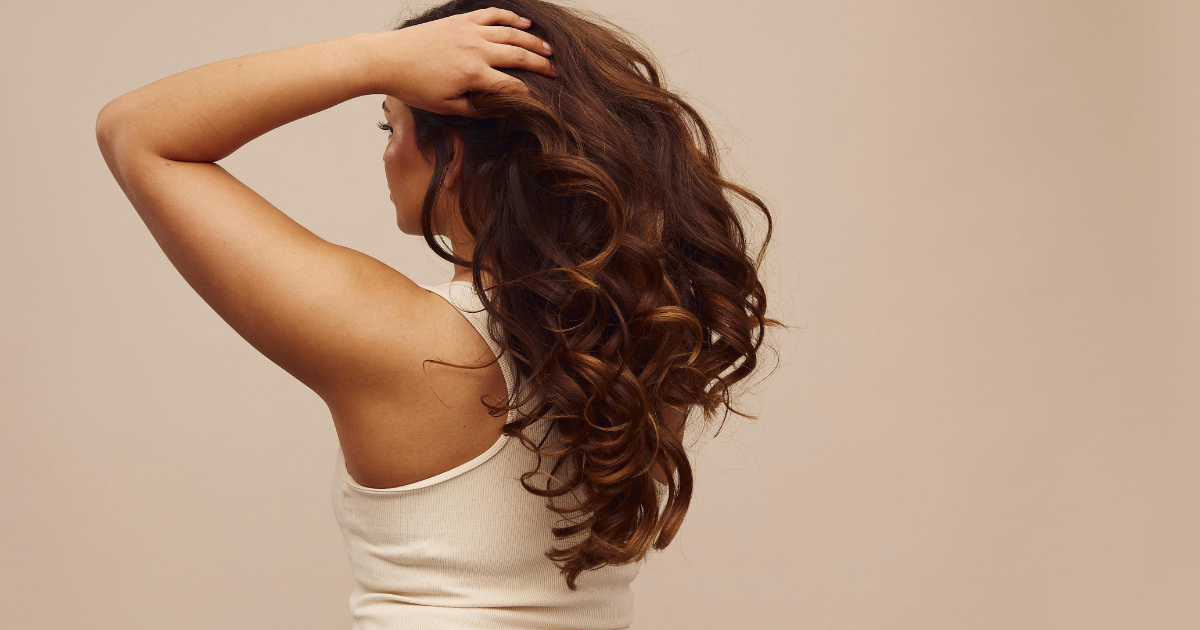
Well-planned precision haircuts can do more than create a flattering outline; they can make washing, detangling, drying, and everyday styling feel considerably more manageable.
Most haircut inspiration focuses on the finished photograph, while real life happens on rushed mornings, humid afternoons, workout days, and the second or third day after washing. A cut succeeds when its shape cooperates with the hair without requiring a full styling production.
Thinking about a haircut as part of a hair-care routine changes the questions worth asking. Instead of choosing by trend alone, consider how length, weight, layering, perimeter, and fringe will affect the repeated handling your hair receives every week.
Every style comes with a maintenance workload. A blunt bob may need regular shaping to keep its line crisp. Long, dense hair can take more time to wash and dry. A layered curly cut may encourage movement with less manipulation, but it still depends on a routine that respects the curl pattern.
A useful goal is not necessarily “low maintenance.” It is appropriate maintenance: a level of effort that fits your schedule, skills, preferred products, and willingness to use heat.
Before changing the shape, take an honest inventory:
These answers turn a vague request for “something easier” into useful design criteria.
Repeated physical or chemical stress can weather hair fibers. Trimming removes compromised ends, while a thoughtful shape can reduce some of the tugging and repeated tool work used to make an unsuitable cut behave.
The American Academy of Dermatology’s guidance on limiting hair damage recommends gentle detangling, conditioning after shampooing, minimizing pulling, and using less heat. A haircut cannot replace those habits, but it can support them.
For example, removing excess weight may shorten drying time for very dense hair. Cleaning up a fragile perimeter can reduce the temptation to repeatedly brush rough ends. Well-placed layers can encourage natural movement, while poorly placed layers may make some textures feel more tangled or expanded. The right choice depends on the actual behavior of the hair.
If a cut only looks right after aggressive straightening or curling, the styling plan is part of the decision. The AAD’s hair-styling recommendations advise reducing blow-dryer use and keeping flat irons on dry hair at low or medium heat.
A study indexed by the National Library of Medicine found greater surface damage as hair-dryer temperature increased, while drying at a distance with continuous motion produced different results from holding the dryer close. It reinforces a sensible principle: technique, temperature, distance, and exposure time all matter.
Straight, wavy, curly, and coily hair respond differently to weight removal, tension, moisture, and drying. Density and strand diameter add another layer. Two people with a similar curl pattern may need different shapes because one has fine, low-density hair while the other has coarse, dense hair.
A texture-aware cut considers:
The AAD notes in its curly and coily hair guidance that these textures can be prone to dryness and breakage. Its recommendations include moisturizing the full length, detangling in sections while the hair is wet, and avoiding dry brushing. Those habits help explain why the same cut-and-style routine should not be applied to every texture.
Bring photographs of your own hair on a good natural-texture day as well as inspiration images. Your photos show the stylist how the hair behaves outside the salon, which may be more informative than a reference model with a different density or curl pattern.
The best haircut for someone who wears hair loose may not be ideal for someone who needs a ponytail five days a week. Face-framing pieces can feel soft and expressive when worn down, yet become frustrating if they constantly escape a work style. A shorter shape may reduce drying time but remove the ability to gather the hair fully.
There is also a wellness reason to discuss habitual styling. The AAD explains that repeatedly tight ponytails, buns, braids, and other pulling styles can contribute to traction alopecia. Pain, stinging, crusting, or visible tension are warning signs, not proof that a style is simply “secure.”
A haircut can sometimes create more loose-style options or reduce the weight placed on a frequently stressed area. It cannot diagnose or treat hair loss. New thinning, bald patches, scalp pain, or persistent shedding should be evaluated by a qualified healthcare professional.
A stylish shape still has to coexist with scalp care. If very thick hair makes it difficult to cleanse and rinse thoroughly, strategic weight management may make the routine easier. If the scalp is sensitive, flaky, or inflamed, that information should be shared before products or vigorous brushing are used.
The Centers for Disease Control and Prevention recommends regular hair washing, choosing shampoo and conditioner for the hair type, and not sharing personal brushes, combs, or towels. The appropriate washing frequency varies, so the useful takeaway is cleanliness and a routine suited to the individual, not a universal schedule.
Professional sanitation also matters. Arizona’s infection-protection guidance for barbering and cosmetology addresses hand hygiene, clean tools, disinfection, and the handling of single-use items. Clients can reasonably expect capes, combs, brushes, clippers, and work areas to be managed according to applicable professional standards.
A polished blowout shows one version of a haircut, not its full performance. Evaluate the result through an ordinary wash-and-style cycle. Notice what happens when you use your usual tools, time limit, and products.
Haircuts are collaborative and iterative. Growth patterns, previous chemical services, weather, home technique, and product choice can all affect what you see. Specific feedback such as “the crown collapses on day two” is more actionable than simply saying the style feels off.
Salon 27 in Mesa publishes a haircut menu organized around the time and technique different hair needs may require. Its current options include clipper cuts, short cuts, medium-to-long cuts, curly cuts, extra-long or thick-hair cuts, bang trims, and blow-dry styling.
That structure reflects a helpful reality: service needs cannot always be predicted by gender or one length label. Density, texture, condition, the size of the change, and desired finish can all influence the work involved.
When selecting a service, describe both the starting point and the goal. Mention very thick or extra-long hair, natural curls, a major length change, or a need for clipper work. This helps reserve a service designed for the actual task.
A strong result should make the next several weeks easier. Ask for a simple home demonstration using tools you own, plus one alternative for days when time is limited.
Then protect the result with a few repeatable habits:
The healthiest-feeling haircut is often the one that reduces conflict between appearance and everyday care. When the shape respects texture, lifestyle, and realistic effort, good hair habits become less of a project and more of a natural part of the day.