The Hair Reset: Salon Services in Athens, GA
Salon services in Athens, GA can help create a healthier, more manageable hair routine when each appointment is chosen according to your texture, condition, lifestyle,…

Salon services in Athens, GA can help create a healthier, more manageable hair routine when each appointment is chosen according to your texture, condition, lifestyle, and long-term goals.
A salon menu can sometimes feel like its own language. Should you schedule a full highlight or a partial highlight? Is a glaze enough to refresh your color? Would extensions provide the fullness you want, or would a new haircut create the movement you have been missing?
The right answer is rarely based on a trend alone. A thoughtful salon plan connects the desired look with the condition of the hair and the amount of maintenance that fits comfortably into everyday life. Here is how to approach the most common services with greater clarity.
Before choosing a service, define what is not working about your current hair. A clear problem gives the stylist a useful starting point and helps prevent unnecessary treatments.
Your main concern might be:
It is also helpful to identify what you already like. If the length works but the shape feels heavy, you may not need a dramatic cut. If the brightness is right but the tone has changed, a complete highlighting service may be unnecessary.
A consultation works best when it includes both sides of the story: what you want to preserve and what you hope to improve.
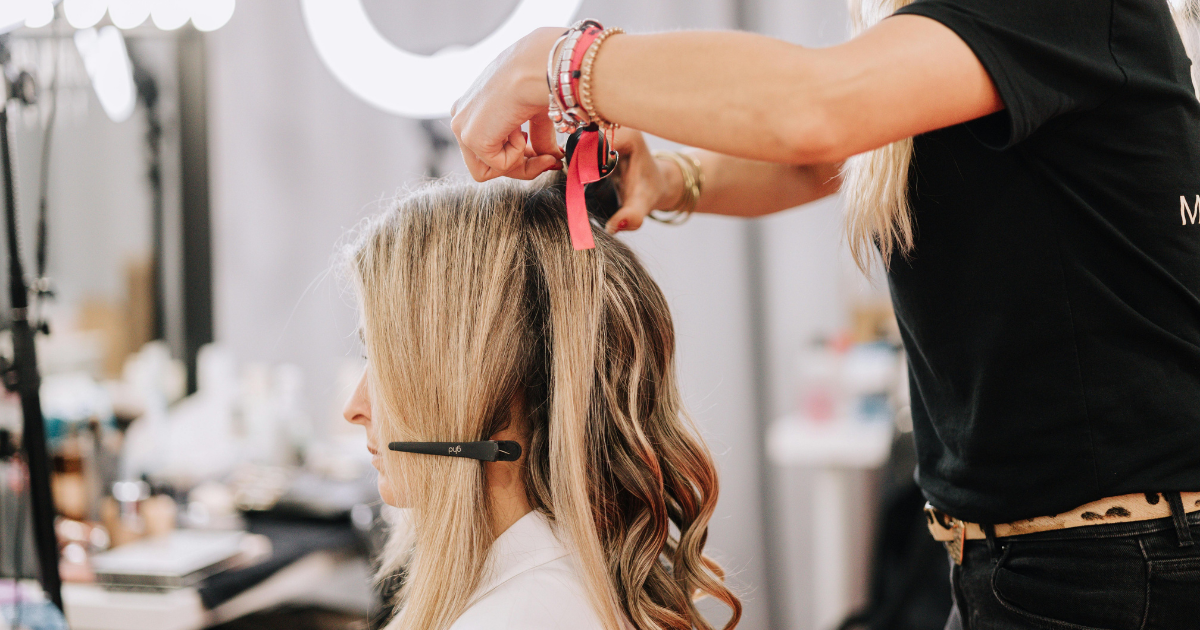
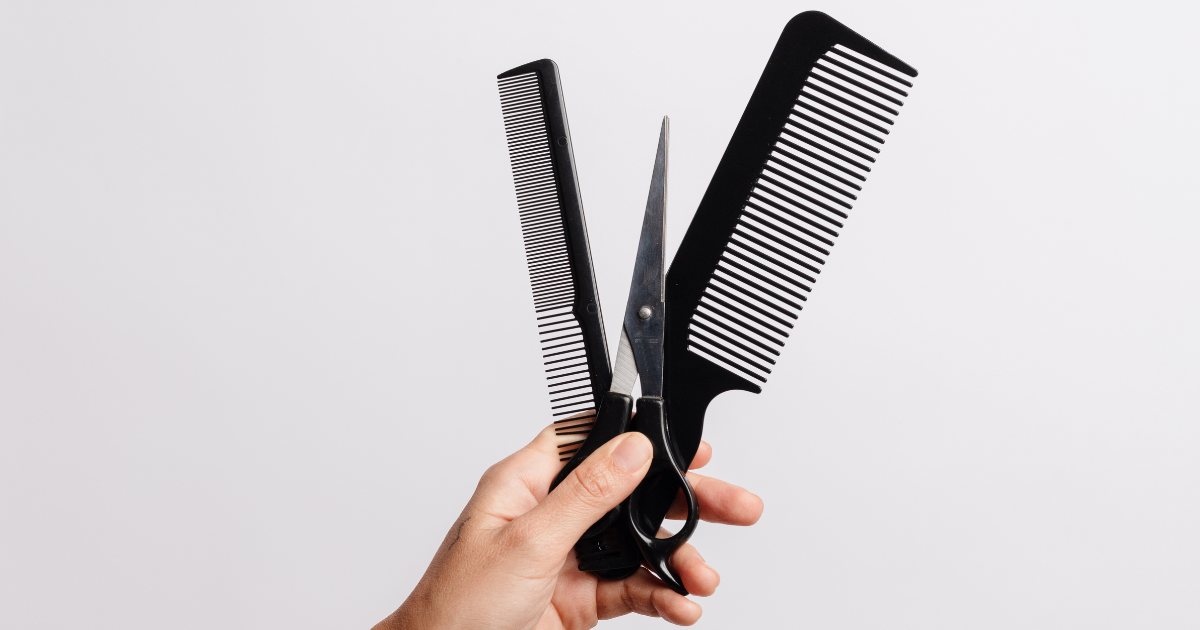
A good haircut should support the way the hair naturally moves while making daily styling more realistic. The same inspiration photo can produce very different results on fine, thick, straight, wavy, curly, or highly textured hair.
Tell the stylist how often you use hot tools, whether you air-dry, and how frequently you wear your hair pulled back. These details influence the length, layering, and placement of face-framing pieces.
For example, dramatic layers can create movement, but they may remove more density from the ends than someone with fine hair wants. A blunt shape may produce a fuller perimeter, while strategic interior layers can reduce weight in thicker hair. Neither technique is automatically better; the decision depends on the starting point.
The American Academy of Dermatology recommends adapting hair care to the individual hair type. Its basic guidance includes shampooing according to scalp needs, using conditioner, protecting hair from excessive heat, and detangling gently.
Hair color is not only about selecting a shade. Placement, contrast, natural pigment, previous services, and maintenance preferences all affect the final plan.
A retouch generally focuses on new growth. It may be appropriate for maintaining an established single-process color or covering gray at the roots. It is not the same as applying color throughout the entire length of the hair.
Partial highlights concentrate brightness through selected areas, often around the face and upper sections of the hair. They can refresh dimension without changing every part of the existing color.
A full highlight places lightness throughout more areas of the head. This may be useful for someone seeking a brighter overall effect or dimension that remains visible in different hairstyles.
A glaze can refine the tone of previously colored hair while adding shine. It may help neutralize unwanted warmth or refresh color between larger appointments, but it cannot create the same amount of lightness as a highlighting service.
The bigger the requested color change, the more important it becomes to discuss timing and hair condition. The AAD’s coloring and perming guidance explains that significant lightening can be more damaging than staying closer to the natural shade.
Clients should also tell the stylist about previous reactions to hair color. The U.S. Food and Drug Administration recommends following hair-dye warnings and patch-testing instructions, even when a product has been used before.
Hair can look shiny while still being vulnerable to breakage. Before chemical services, a stylist may examine elasticity, porosity, density, and the condition of the ends. These observations help determine whether the desired plan should proceed as requested or be adjusted.
Sometimes the healthiest recommendation is a more gradual transformation. A conditioning treatment, strategic haircut, or less aggressive color placement may create visible improvement while preserving more of the hair’s strength.
A scientific overview of hair cosmetics and the hair shaft explains how cleansing, conditioning, coloring, and styling practices interact with the hair’s structure. The practical takeaway is simple: no product or treatment works identically for every person.
Professional services should also be supported by realistic home care. If a result requires a certain shampoo, heat protectant, drying technique, or maintenance schedule, ask for those instructions before leaving the salon.
Extensions can add length, volume, or color dimension, but the installation is only one part of the experience. Consultation, method selection, home care, maintenance, and professional removal all matter.
Haven and Mane offers multiple extension methods, including weft, Mago, K-tip, and tape-in options. The salon requires a consultation so an extensions-certified stylist can evaluate the client’s goals and recommend a customized approach.
Important factors include:
Extensions should feel secure without producing persistent pain or headaches. The AAD advises clients to use professional extension services, protect the natural hair, and respond to excessive tension. Ongoing pulling may contribute to breakage or traction-related hair loss.
Home care instructions may vary by method, but gentle brushing and thorough drying around attachment areas are commonly important. Oils and conditioners may also need to be kept away from certain bonds or adhesives.
Smoothing services may help reduce frizz, increase manageability, and shorten styling time. They do not permanently change the natural texture growing from the scalp, and the result will gradually change as the hair is washed and new growth appears.
Haven and Mane lists Brazilian Blowout, keratin treatment, and express smoothing options. Since formulas and processes vary, ask the stylist which service is being recommended, what aftercare is required, and how the product works.
Ingredient transparency is especially important with heat-activated smoothing products. The FDA advises consumers to ask whether a smoothing product contains or releases formaldehyde and to request ingredient or safety information when needed. This general guidance applies to smoothing services as a category and does not indicate that a particular salon or formula contains the ingredient.
Anyone who has experienced previous reactions, breathing problems, or scalp sensitivity should discuss those concerns before scheduling a smoothing treatment.
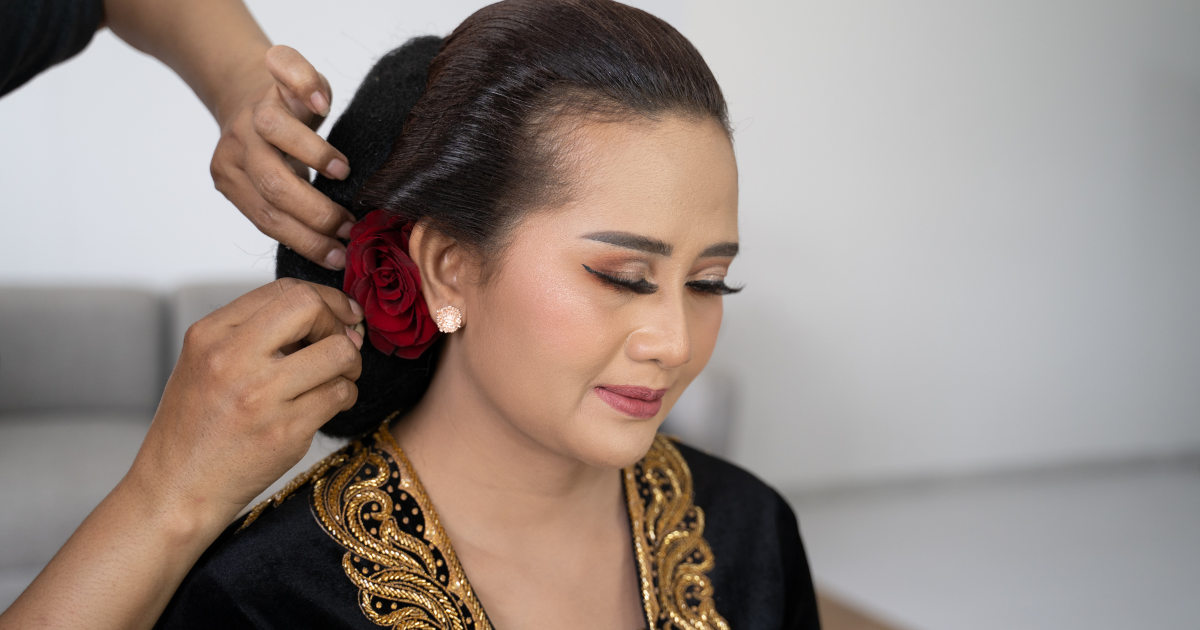
An updo or styled blowout can complete a wedding, formal event, photo session, or night out. The appointment becomes much easier to plan when the stylist knows the outfit, neckline, weather conditions, accessories, and desired level of formality.
Bring several inspiration images rather than relying on one highly edited photograph. Look for examples with hair density and length similar to your own. If the selected style requires additional fullness, ask whether temporary pieces or extensions would be appropriate.
Confirm how the hair should be prepared before arriving. Some styles work best on freshly washed hair, while others may require different preparation. Following the stylist’s specific instructions is more reliable than assuming every updo needs “dirty hair.”
A successful service should make the weeks after the appointment easier. Before leaving, ask the stylist to explain how to maintain the result without recreating every professional step.
Focus on four practical questions:
Avoid filling the bathroom with products that perform the same job. A smaller routine built around the hair’s actual needs is usually easier to follow consistently.
The AAD’s list of common habits that can damage hair recommends reducing excessive heat, avoiding rough towel drying, limiting pulling, and handling tangles gently.
Happy Healthy Tribe also explores this idea in A Smarter Hair Wellness Routine Starts Between Appointments, which explains why everyday habits are essential to maintaining professional results.
A salon professional can improve the appearance and manageability of hair, but salon services do not diagnose or treat medical conditions. Sudden shedding, bald patches, persistent scalp pain, sores, or unusual inflammation should be evaluated by a qualified healthcare professional.
Be honest about what the hair and scalp are experiencing. Postponing a cosmetic service while seeking appropriate care is a sensible decision, not a setback.
Located on Baxter Street in Athens, Haven and Mane provides cuts and styling, color and blonding, hair extensions, and smoothing services. Its menu includes options ranging from maintenance appointments to more significant transformations, allowing each plan to begin with the client’s individual goals.
The best salon routine is not necessarily the most elaborate one. It is the routine that respects the hair’s current condition, produces a look the client can maintain, and leaves room for goals to evolve.
Start with an honest consultation, select the service that addresses the actual concern, and ask for clear maintenance instructions. When professional technique and consistent home care work together, a salon appointment becomes more than a temporary refresh—it becomes part of a healthier relationship with your hair.