The Quiet Details That Make Hair Extensions Feel Luxurious
The Quiet Details That Make Hair Extensions Feel Luxurious luxury hair extensions should be measured by how thoughtfully they fit the wearer, not simply by…

Personalized extension services should account for more than the length or fullness someone hopes to see in the mirror.
A truly individual plan also considers natural-hair density, scalp sensitivity, preferred hairstyles, exercise habits, washing routine, budget, and willingness to return for maintenance. These details often determine whether extensions feel manageable after the first few days.
It helps to treat extensions as an ongoing hair-care system. Installation matters, yet so do weight distribution and the habits repeated at home.
There is no single extension method that is best for every person. Fine hair may not support the same placement or amount of added hair as a dense, coarse head of hair. A person who frequently wears a high ponytail has different placement needs from someone who nearly always wears the hair down.
A useful consultation should examine two separate categories.
This assessment may lead to fewer pieces, a different placement pattern, a subtler amount of fullness, or the decision to wait while the natural hair recovers. Personalization is not simply adding more choices. Sometimes it means narrowing the plan to what the hair can comfortably support.
Freshly installed extensions can feel unfamiliar, but pain should not be treated as proof that they are secure. The American Academy of Dermatology’s extension-care guidance advises speaking up if an installation causes pain or a headache because excessive tightness can contribute to traction alopecia.
Traction alopecia is hair loss associated with repeated pulling on the hair. A clinical review indexed by the National Library of Medicine explains that recognizing the condition early matters because prolonged tension can eventually lead to permanent follicle damage.
Contact the salon promptly if you notice:
A small adjustment made early may prevent a larger problem. Do not try to tighten, glue, or reposition professional extensions at home unless the stylist has specifically taught you an appropriate method.
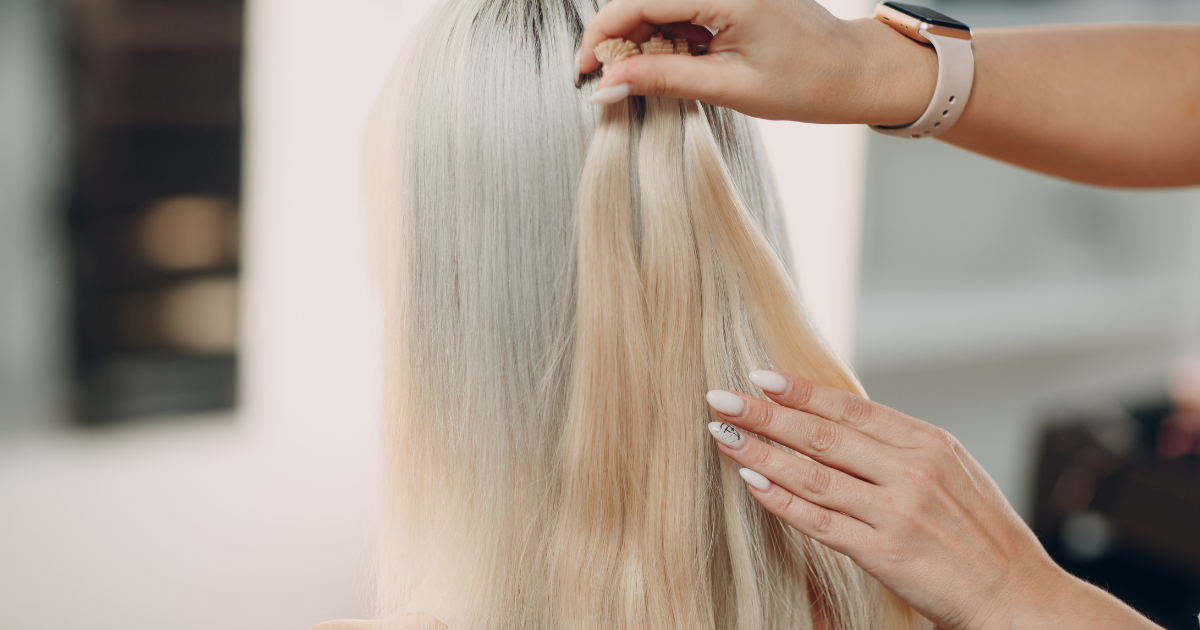
Extension names can make shopping feel like a product comparison, but the technique is only one part of the result. Hand-tied or other sewn wefts distribute hair along rows. Tape-in extensions use thin adhesive wefts. K-tips create smaller individual attachment points. Volume and flexible wefts offer different profiles and amounts of fullness.
Those descriptions do not identify the right choice on their own. The answer depends on support, concealment, styling habits, and weight distribution.
Instead of asking which method is “best,” ask:
Extensions still require access to the scalp for cleansing. Product buildup, sweat, and oil do not disappear because attachment points are present. At the same time, aggressive scrubbing and rough detangling can strain both the extensions and the natural strands.
The American Academy of Dermatology’s healthy-hair recommendations suggest concentrating shampoo on the scalp, using conditioner after washing, handling wet hair gently, and limiting excessive heat. An extension specialist can adapt those general principles to the selected method and explain where oils, conditioners, or styling products should and should not be placed.
A practical routine usually includes gentle brushing in sections, supporting the hair near attachment points, detangling from the ends upward, and drying the roots and connections thoroughly. The exact tools and products should be chosen for the natural texture, extension hair, and installation method.
Hair that conflicts with a person’s routine can quickly become stressful. Before committing, mentally walk through an ordinary week.
Ask how the hair should be secured at night and whether the proposed placement will conflict with a favorite sleeping position. Initial awareness of the attachments may occur, but ongoing pain is not something to ignore.
Frequent workouts mean more sweat and often more ponytails. Placement should support the styles used during exercise without repeatedly pulling the same fragile areas. The care plan should also explain how to dry damp roots after activity.
Pool water, saltwater, sun, and travel can complicate detangling and maintenance. Ask for method-specific guidance before a trip rather than improvising after exposure. Pack the recommended brush and enough care products to follow the normal routine.
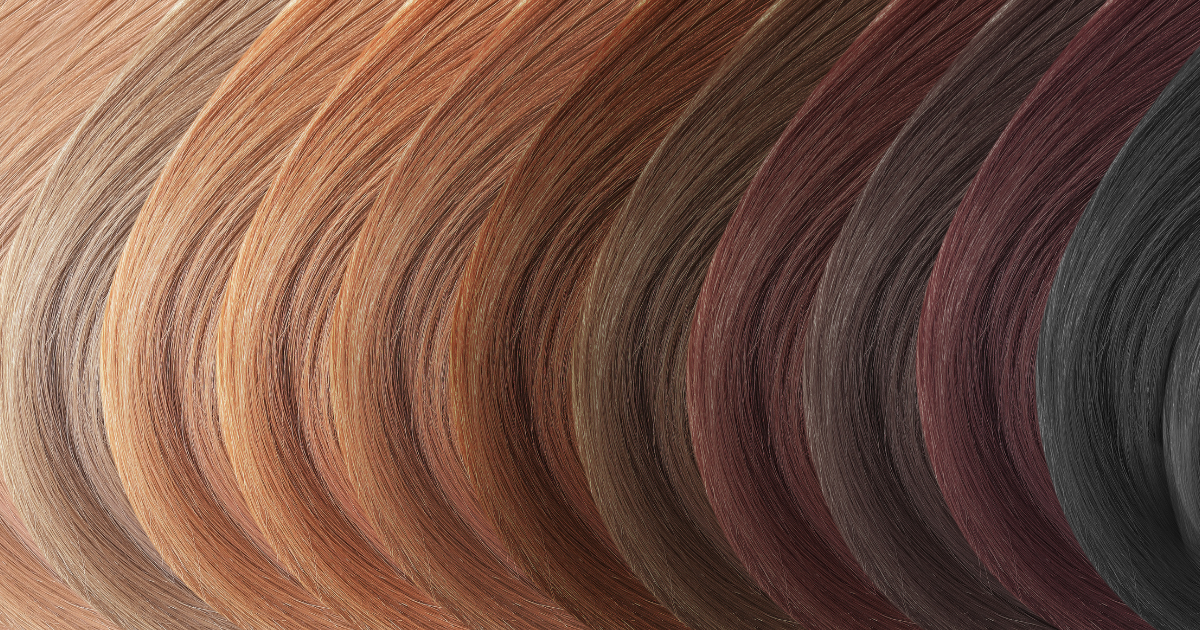
Natural hair rarely appears as one flat shade. It may contain a darker root, lighter ends, warm and cool ribbons, or variations around the face. A realistic blend may use more than one extension color, followed by cutting and styling that connects the added hair with the natural shape.
If the plan also involves coloring the natural hair, disclose previous color reactions and recent chemical history. The U.S. Food and Drug Administration’s hair-dye guidance recommends following product warnings and performing a patch test before each use because sensitivity can develop over time.
Color should be planned together with the installation, not treated as an unrelated last step. Repeated lightening, high heat, and added tension can create a demanding combination for already fragile hair.
As natural hair grows, attachment points move farther from the scalp. That changes weight distribution, concealment, and manageability. A refit or move-up schedule should be explained before installation, including what the service involves and which signs mean a guest should return sooner.
W Salon’s published extension process says maintenance timing depends on natural growth and generally falls within a six-to-ten-week period. That range is a planning guide, not permission to ignore discomfort or visible changes.
Budgeting should include extension hair, installation, blending, color coordination, home care, refits, and eventual removal or replacement. A smaller, sustainable plan can be more satisfying than a dramatic result that is difficult to maintain.
A stylist can assess cosmetic suitability and installation concerns, but a salon does not diagnose scalp disease or unexplained hair loss. The National Library of Medicine’s hair-loss guidance recommends contacting a healthcare professional for rapid or unusual hair loss, pain or itching with hair loss, or scalp skin that is red, scaly, or otherwise abnormal.
When those signs are present, pause cosmetic plans and seek appropriate evaluation. Concealing active shedding with added hair may make it harder to identify what is happening and may place more stress on vulnerable areas.
Extension services involve combs, brushes, clips, sectioning tools, and repeated contact with hair and scalp. The Ohio State Cosmetology and Barber Board’s infection-control resources outline standards for licensed beauty facilities and professionals. Guests can reasonably expect a clean work area, properly handled tools, and clear professional practices.
W Salon, Spa and Wine Bar currently lists hand-tied, tape-in, K-tip, volume-weft, and flex-weft extensions. Its published process begins with a consultation that considers the desired result and the condition of the natural hair before the extension hair is ordered and prepared.
The salon also describes custom placement, color matching that may combine multiple shades, and maintenance guidance based on the guest’s growth and selected method. Those steps reflect what responsible personalization should accomplish: creating a plan that works not only on installation day, but during washing, sleeping, styling, exercising, and returning for upkeep.
Extensions can be expressive and enjoyable without asking the wearer to dismiss discomfort or adopt an unrealistic routine. A thoughtful plan balances the visual goal with the health of the natural hair, the sensitivity of the scalp, and the time and budget available for care.
Bring honest information to the consultation, ask why a method suits your hair, and report warning signs early. When the plan fits real life, the finished style is easier to enjoy and the care behind it becomes part of the result.