The Quiet Details That Make Hair Extensions Feel Luxurious
The Quiet Details That Make Hair Extensions Feel Luxurious luxury hair extensions should be measured by how thoughtfully they fit the wearer, not simply by…

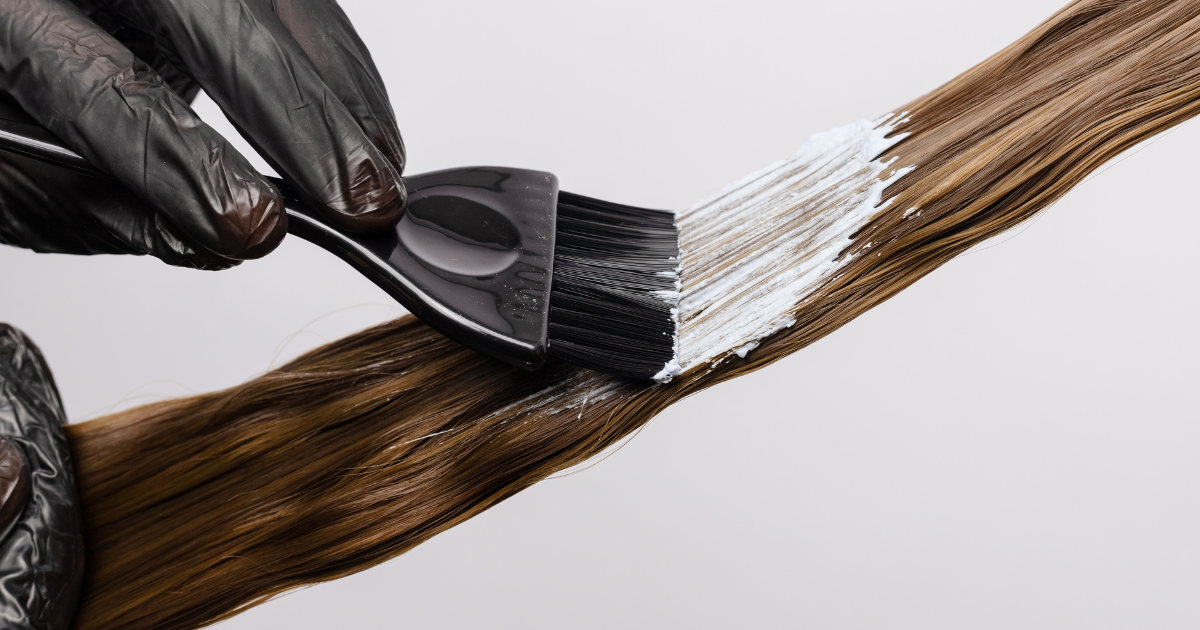
Thoughtful balayage services begin by deciding where brightness belongs, how much contrast suits the person, and what level of maintenance the hair can realistically support.
Balayage is often described through its visual effect: soft ribbons, brighter ends, a face-framing glow, or a lived-in transition near the roots. Those descriptions are useful inspiration, but they do not explain the full process. The same reference photo can require a different approach on virgin brunette hair, previously lightened blonde hair, tightly curled hair, fine hair, or hair with several layers of artificial color.
A healthy color plan therefore connects the desired look with the starting canvas. It considers the hair’s history, current condition, natural pattern, home routine, and the amount of change that can be pursued responsibly.
Clients and stylists do not always use color terms in exactly the same way. One person may picture subtle warmth when saying “caramel,” while another imagines a much lighter beige. “Low maintenance” might mean visiting the salon less often, or it might mean accepting a softer root while still refreshing the tone.
A productive consultation translates general inspiration into observable choices:
Reference images help most when several are used. Include examples of color that feels right and color that does not. Images taken in daylight are useful, but remember that editing, filters, extensions, lighting, and the model’s starting hair can affect what appears achievable.
Hair remembers chemical processing even when the color has faded. Permanent dye, demi-permanent color, lightener, vivid pigments, smoothing treatments, relaxers, and home color may all influence how the next service develops.
Share a timeline rather than saying only that the hair is “colored.” Useful details include:
A strand test may provide useful information about lift, tone, strength, and processing behavior. It is not a promise that every section will respond identically, especially when different parts of the hair have different histories.
Balayage commonly uses selective lightening to create dimension. The placement may look effortless, but the chemical change is real. Lightening alters pigment and can affect the hair fiber, particularly when the same lengths are processed repeatedly.
A microscopy study of cosmetically treated hair found visible surface changes after bleaching, including damage to the protective cuticle. This does not mean lightening should always be avoided. It means the condition and history of each section matter when deciding where new lightener belongs.
The American Academy of Dermatology’s coloring guidance also notes that lifting hair substantially lighter generally requires stronger processing and can increase damage.
A conservative plan may preserve more natural depth, brighten selected areas, avoid fragile ends, or divide a major transformation into stages. Progress is not measured only by lightness. Shine, movement, density at the ends, and manageability are part of the result too.
Porosity describes how readily hair takes in and releases moisture and other substances. It can vary across one head. New growth may feel relatively smooth while older, repeatedly lightened ends absorb water and color differently.
More porous sections may grab certain tones quickly yet lose them sooner. They can also feel rougher because raised or damaged cuticle edges increase friction. A recent review of human-hair friction describes how chemical, thermal, and mechanical processes can accelerate loss of the hair surface’s protective lipid layer, increasing friction.
This is one reason a single formula and processing plan may not suit every section. Professional judgment involves deciding how placement, saturation, timing, and toning should respond to variation in the hair.
Lightening reveals underlying warmth as natural pigment changes. Toner or glaze can refine that visible warmth, but it cannot make hair lighter than the lightening process achieved. A cool-looking reference image may require the hair to reach a sufficiently light foundation first.
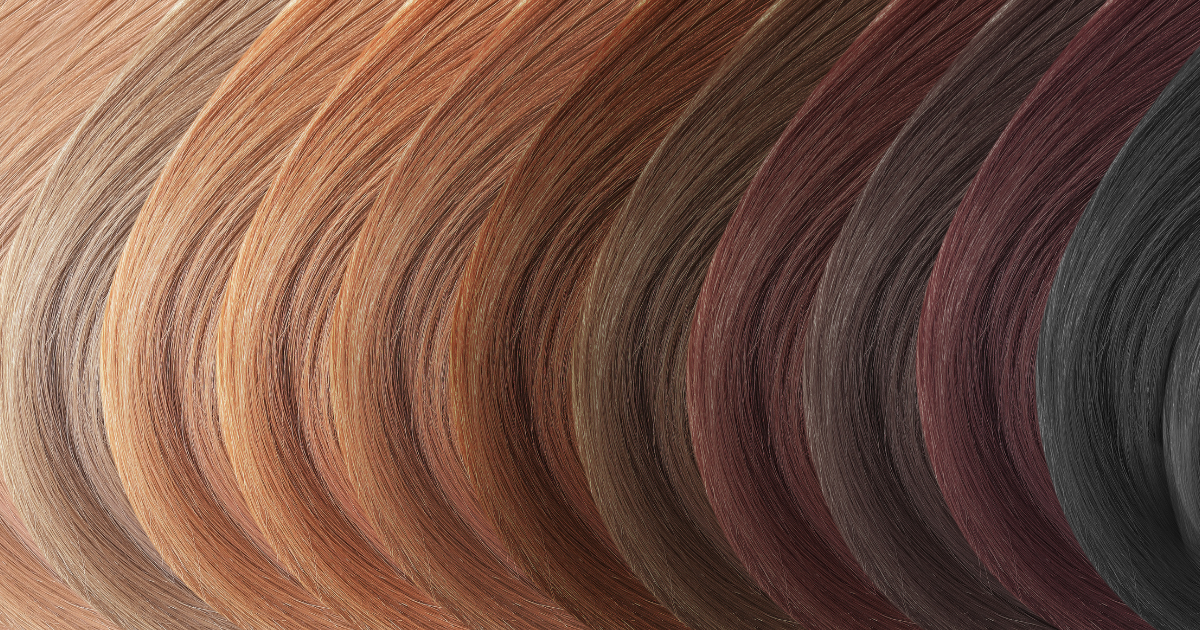
It also helps to separate unwanted brassiness from normal warmth. Gold, honey, copper, beige, and neutral brown can all be intentional. The right choice depends on the overall design, complexion, natural base, and level of contrast desired.
Tone also changes between salon visits. Washing, ultraviolet exposure, minerals, heat, and product buildup can alter how color appears. Maintenance should account for the person’s water, routine, environment, and styling habits rather than relying on one universal schedule.
Balayage placement may keep much of the lightener away from the scalp, but related color and toning products can still contact the skin. Anyone with a history of reactions should disclose it before service.
The U.S. Food and Drug Administration’s hair-dye guidance advises following product warnings, performing the recommended patch test each time, using gloves during application, observing processing directions, and rinsing the scalp thoroughly. Product systems differ, so the manufacturer’s directions for the specific color must be followed.
Do not dismiss significant burning, swelling, blistering, breathing difficulty, or a spreading rash as a normal part of coloring. Stop the process and seek appropriate medical help. The FDA also provides information on reporting cosmetic-product complaints.
A stylist can evaluate the hair’s cosmetic condition, but persistent scalp irritation, unexplained shedding, sores, or sudden hair loss belongs with a qualified healthcare professional.
Fresh color receives attention on salon day, but most wear occurs at home. Repeated heat, rough detangling, tight styles, sun exposure, and friction can affect already lightened lengths.
The American Academy of Dermatology’s damage-prevention advice recommends using conditioner after shampooing, handling wet hair according to its texture, minimizing pulling, and reducing the frequency and temperature of heated tools.
Research indexed by the National Library of Medicine has also found that high heat can damage the cuticle and change hair proteins. The study used controlled laboratory conditions, so it should not be treated as a direct prediction for every styling tool. It does support a simple principle: more heat is not automatically better.
Product recommendations should reflect texture, density, porosity, scalp needs, and styling routine. A heavily moisturizing formula that helps one person may weigh down another, while excessive use of pigmented toning products can shift a carefully balanced shade.
Tranquille Hair and Body in Towson, Maryland, states that its stylists work with all hair types to create customized color. Its published menu includes balayage, half balayage, and wet balayage, along with face-framing highlights, partial and full highlights, single-process color, glazes, root smudges, and base bumps.
The salon also offers a virtual consultation process for new clients. That step can help organize reference images, color history, current hair photos, and desired maintenance before selecting the most appropriate service category.
Because the menu separates several forms of dimensional color, clients should avoid choosing based on the name alone. The useful question is which option matches the amount of brightness, placement, correction, and maintenance the hair actually requires.
A strong balayage result should make sense beyond the first finished photograph. Ask how the placement will grow, which areas may need refreshing first, how toner changes over time, and what signs suggest the lengths need more conditioning or less processing.
The healthiest plan is not necessarily the least ambitious. It is the plan that respects the starting hair, explains the tradeoffs, and creates a realistic path from today’s color to the desired result. That combination of artistry and restraint is what makes dimensional color feel personal, wearable, and sustainable.