The Quiet Details That Make Hair Extensions Feel Luxurious
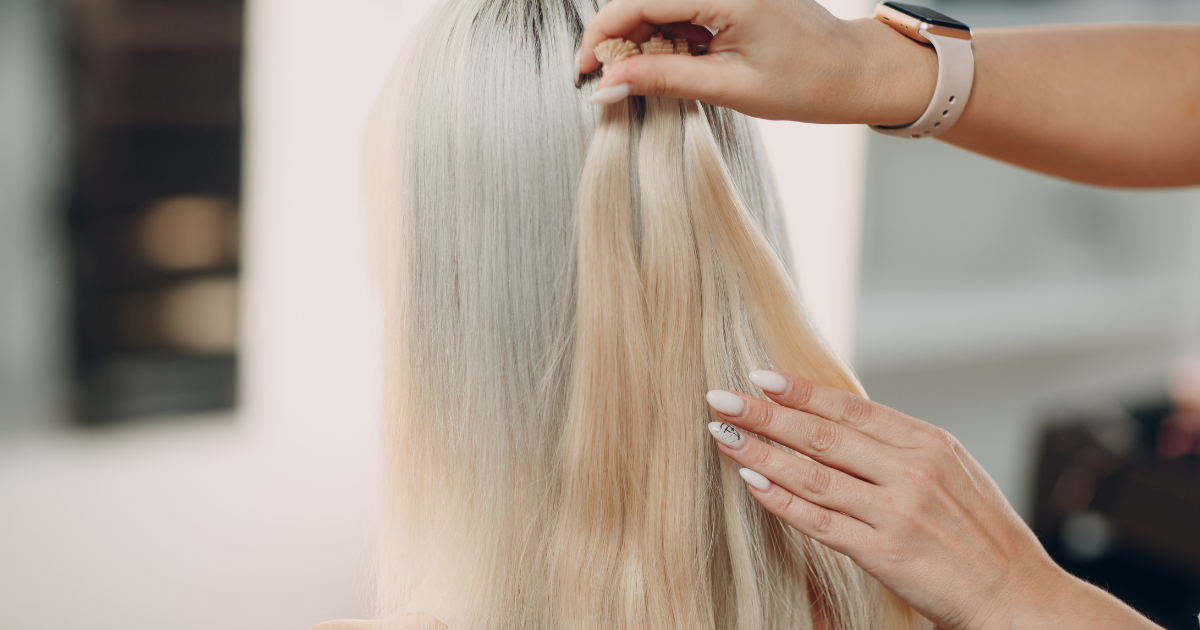
The Quiet Details That Make Hair Extensions Feel Luxurious luxury hair extensions should be measured by how thoughtfully they fit the wearer, not simply by…

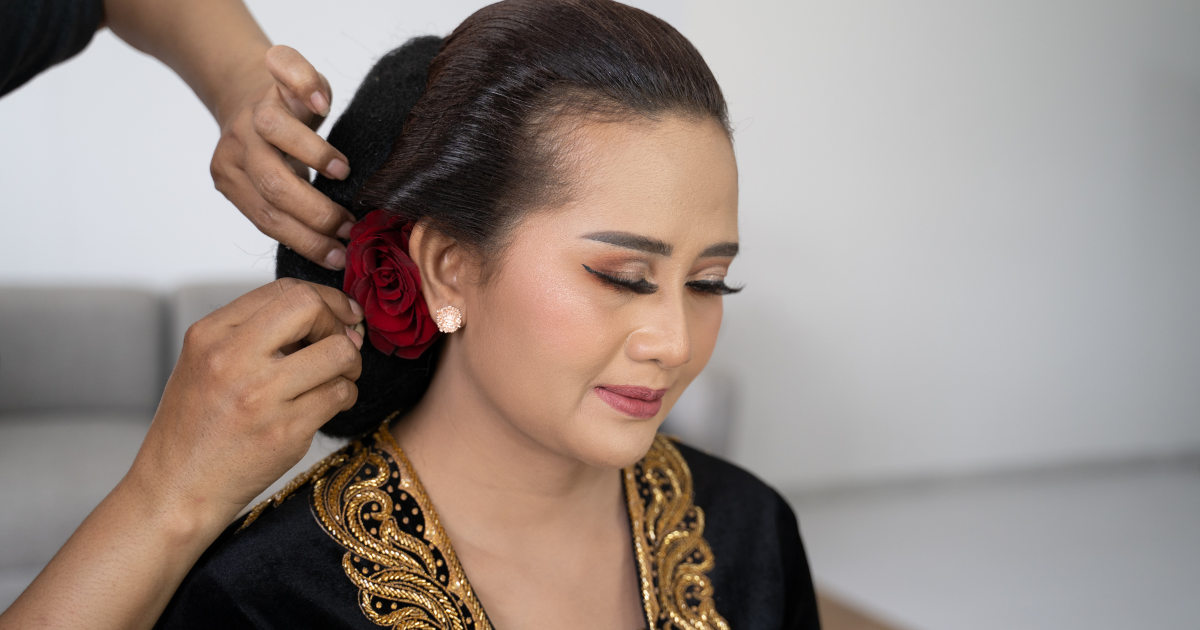
A hair salon in Pensacola, FL can help create a haircut, color, and care plan that works with the Gulf Coast’s humidity, sunshine, saltwater, and active outdoor lifestyle.
Beautiful hair is not only about how it looks immediately after a salon appointment. The real test comes several days later, when the style meets humid air, a trip to the beach, a morning workout, or another full day in the Florida sun.
A sustainable hair plan considers texture, density, previous chemical services, styling habits, and the environment. Instead of chasing a look that requires constant effort, clients can work with a stylist to choose services that remain manageable between appointments.
Pensacola’s coastal setting exposes hair to a combination of heat, humidity, ultraviolet radiation, wind, saltwater, and swimming-pool chemicals. These factors do not affect everyone in the same way. Fine hair may lose volume, curly hair may expand or frizz, and lightened hair may feel increasingly dry.
The local climate makes it helpful to discuss more than a desired haircut or color. A stylist should also understand how often the client spends time outdoors, swims, heat-styles, washes, and wears the hair pulled back.
Daily reports from the National Weather Service regularly document warm temperatures and high relative humidity in Pensacola. While the exact conditions change throughout the year, moisture in the air remains an important consideration when planning a style.
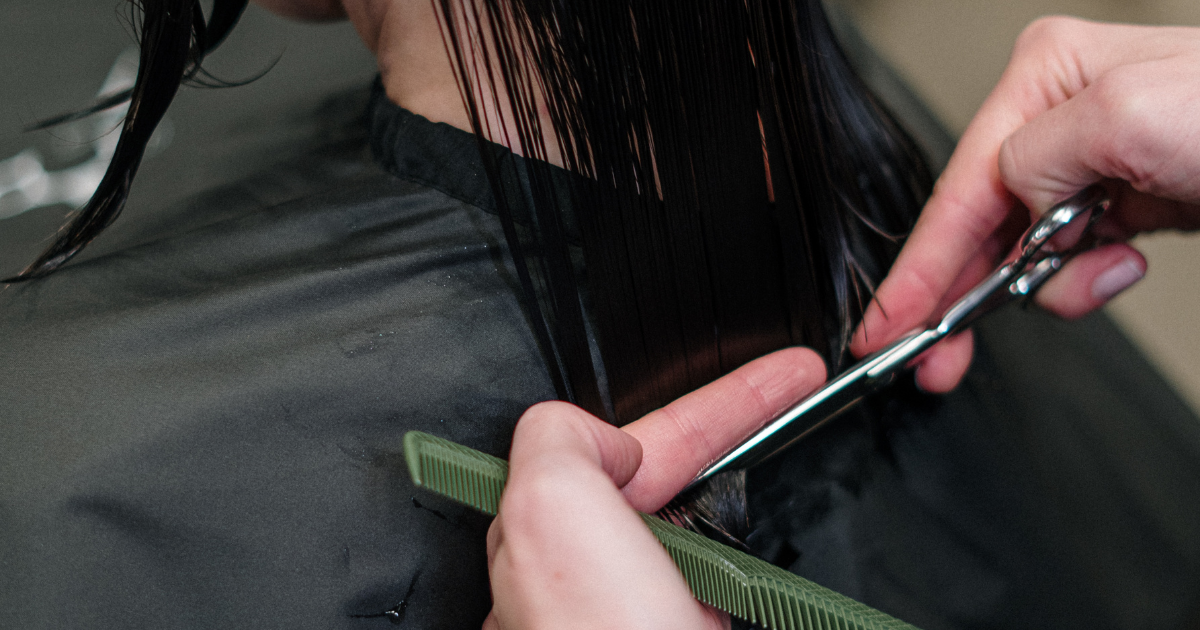
A haircut creates the structure that determines how hair falls, moves, and responds to styling. The most practical shape works with the client’s natural growth patterns rather than depending on a perfect blowout every morning.
During the consultation, explain what the hair does in normal conditions. Does it become wider in humidity, fall flat near the roots, curl more around the face, or form waves underneath? These details can influence the length, layers, weight distribution, and styling recommendations.
Before agreeing on a cut, consider:
A precision cut does not eliminate the effects of humidity, but it can make the hair easier to manage when the weather changes.
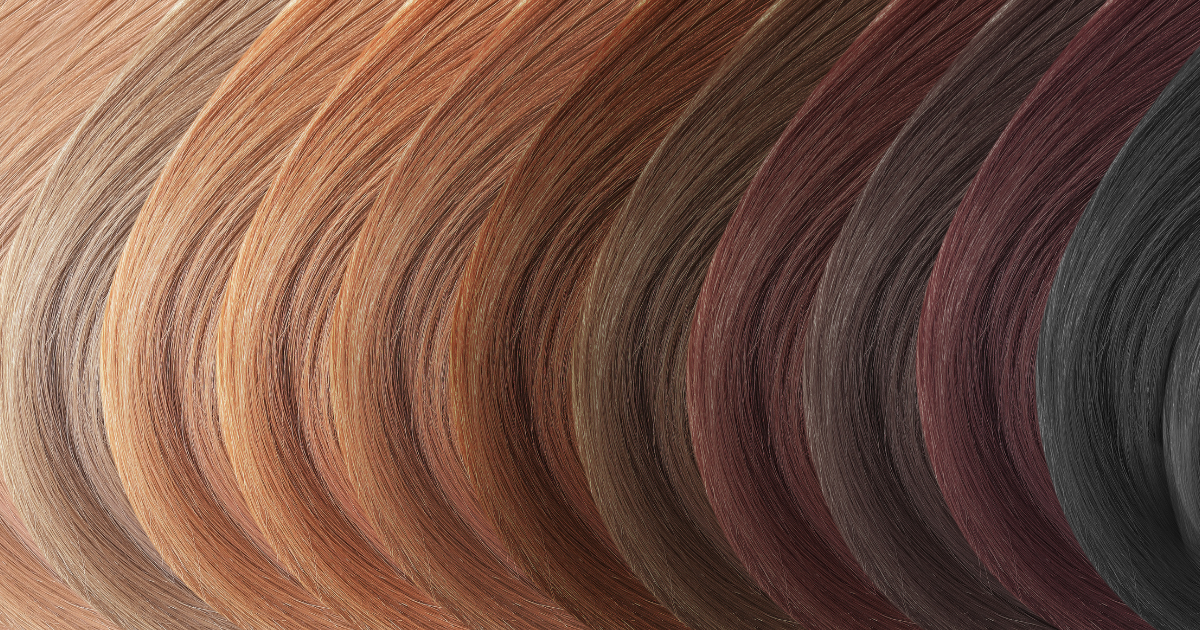
Hair color should be selected with both the first-day result and the eventual grow-out in mind. A dramatic transformation can be beautiful, but it may require more frequent salon visits and a more involved home-care routine.
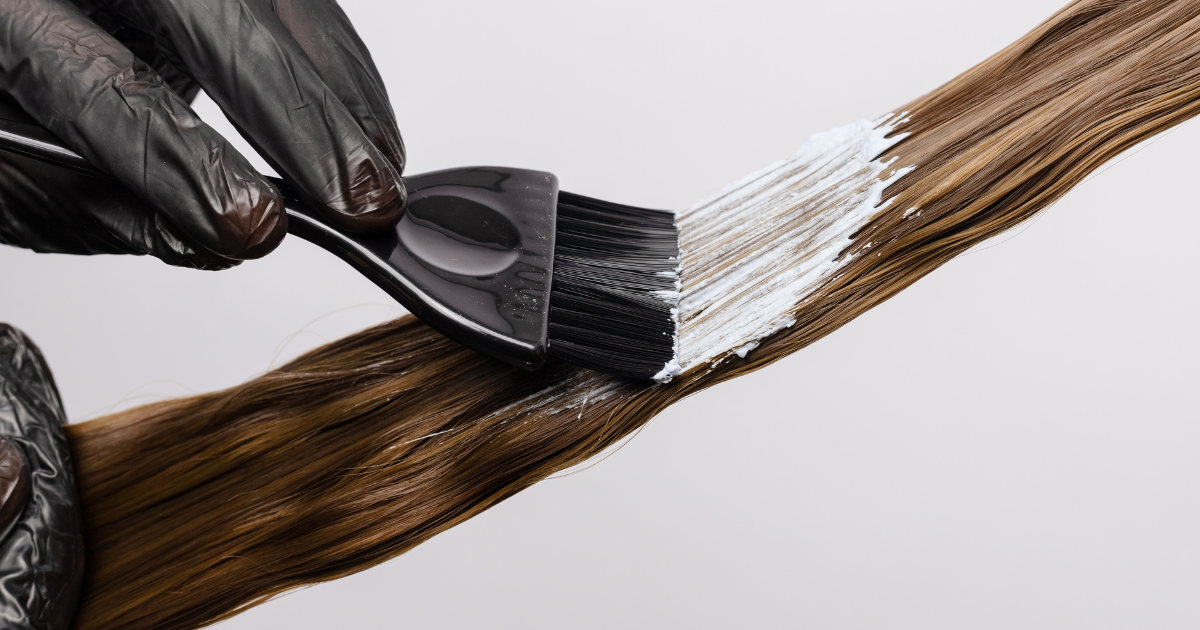
Traditional highlights can create structured brightness, while balayage may produce a softer transition near the roots. Ombré or sombré can place more of the contrast through the mid-lengths and ends. A glaze may refresh tone and shine without repeating a complete lightening service.
Ask the stylist how the proposed color will change over time. Important questions include:
Previous color remains relevant even when it no longer looks fresh. Permanent dye, lightener, henna, direct dyes, keratin treatments, perms, and chemical straightening can all affect the next service.
Tell the stylist what has been applied, when it was used, and whether it was done at home or in a salon. Accurate information helps the stylist anticipate how the hair may respond and whether a test strand or gradual plan is appropriate.
The U.S. Food and Drug Administration advises following hair-dye warnings and completing the recommended skin test before each application. Clients should also disclose previous redness, itching, swelling, blistering, or other reactions to color products.
Lightening removes natural pigment from the hair, and repeated processing can make strands more vulnerable to dryness and breakage. This does not mean highlights or balayage must be avoided. It means the placement, frequency, and condition of the hair should guide the plan.
A microscopy study of cosmetically treated hair documented structural changes associated with chemical treatments. From a practical perspective, this supports avoiding unnecessary overlap and allowing the stylist to assess whether previously lightened sections should be processed again.
The American Academy of Dermatology recommends spacing chemical services when possible, using conditioner after shampooing, limiting high heat, and handling the hair gently. These habits can be especially valuable for hair that is regularly colored or lightened.
If the ends are fragile, the healthiest recommendation may be to brighten fewer sections, add depth with lowlights, refresh the tone with a glaze, or complete the transformation over several appointments.
Beach and pool days are part of life in Northwest Florida, but they can be demanding on color-treated hair. Ultraviolet exposure can contribute to dryness and fading, while saltwater and chlorine may leave the hair feeling rough or tangled.
The American Academy of Dermatology’s summer hair-care guidance recommends protecting hair from the sun, rinsing immediately after swimming, and following with appropriate cleansing and conditioning care. A swim cap can provide additional protection for frequent swimmers.
Simple coastal-care habits include:
The Environmental Protection Agency’s UV Index guide can help residents understand daily ultraviolet intensity. Sun protection is primarily a skin-health issue, but hats and shade can also reduce direct exposure of the scalp and hair.
Hot tools can make hair look smooth in humid weather, yet excessive heat can gradually weaken the strands. The goal is not necessarily to abandon blow-dryers and irons. It is to use them with intention.
Start with an appropriate heat protectant and use the lowest temperature that produces the desired result. Avoid repeatedly passing an iron over the same section, and allow the hair to partially air-dry when practical.
A stylist can demonstrate techniques that suit the haircut and texture. The right brush, section size, airflow direction, and finishing product may improve the result without requiring extreme heat.
A conditioning treatment can improve softness, manageability, and the appearance of dry hair. Different formulas may focus on moisture, strength, buildup removal, or preparation for another salon service.
Treatments cannot permanently repair every type of structural damage or reverse split ends. A trim may still be necessary when the ends are severely worn. However, professional treatments can support a broader plan that includes gentle cleansing, regular conditioning, controlled heat, and sensible timing between chemical services.
Tell the stylist if the hair feels coated, unusually rough, overly stretchy, brittle, or difficult to detangle. Those descriptions can help distinguish between a need for moisture, strengthening care, buildup removal, or a haircut.
Different stylists may specialize in different techniques, textures, and finished looks. Finding the right match can be especially important for a major color change, precision haircut, balayage service, or style that requires specific experience.
Review examples of the stylist’s work and look for hair with a similar texture, density, starting color, or desired finish. During the consultation, pay attention to whether the stylist asks about maintenance and hair history rather than focusing only on the inspiration photo.
The Penton House Salon & Spa operates two Northwest Florida locations, including its signature Hair Studio at 47 N. 9th Avenue in Pensacola. The Pensacola studio offers haircuts and styling, color, full and partial highlights, balayage, ombré and sombré, glazes, conditioning treatments, waxing, and barbering.
The business also offers a stylist-matching survey designed to connect guests with a professional whose skills and personality align with their needs. That extra step can make the consultation more comfortable, particularly for a first visit or major transformation.
Arrive ready to discuss both the desired result and the realities of your routine. Bring two or three inspiration photos, along with an image of anything you definitely do not want. Wear the hair in a way that allows the stylist to see its normal texture and movement when possible.
Before the appointment:
Do not scratch or irritate the scalp immediately before a color appointment. If there are open areas, significant irritation, or unexplained hair loss, consider seeking appropriate medical advice before proceeding with a chemical service.
Great salon results should not disappear the moment you step into Pensacola humidity. A thoughtful plan considers the natural texture, environmental exposure, chemical history, and amount of styling effort that feels realistic.
The right haircut can work with natural movement, while strategic color placement can create a grow-out that matches the preferred maintenance schedule. Conditioning care, gentle styling, and protection during beach and pool days can help preserve the result.
Instead of choosing a service based only on a trend name, focus on how you want the hair to behave in everyday life. That conversation gives the stylist the information needed to create a look that feels polished in the salon and remains manageable along the Gulf Coast.