Nail Salon in Bel Air, MD: A Healthy Guide to Manicures and Pedicures
A professional nail salon in Bel Air, MD can provide more than a fresh polish color by combining careful grooming, precise application, and relaxing care…

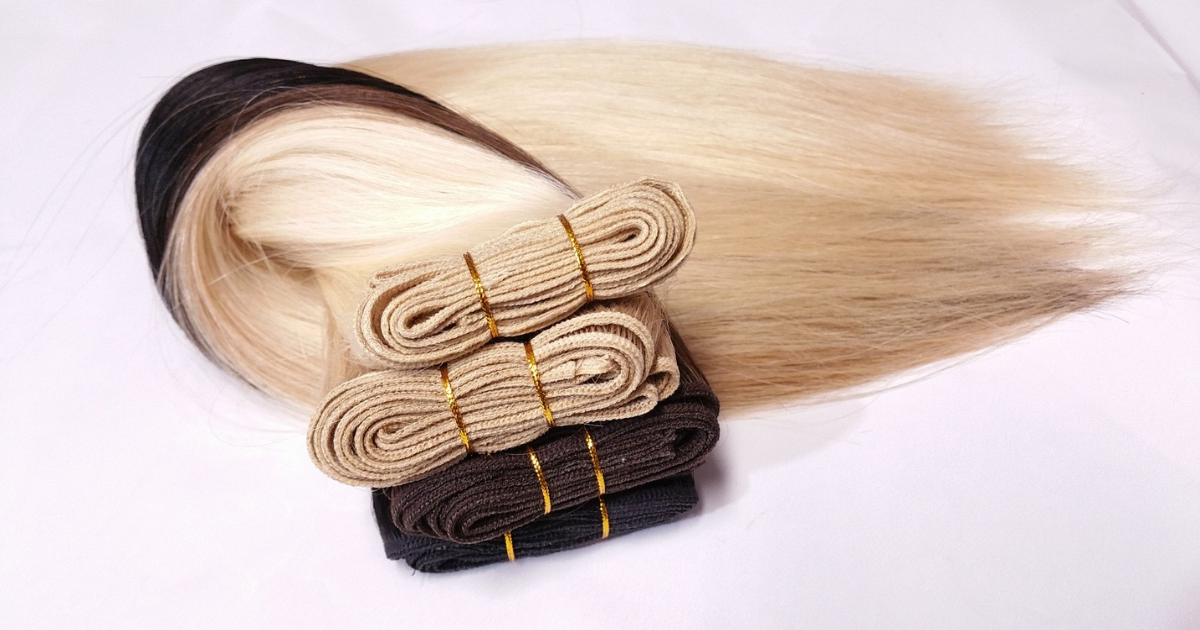
Hair extensions in Boise, ID can add length, fullness, dimensional color, or targeted coverage when the method and amount of hair are carefully matched to the client.
Extensions can create an immediate transformation, but they are also a long-term beauty commitment. The installation is only one part of the experience. Color matching, attachment placement, daily brushing, washing, drying, maintenance, and professional removal all influence the final result.
A beautiful extension service should not focus only on how long the hair looks in the after photo. It should also consider how comfortably the natural hair can support the added weight and whether the maintenance fits the client’s real lifestyle.
No extension method is automatically right for everyone. A consultation gives the stylist an opportunity to evaluate the hair and explain which options may produce a natural-looking result.
The conversation should cover:
Bring several inspiration photos, but remain open to professional recommendations. Someone with short hair may require more extension hair to create both length and a believable blend. A guest wanting fullness through the sides may need a smaller, more strategic installation.
It is easy to focus on the length of extension hair, but the weight attached to each section is just as important. Fine natural strands generally cannot support the same installation as thick, dense hair.
Extensions should feel secure without causing persistent pulling, soreness, headaches, or scalp irritation. They must also be placed where the attachments can remain concealed during normal movement.
The American Academy of Dermatology warns that repeated tension from tight hairstyles can contribute to traction alopecia. Early signs may include broken hairs, tenderness, bumps, or thinning around areas under tension.
If an attachment feels painful, contact the extension specialist instead of waiting for the next scheduled visit. Ongoing discomfort is not something a client should simply learn to tolerate.
Hand-tied extensions use wefts of extension hair attached to a beaded foundation and sewn into place. The term “hand-tied” refers to the construction of the weft, while “beaded weft” describes the broader installation method.
This approach distributes extension hair across rows and can create substantial fullness and length. It may work for many hair types when the row placement and amount of hair are customized properly.
Potential advantages include:
Rows must be adjusted as the natural hair grows. Maintenance frequency varies, but Hidden Beauty generally schedules hand-tied touch-ups around five weeks. Waiting too long can allow excessive grow-out, tangling, or uneven pulling around the attachment areas.
K-tip extensions, also known as keratin-tip or fusion extensions, are applied strand by strand. A professional fusion tool softens the keratin-based attachment so it can be bonded to a small section of natural hair.
Individual placement allows the stylist to customize where length, fullness, or color appears. The smaller bonds can provide flexible movement and may work well for clients who wear a variety of hairstyles.
K-tips are designed for longer wear than extensions requiring frequent move-up appointments. Hidden Beauty states that its K-tip installations can last approximately three to four months before professional removal, depending on the client and home care.
The bonds are not reusable. Oils, conditioner, and high heat should be kept away from the attachment area unless the stylist provides different instructions. Never attempt to pull, cut, or dissolve fusion bonds at home.
I-tip extensions are also installed strand by strand, but they do not require heat or adhesive. A small amount of natural hair and an extension strand are threaded through a bead, which is then clamped into place.
This method offers flexible movement and individually customized distribution. During maintenance, the beads can be opened and the extension strands moved closer to the scalp.
I-tips may appeal to clients who want:
The natural hair must have enough density to support and conceal the beads. Frequent slipping may indicate that the method, bead size, placement, products, or home routine needs to be reviewed.
Tape-in extensions use small, flat wefts with professional adhesive. A thin section of natural hair is placed between two extension pieces, forming a sandwich-style attachment.
Because the tabs lie flat against the head, tape-ins can provide discreet fullness and may blend well with shorter or finer hair when the weight is appropriate. They are also relatively efficient to install compared with strand-by-strand methods.
Tape-in hair can generally be removed, retaped, and reused while it remains in suitable condition. The attachments should be professionally removed because pulling them out without the correct solution and technique can cause breakage.
Keep oils, heavy conditioners, and certain styling products away from the adhesive tabs. Product buildup can contribute to slipping and shorten the life of the installation.
Clip-in extensions are designed to be applied and removed as needed. They can add temporary length, fullness, or dimensional color for weddings, photographs, celebrations, and other special occasions.
This option is useful for someone who wants occasional transformation without wearing permanent attachments every day. Clip-ins can also help a first-time extension client explore longer hair before committing to a professional installation.
Although clip-ins are removable, placement still matters. Attaching heavy pieces repeatedly to fragile areas may create unnecessary tension. A stylist can custom-blend the hair and demonstrate how to distribute the clips comfortably.
Remove clip-ins before sleeping, showering, or swimming unless their manufacturer provides different instructions.
Extensions primarily add length and fullness through the existing hair. A topper is designed to provide coverage near the crown or part line, making it a different solution for clients experiencing thinning or visible scalp areas.
Hidden Beauty offers customizable human-hair toppers that can be matched to the client’s color, texture, and desired density. Some toppers are removable, while others may use a more permanent professional installation.
A topper can improve cosmetic coverage, but it does not diagnose or treat the cause of hair loss. Sudden shedding, patchy loss, scalp pain, inflammation, or unexplained thinning should be evaluated by an appropriate healthcare professional.
The most natural-looking extension result often combines more than one shade. Strategic color blending can imitate the variation found in natural hair and prevent the finished style from looking like one solid block.
Extension hair has already been processed, so lightening it is generally discouraged. Hidden Beauty recommends choosing a color plan that the client can maintain for the expected wearing period. In some cases, extension hair may be toned slightly darker or customized before installation.
Tell the stylist if you expect to change your natural color frequently. A method requiring several months of wear may not be practical for someone who regularly moves between blonde, brunette, red, and vivid shades.
Exercise, swimming, and outdoor activities can be compatible with extensions, but they influence which method and care routine are most practical.
Sweat, scalp oil, frequent shampooing, saltwater, and chlorine may contribute to wear or attachment slippage. Before swimming, Hidden Beauty recommends dampening the hair, applying leave-in conditioner to the ends, and securing it in a low ponytail or using a swim cap. Shampooing and conditioning afterward can help remove residue.
After workouts, ensure that the scalp and attachment areas dry completely. Sleeping with damp extensions can encourage tangling and matting near the roots.
Extension hair does not receive natural scalp oils in the same way growing hair does, so the lengths need gentle, consistent care.
A practical routine includes:
The American Academy of Dermatology’s hair-care guidance recommends gentle handling and limiting excessive heat. Those habits are especially important when caring for both natural hair and extensions.
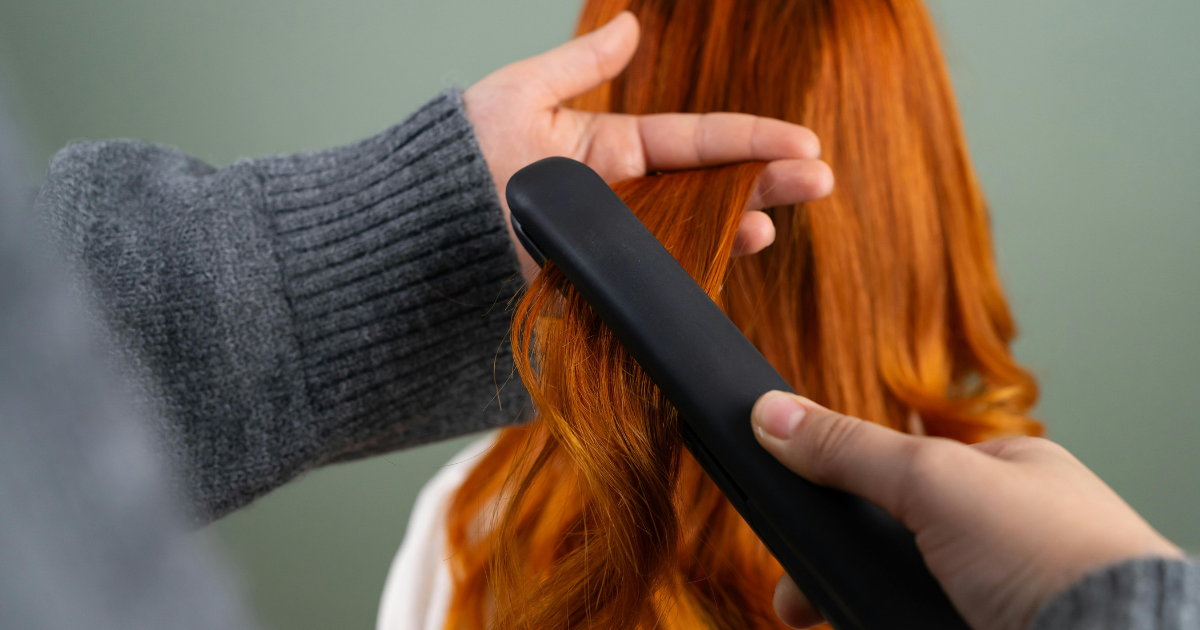
Heat tools can be used on many types of human-hair extensions, but the attachment areas require protection. Keep flat irons and curling tools away from adhesive tabs, keratin bonds, and beads.
Hidden Beauty recommends using a professional thermal protectant and maintaining distance between the hot tool and the bond. Lower temperatures are appropriate for delicate or lightened hair.
Avoid repeatedly passing a hot tool over the same section. Extension hair cannot recover from cumulative heat damage, so prevention is far more useful than trying to disguise severely dry ends later.
Natural hair continues to grow while extensions remain attached. As the attachment moves away from the scalp, the installation may become harder to conceal and more vulnerable to tangling.
Follow the maintenance schedule established during the consultation. Hand-tied wefts, I-tips, and tape-ins usually require periodic removal or repositioning, while K-tips remain in place until professional removal.
Do not attempt to tighten beads, separate matted roots, remove adhesive, or cut bonds at home. Incorrect removal can damage the natural hair even when the original installation was performed properly.
Hidden Beauty Color & Extension Bar is located at 8491 W. Overland Road in Boise. The salon specializes in customized color, blonding, hair extensions, and solutions for clients seeking additional coverage.
Its confirmed extension offerings include hand-tied extensions, K-tips, I-tips, tape-ins, clip-ins, and human-hair toppers. The salon uses Bellami extension hair for its primary installation methods and requires a consultation to evaluate color, length, density, lifestyle, and desired outcome.
The right extension method should create the desired look without asking the natural hair to support an unsuitable amount of weight. It should also fit the client’s exercise habits, styling routine, color plans, and willingness to attend maintenance appointments.
Be honest during the consultation, follow the recommended home-care routine, and contact the salon when an attachment feels uncomfortable or begins behaving differently. With thoughtful selection and consistent professional care, extensions can provide a beautiful transformation while keeping the natural hair’s needs at the center of the plan.