A Better Haircut Starts With an Honest Look at Daily Life
A Better Haircut Starts With an Honest Look at Daily Life Customized salon styling works best when the haircut is designed for the hair a…

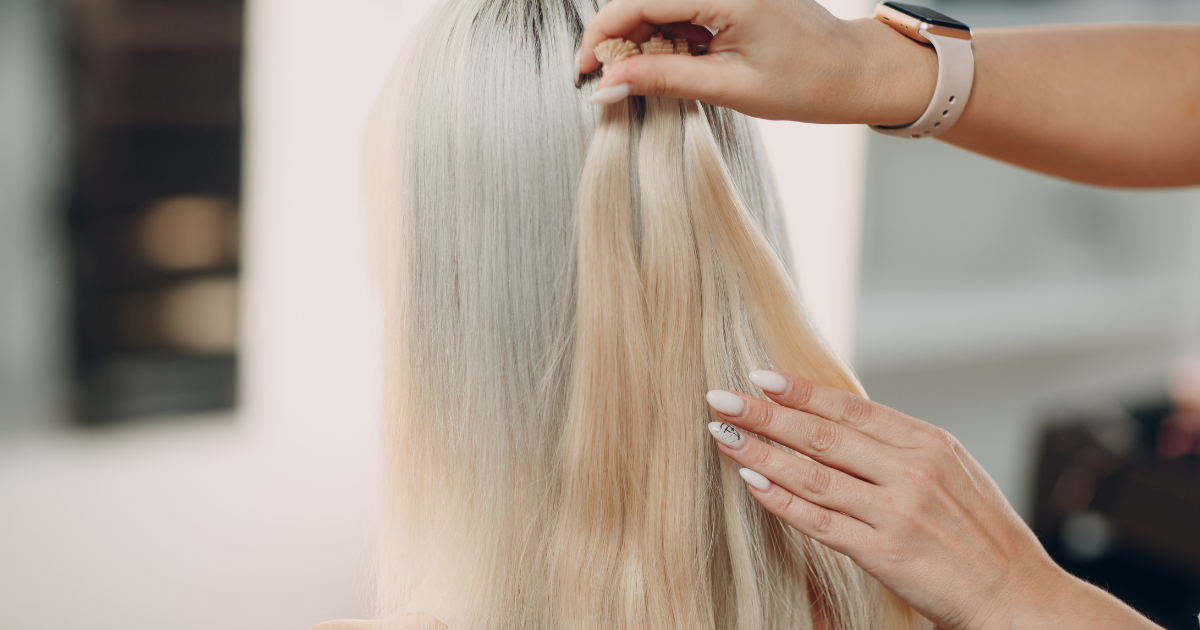
The best personalized extension services begin with a simple question: what can your natural hair and daily routine comfortably support?
Length and fullness may be the visible goals, but a successful extension experience is also measured at the scalp, in the shower, during sleep, and on a busy morning. An installation can look beautifully blended and still be a poor fit if it feels heavy or complicates cleansing.
Choosing extensions from the inside out helps protect both the finished look and the hair supporting it. That means considering scalp comfort, strand strength, density, texture, lifestyle, and maintenance before selecting a method or ordering hair.
“I want extensions” can describe different goals. One person may want added density, another may want dramatic length, and someone else may want temporary volume. Each goal changes how much hair is needed, where it should be placed, and whether a removable or longer-wearing method makes sense.
Start by ranking the outcome you value most:
A clear priority prevents unnecessary weight. If the actual goal is modest fullness, adding maximum length may create more upkeep without improving the result that matters most.
Extensions attach to or place tension on natural hair. That makes the condition of the scalp, roots, and strands more important than the desired after-photo.
The American Academy of Dermatology’s extension-care guidance recommends putting natural hair in good condition before installation, maintaining scalp cleanliness, and speaking up if the style causes pain or a headache. It also advises giving the hair breaks from continuous extension wear.
New shedding, bald patches, broken edges, inflamed skin, or unexplained scalp tenderness deserve attention before extra hair is added. A stylist can evaluate cosmetic factors such as length, density, and breakage, but a dermatologist should assess suspected hair loss or scalp disease.
No attachment method is automatically ideal for every head of hair. The useful comparison is how the method distributes weight, how visible the attachments may be in preferred hairstyles, and what maintenance it requires.
Tape-in pieces use adhesive tabs placed close to the scalp. Placement matters if you wear high ponytails or styles that expose the sides. Cleansing and drying around each tab become part of the routine.
Ask how removal and retaping work, which products should stay away from the adhesive, and what to do if a tab begins to slip. Pulling or peeling an attachment at home can place unnecessary stress on the natural hair.
Sew-in hair is secured to a braided or prepared foundation. The base should feel secure without being painful, and row placement should reflect the wearer’s hair strength, density, and style goals.
The medical literature on traction alopecia identifies prolonged pulling, tight braids, and attached weaves or extensions as risk factors. That does not mean every sew-in causes hair loss. It means tension and duration matter, especially around delicate edges.
Clip-ins offer temporary length or volume and can be removed before sleep and washing. They still need thoughtful placement because repeatedly clipping heavy pieces into the same sections can create localized stress.
Rotate placement when appropriate, avoid attaching clips to fragile areas, and remove them gently rather than pulling them through the hair.
A newly installed set may feel unfamiliar, but it should not cause persistent pain, a throbbing headache, stinging, crusting, or bumps around the attachments. Those signs should be discussed promptly rather than tolerated in the hope that the style will “settle.”
The AAD warns that hairstyles that repeatedly pull can lead to traction-related hair loss. Early signs can include broken hairs near the forehead, a receding hairline, or patches where tension is concentrated. Continuing a painful style can increase the risk of lasting follicle damage.
A practical comfort check includes:
A clean scalp remains important while wearing extensions. The Centers for Disease Control and Prevention recommends regular washing, selecting shampoo and conditioner for the hair type, and avoiding shared brushes, combs, and towels.
Your extension routine may require dividing the hair into sections so water and cleanser reach the scalp without matting the added lengths. Massage gently rather than scratching or aggressively scrubbing around the attachments. Apply conditioner according to the method-specific guidance provided by the stylist, since some products may affect adhesive or create buildup at the base.
Drying is just as important. Damp attachment areas can be uncomfortable and may encourage tangling. Squeeze out water gently, separate the rows or tabs, and dry the base thoroughly using the temperature and technique recommended for the installation.
Extensions can increase styling time because there is simply more hair to dry, smooth, or curl. That makes heat planning part of the service choice.
The AAD’s guidance on styling without damage recommends allowing hair to air-dry partially, decreasing blow-dryer frequency, and using flat irons on dry hair at low or medium heat. Not all extension fibers respond to heat in the same way, so confirm whether the added hair can be heat-styled and which temperature limits apply.
Use deliberate sections, direct heat away from attachment points when instructed, and avoid repeated passes simply because the extra length takes longer to control. A style that works with the natural texture of both the wearer’s hair and the extension hair can reduce daily tool use.
Before bed, gently detangle from the ends upward while supporting the hair above the section being brushed. Use the sleep style recommended for the installation, often a loose braid or another low-tension arrangement. Avoid sleeping with wet extensions unless the provider has given method-specific instructions that say otherwise.
In the morning, check the nape and attachment areas before using heat. Catching a small tangle early is easier than pulling through a compacted knot later.
Oils, dry shampoo, styling sprays, and conditioners can build up near attachments or make certain methods slip. Too little conditioning can leave the lengths dry and difficult to detangle.
The U.S. Food and Drug Administration’s information on hair-cleansing products explains how shampoos are regulated as cosmetics unless they are marketed with drug claims, such as treating dandruff. Read labels, follow directions, and stop using a product if it causes irritation.
Ask for a short routine rather than a crowded shelf:
Extensions should not be treated as permanent simply because they remain attached for weeks. Natural hair grows, attachment points move away from the scalp, and shed hairs can collect within the installation. Planned removal, retaping, or repositioning helps prevent an overdue set from becoming tangled or unevenly weighted.
Do not cut, dissolve, unbraid, or pull at attachments without understanding the method. Professional removal can separate the added hair while limiting avoidable stress on the natural strands. After removal, assess the scalp, cleanse away residue, detangle patiently, and decide whether the hair would benefit from a rest.
Teezerz in Bayonne, New Jersey, currently lists tape-in, sew-in, and clip-in extension options. Its published menu also includes tape-in removal and retaping services, as well as sew-in installation and mini move-ups.
This range allows the choice to begin with the wearer’s actual goal. Clip-ins may serve a temporary change, while tape-ins or sew-ins involve ongoing care and professional maintenance. The salon also states that extension solutions are customized and that pricing varies according to stylist level, time demand, and product.
Whichever method is selected, the most natural-looking result should also feel livable. Appropriate weight, comfortable placement, realistic home care, and timely removal matter as much as length and color matching. When those details work together, extensions can complement personal style without asking the scalp and natural hair to carry more than they should.