A Head-to-Toe Beauty Reset That Respects Your Health
A Head-to-Toe Beauty Reset That Respects Your Health A full-service Hair salon can make a beauty reset feel simple, but the healthiest experience starts with…

A full-service Hair salon can make a beauty reset feel simple, but the healthiest experience starts with choosing services that match your current hair, skin, body, and comfort level.
There are times when a fresh haircut, facial, massage, or manicure feels like exactly the reset we need. The temptation is to reserve every treatment at once and expect to emerge completely transformed.
A better approach is to build the day around one primary goal, share relevant health information, and understand what each service can realistically accomplish. Cosmetic care can improve appearance, comfort, and confidence, but it should complement rather than replace appropriate medical care.
Begin by deciding what you want most from the experience. Perhaps your hair feels difficult to manage, your skin needs gentle hydration, or your body would benefit from a quiet break from a demanding schedule.
Once the primary goal is clear, supporting services become easier to select. A conditioning treatment may complement color, while a manicure might fit comfortably after a haircut. A massage and facial can create a relaxing spa day, but combining them with a lengthy color correction may make the visit feel more exhausting than restorative.
Consider these questions:
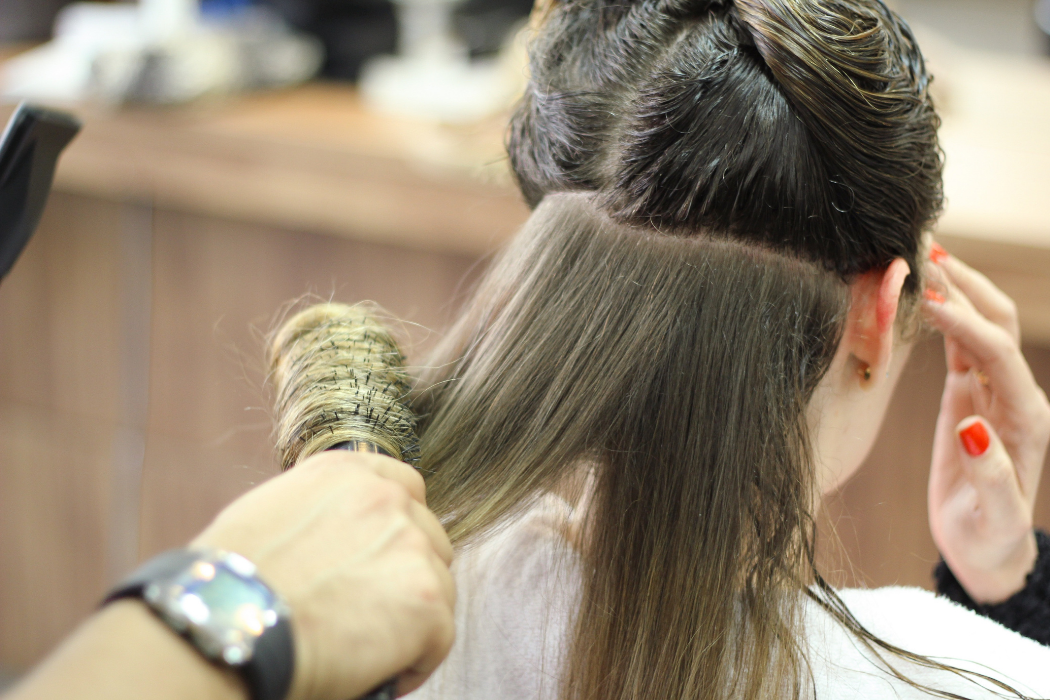
Hair that feels dry, rough, or difficult to detangle may benefit from a haircut, gentler routine, or professional treatment. The correct choice depends on whether the main concern is moisture, breakage, buildup, color fading, or styling damage.
The American Academy of Dermatology recommends choosing products according to hair type, applying shampoo mainly to the scalp, and conditioning after washing. These basic habits can be more helpful than repeatedly buying treatments without understanding the problem.
A salon treatment may temporarily improve softness, shine, or manageability. Severely split ends cannot be permanently repaired, although conditioning and styling products may make them less noticeable until they are trimmed.
A successful color consultation should include more than a photograph of the desired shade. Previous dye, lightener, henna, perms, relaxers, smoothing treatments, medications, and product reactions may influence the plan.
Tell the stylist about every chemical service, including treatments completed at home. Color that appears faded can still affect how the hair lightens or accepts another formula.
The U.S. Food and Drug Administration advises consumers to follow hair-dye directions and complete the recommended skin test before every application. A previous problem-free service does not guarantee that a future exposure will produce no reaction.
Unexpected burning, swelling, itching, or a rash should be taken seriously. Severe reactions, especially facial swelling or breathing difficulty, may require urgent medical care.
Scalp treatments can provide cleansing, exfoliation, hydration, or a relaxing massage. They are not substitutes for diagnosing psoriasis, dermatitis, fungal infections, or hair-loss conditions.
Seek medical guidance for:
The AAD explains that a dermatologist can distinguish between excessive shedding and hair loss. Identifying the cause is important because cosmetic products cannot address every medical or nutritional factor associated with thinning.
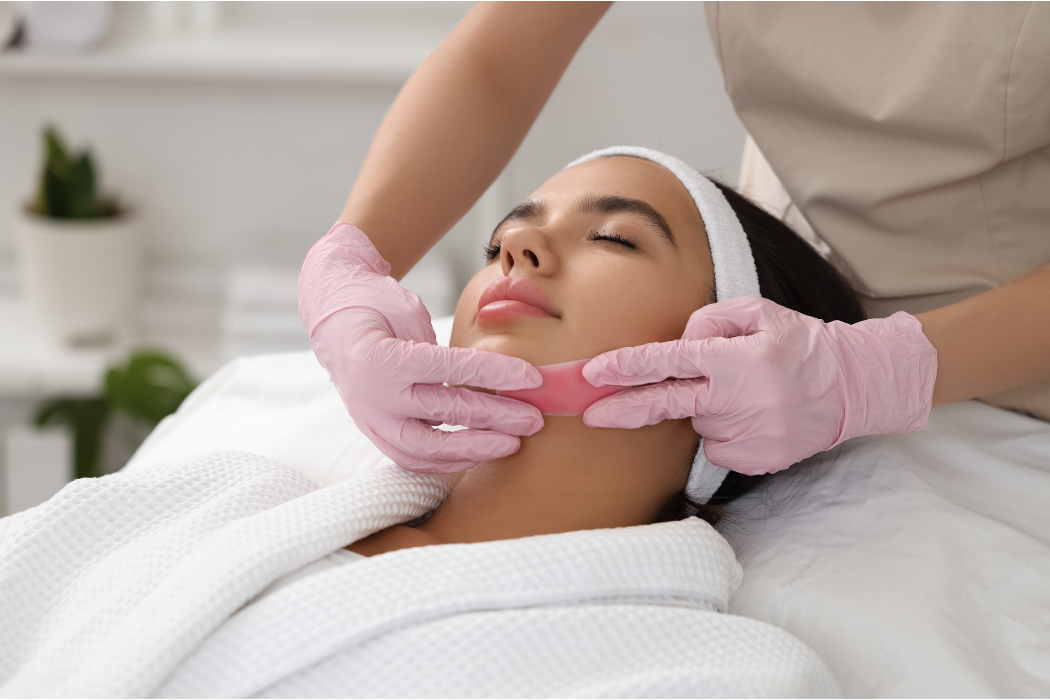
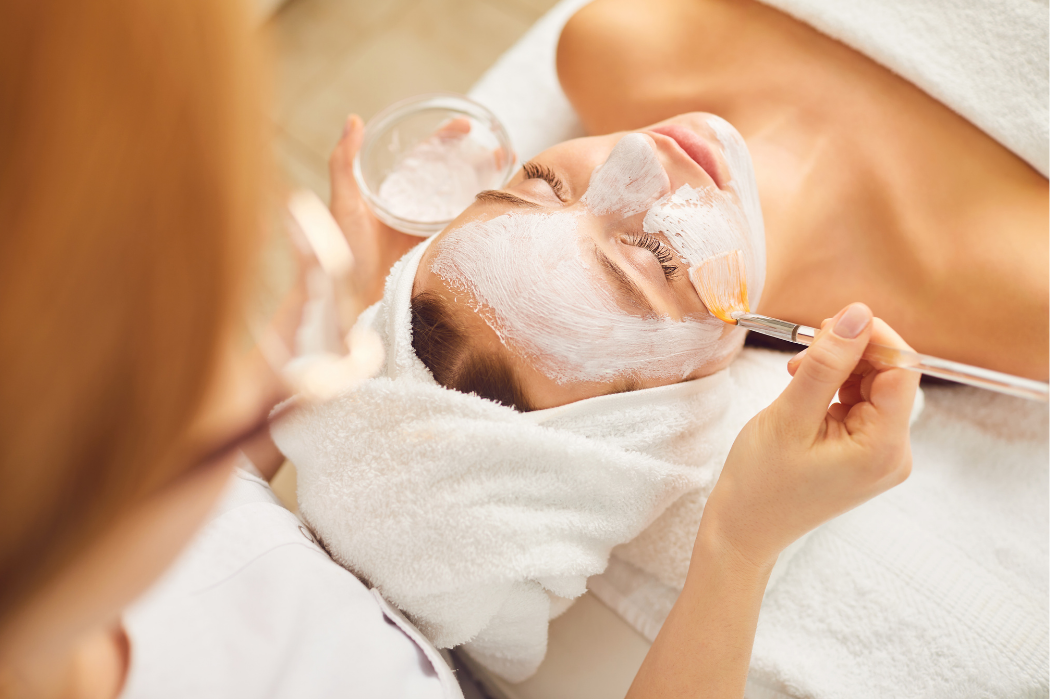
A facial should be customized to the skin in front of the esthetician, not selected solely because a treatment sounds advanced. Skin that is dry, sensitized, recently sunburned, or already using strong active ingredients may require a gentler plan.
Tell the esthetician about:
The American Academy of Dermatology’s guide to basic skin care emphasizes gentle cleansing, moisturizing, and sun protection. A professional facial can support those habits, but aggressive exfoliation is not automatically better.
If the skin is inflamed, painful, infected, or experiencing an unexplained rash, postpone cosmetic treatment and consult an appropriate healthcare professional.
One common post-facial mistake is replacing the entire home routine at once. If irritation appears, it becomes difficult to identify which product caused the problem.
Introduce recommended formulas individually and follow the usage instructions. A product intended for occasional use should not be applied daily simply because faster results sound appealing.
The FDA’s advice on using cosmetics safely includes reading labels, keeping containers clean, avoiding shared eye cosmetics, and discontinuing products that cause unexpected reactions.
Remember that “natural,” “organic,” and “hypoallergenic” do not guarantee that a formula will suit every person. Even botanical extracts and essential oils may irritate sensitive skin.
Massage can be a relaxing part of a self-care day, but the therapist needs accurate information. Disclose pregnancy, recent surgery, injuries, osteoporosis, blood-clot concerns, medications, or other conditions relevant to pressure and positioning.
The National Center for Complementary and Integrative Health offers a helpful overview of massage therapy and safety considerations. Although the risk of harm is generally low, vigorous techniques may not be appropriate for every person.
During the service, speak up about:
Relaxation should not require enduring discomfort. A skilled provider can adjust pressure, bolstering, or positioning based on feedback.
Manicures and pedicures can create a polished finish, but nail health depends on daily habits too. Picking off gel or enhancements can remove layers from the natural nail, while aggressive filing may leave nails thin and sensitive.
The FDA provides information about nail-care products and how cosmetic nail formulas are regulated. Report persistent redness, swelling, burning, or separation of the nail rather than covering the problem with another product.
At home:
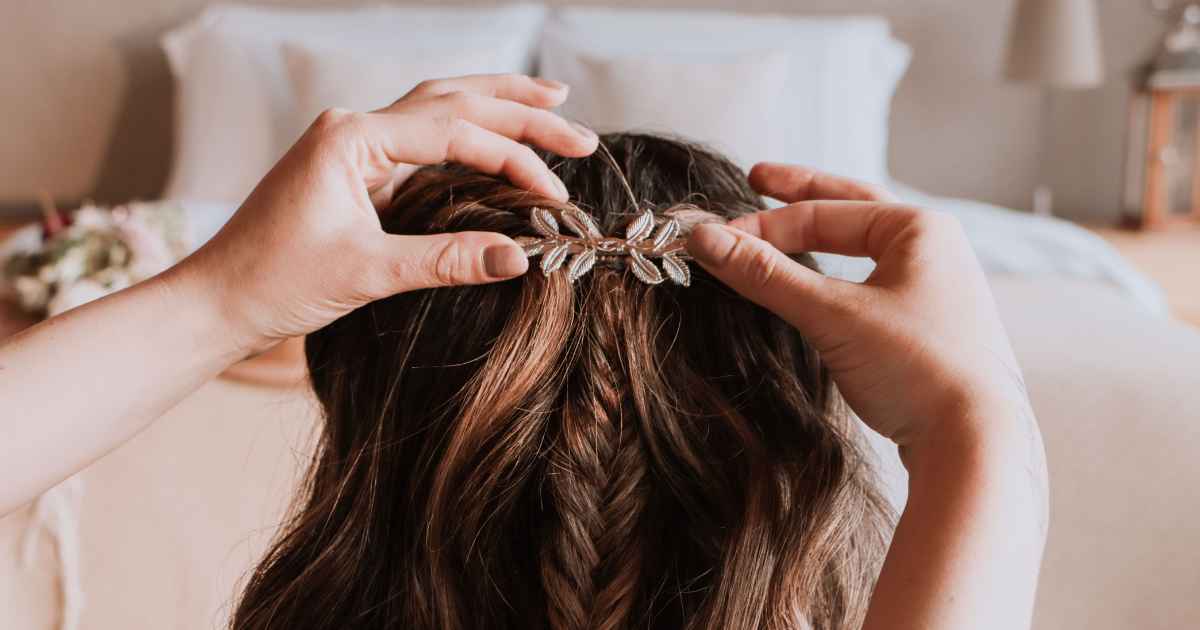
Wigs, toppers, hair pieces, extensions, and integration systems can create fullness and support confidence. They may be helpful for people experiencing thinning, medical hair loss, or temporary changes in density.
The fitting should prioritize comfort, secure but gentle attachment, ventilation, realistic maintenance, and protection of the natural hair underneath. A cosmetic hair solution does not reveal why hair loss is occurring.
The American Academy of Dermatology recommends medical evaluation for early signs of hair loss, which may include a widening part, thinner ponytail, bald patch, or receding hairline. Seeking a diagnosis does not prevent someone from using a wig or topper in the meantime.
If you want several treatments, ask the salon or spa to coordinate the sequence. There is no perfect order for every person, but these considerations can help:
This combination of salon, spa, and cosmetic hair support is available at Southwest Hair & Day Spa, which has served Fort Wayne for more than 25 years.
The Jefferson Boulevard location offers haircuts, color, blonding, extensions, hair treatments, hair-loss solutions, facials, massage, nails, waxing, lashes, brows, and permanent makeup. The company’s Southwest Hair & Co. location on Coventry Lane focuses on salon services.
Guests can use the provider-matchmaking quiz to explore professionals based on preferences, style, and personality. Service availability differs between locations, so confirm the provider, treatment, and required consultation before scheduling.
A successful beauty day does not need to address every concern at once. Choose services that support a clear goal, disclose information that may affect safety, and leave with a home routine you can realistically follow.
Hair and spa services can improve appearance, comfort, and confidence. When symptoms suggest a medical issue, professional healthcare should become part of the plan. The most restorative beauty routine is the one that respects both how you want to look and how your body currently feels.