Why Better Skin Needs a Plan Instead of a Treatment Pileup
Why Better Skin Needs a Plan Instead of a Treatment Pileup A responsible Medical spa should help patients build a staged plan for their skin,…

A responsible Medical spa should help patients build a staged plan for their skin, not encourage them to stack every trending procedure into the shortest possible calendar.
Modern aesthetics offers an impressive number of options. Facials, chemical peels, lasers, microneedling, radiofrequency treatments, injectables, and medical-grade skincare may all appear in the same social media feed.
That access can be exciting, but it also creates the idea that more treatments must produce faster results. Skin needs time to respond and recover. A thoughtful plan prioritizes one concern, respects healing, and measures progress before introducing the next procedure.
It is easy to become attached to a procedure name before knowing whether it matches your needs. Someone may request microneedling because a friend loved it, even though their primary concern might respond better to a different approach.
Begin by describing what you see and how long it has been present. Common aesthetic concerns include:
One person may have several concerns, but they do not all need to be addressed during the first visit. Prioritizing the most important issue makes it easier to select an appropriate treatment and evaluate the result.
Professional procedures cannot compensate for an inconsistent routine that repeatedly irritates the skin. Before adding an advanced treatment, establish a simple foundation.
For many people, that means:
Avoid introducing several strong products simultaneously. If burning, peeling, or a rash develops, it becomes difficult to identify which ingredient caused the reaction.
Persistent acne, changing moles, infections, unexplained rashes, or concerning skin lesions should be evaluated by an appropriate medical professional. A cosmetic treatment should not be used to cover a condition that needs diagnosis.
Procedures may appear similar in advertising while working through very different mechanisms. Understanding the basic categories can make a consultation more productive.
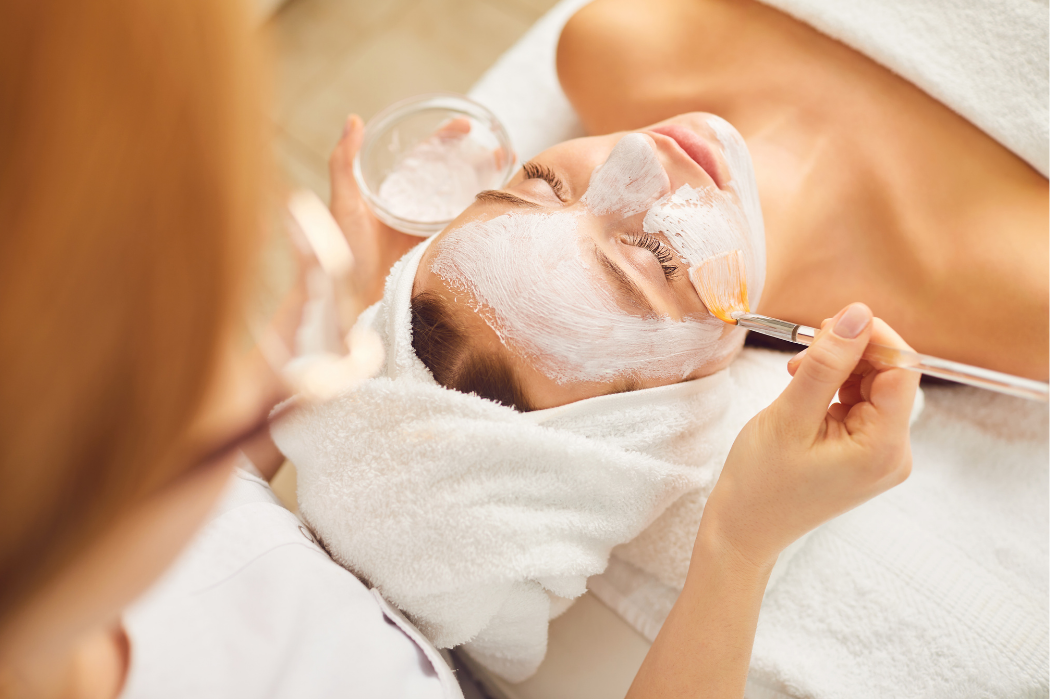
Customized facials may combine cleansing, exfoliation, extractions, hydration, massage, masks, or device-assisted treatments. They can improve the temporary appearance and feel of the skin, but the intensity should match its current condition.
A skin barrier that is already irritated by retinoids, acids, sun exposure, or over-cleansing may need a gentler facial rather than additional exfoliation.
Chemical peels use carefully selected solutions to remove layers of skin at a controlled depth. Peel strength, ingredients, preparation, recovery, and risk vary significantly.
The American Academy of Dermatology’s chemical peel guidance explains that some patients need a pre-peel skincare plan for several weeks. Proper preparation may improve results and reduce side effects.
At-home professional-strength peels should not be treated as harmless shortcuts. The FDA has warned consumers about using certain chemical peel products without professional supervision because high concentrations may cause serious skin injury.
Microneedling devices use small needles to create controlled punctures in the skin. Professional treatment may be considered for certain scars, uneven texture, and other concerns after an appropriate evaluation.
The AAD notes that microneedling preparation and aftercare may include pausing certain skincare ingredients and carefully protecting the skin from sunlight.
The FDA also advises patients to discuss the device, provider experience, expected benefits, risks, alternatives, sanitation, and recovery before undergoing microneedling treatment.
Laser and radiofrequency treatments use energy to address specific aesthetic concerns. Device choice and settings must account for skin type, treatment area, medical history, pigment response, and desired result.
Radiofrequency microneedling combines needle penetration with RF energy. The FDA issued a 2025 safety communication about certain uses of RF microneedling after reports of potentially serious complications.
Patients should ask which device will be used, why it is appropriate, what training the provider has, and how complications are recognized and managed.
Neurotoxins and dermal fillers are sometimes added to broader skin plans, but they do different things. Neurotoxins reduce targeted muscle activity, while fillers are medical devices used for approved volume and contour indications.
Injectables do not replace treatments designed for texture, pigment, or sun damage. Likewise, a facial or peel cannot create the same structural effect as a filler.
The FDA’s information about dermal filler risks and approved uses emphasizes the importance of choosing a licensed healthcare provider with relevant experience.
Online posts often reduce treatment recovery to phrases such as “no downtime” or “back to normal tomorrow.” Individual responses vary, and visible redness is only one part of healing.
Ask the provider to explain:
There is no universal spacing schedule for every combination. The correct timing depends on the procedure, treatment intensity, healing response, medical history, and provider guidance.
Retinoids, exfoliating acids, acne medications, scrubs, and certain brightening ingredients can affect treatment preparation and recovery. Always provide a complete product list, including prescriptions and items purchased online.
Do not stop a prescription medication solely because a beauty post recommends it. Ask the prescribing clinician and treatment provider for appropriate instructions.
A procedure may need to be postponed when skin is:
Postponement is not a failed treatment plan. It is often the safer decision.
Many aesthetic procedures temporarily make sun protection even more important. Ultraviolet exposure can contribute to premature skin aging and may increase the risk of unwanted pigment changes during recovery.
The American Academy of Dermatology recommends selecting a broad-spectrum, water-resistant sunscreen with SPF 30 or higher. Protective clothing, hats, shade, and appropriate reapplication also matter.
If you dislike the texture or appearance of your sunscreen, ask for alternatives rather than skipping it. The most useful sunscreen is one that meets protection guidelines and can be applied consistently.
Skin can look different depending on lighting, hydration, sleep, makeup, hormones, and camera settings. Checking for progress several times per day may create unnecessary frustration.
Use a simple tracking method:
One treatment may produce a gradual change rather than an immediate transformation. Waiting for an appropriate evaluation point reduces the temptation to add another procedure too quickly.
Aftercare instructions should explain what is expected and how to contact the practice. Increasing pain, spreading redness, fever, pus, blistering, changes in vision, unusual skin color changes, or other severe symptoms should not be managed through social media advice.
The American Academy of Dermatology stresses that cosmetic procedures require medical knowledge because complications can involve structures beneath the skin. Before treatment, confirm who will respond if a problem develops after business hours.
This staged, consultation-based approach is available at Inject Savannah, a medical aesthetics practice on Bull Street in Savannah, Georgia.
The practice is led by Kelly Rogers, NP-C, and offers consultations, neurotoxins, fillers, customized facials, chemical peels, DiamondGlow treatments, microneedling, RF microneedling, CoolPeel, PRP therapy, and medical-grade skincare.
Not every service is appropriate for every patient. A consultation allows the provider to review medical history, examine the treatment area, discuss goals, explain alternatives, and build a plan with realistic expectations.
A practical treatment plan can be organized into three phases:
Create a tolerable home routine, protect the skin from the sun, and address active medical concerns with an appropriate clinician.
Choose the procedure that most directly addresses the primary concern. Understand preparation, risks, recovery, cost, and expected results before proceeding.
Allow the skin to heal and respond. Compare photographs, discuss progress, and decide whether maintenance, another session, or a different approach makes sense.
Healthy aesthetic care is not a contest to complete the longest procedure list. Better skin often comes from consistent basics, carefully selected treatments, realistic spacing, sun protection, and a provider who is willing to say that the next step should wait.