Bridal Spray Tan in Denver, CO: A Wedding Glow Guide
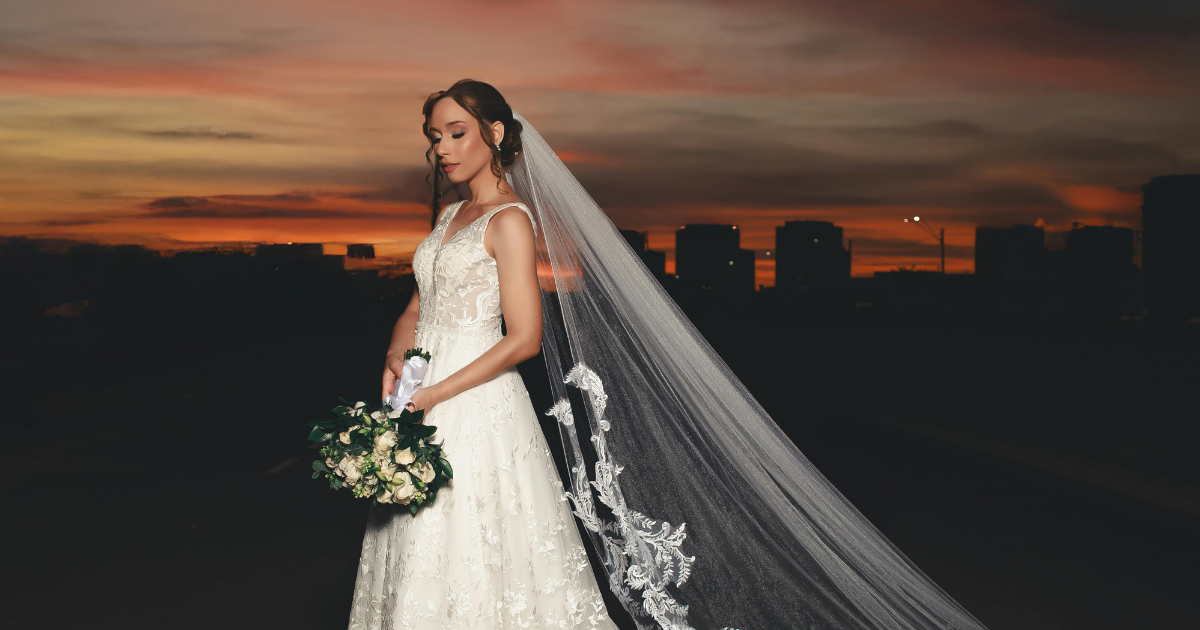
Bridal spray tan in Denver, CO offers a customizable way to create an even, sun-kissed appearance without spending the days before a wedding tanning outdoors…

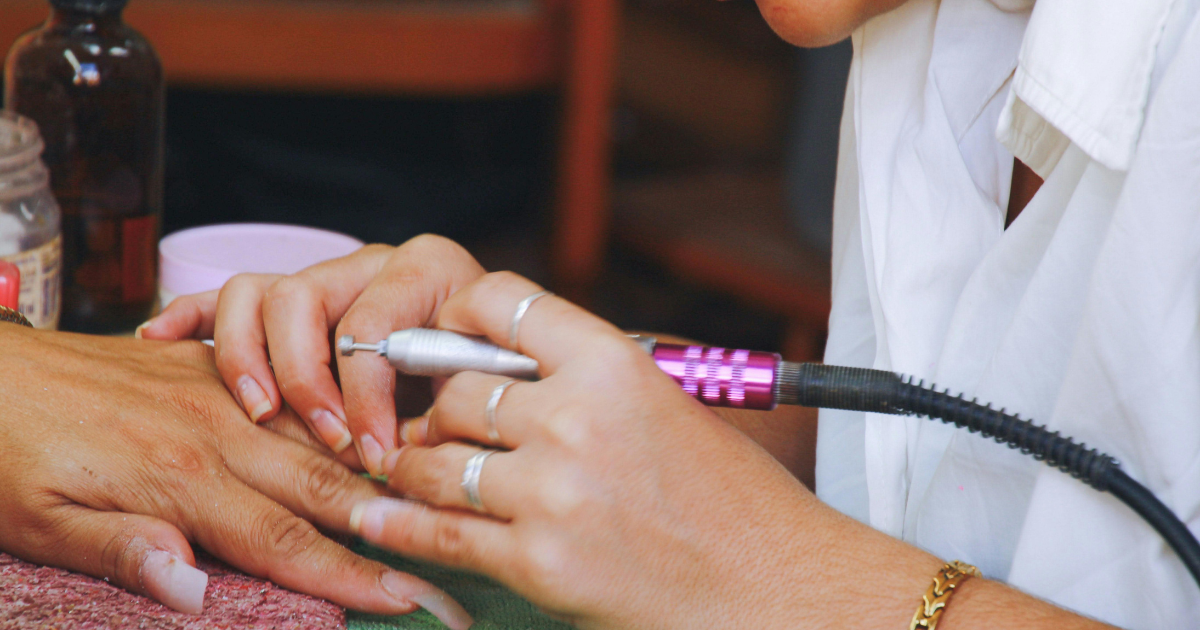
Nail services in Greene, ME can offer more than a fresh color or special-event design. A thoughtfully selected manicure or pedicure can support regular grooming, improve the appearance of hands and feet, and provide a relaxing pause in a busy routine.
The key is choosing a service that matches the current condition of your nails, the amount of maintenance you want, and how you use your hands or feet every day. A classic manicure, structured gel overlay, powder polish, and sports manicure all serve different purposes.
Nails are made primarily from keratin, a strong protein also found in hair and the outer layer of skin. The visible nail plate grows from living tissue beneath the skin, which means its condition can be influenced by repeated trauma, product exposure, moisture, and health conditions.
Basic nail care should focus on maintaining a comfortable length, smoothing rough edges, moisturizing the surrounding skin, and avoiding unnecessary damage. The American Academy of Dermatology’s manicure and pedicure safety guidance recommends moisturizing nails and treating cuticles gently because cutting or forcefully pushing them back can increase the risk of inflammation or infection.
A manicure should feel comfortable. Sharp pain, bleeding, burning, or aggressive filing should not be treated as a normal part of the process.
Before selecting a service, ask yourself a few practical questions:
A trained nail technician can help explain cosmetic options, but a salon service is not a substitute for medical diagnosis or treatment. Persistent changes may need evaluation by a dermatologist, podiatrist, or another healthcare professional.
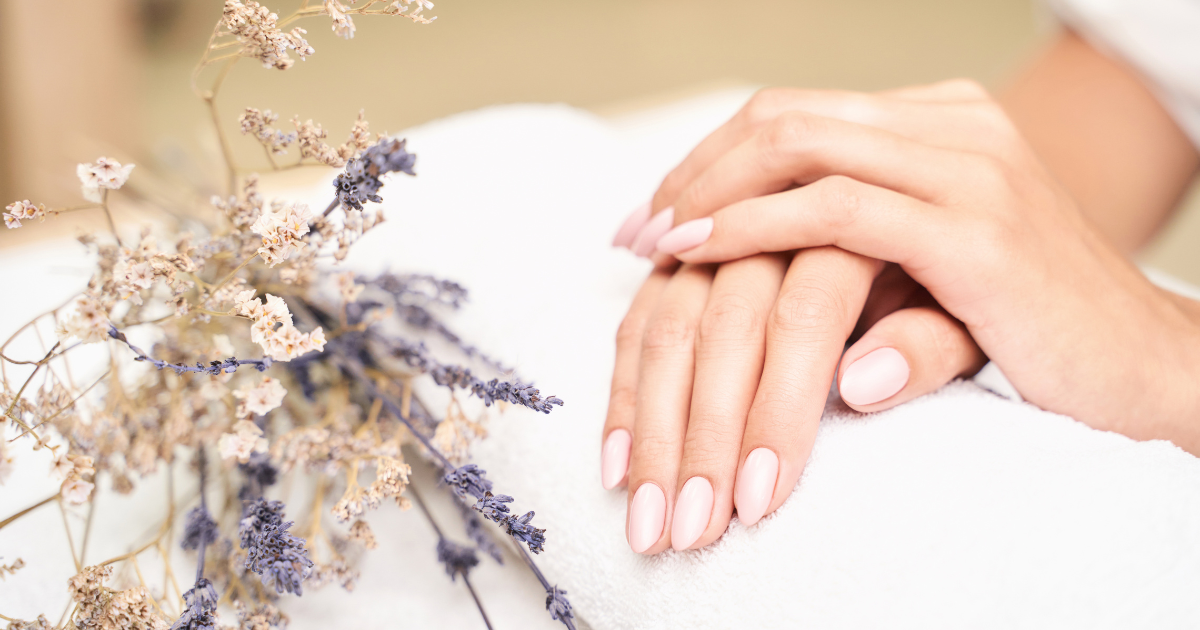
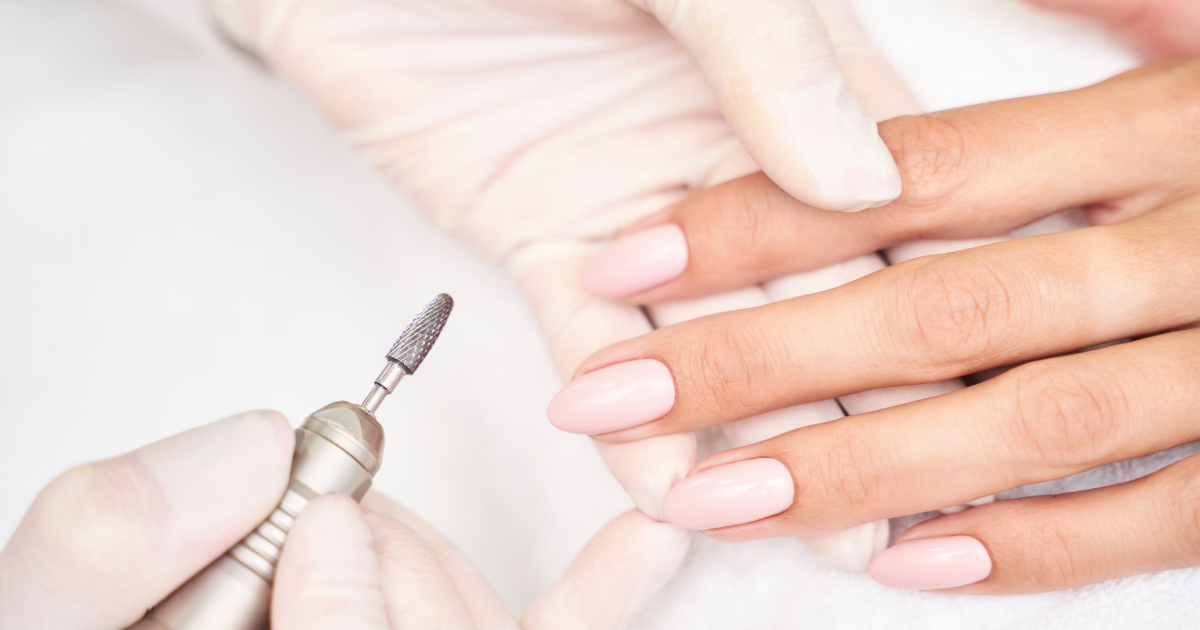
A classic manicure is a practical choice for anyone who wants tidy, polished nails without adding extensions or a more involved enhancement system. The service generally includes trimming, shaping, gentle cuticle care, moisturizing massage, and traditional polish.
Traditional lacquer offers flexibility because it can be removed and changed relatively easily. It may be ideal for:
The finish may not last as long as cured gel or powder systems, but easy color changes are part of its appeal.
Structured gel is applied over the natural nail to create additional support, shape, and balance. Unlike a thin color-only gel manicure, a structured overlay is built with an apex—the slightly thicker area positioned to help support the nail.
It may appeal to clients who:
Structured gel can also be used with added length. However, greater length creates additional leverage when the nail hits a surface. Choosing a realistic shape and length for your occupation, hobbies, and daily routine can reduce unnecessary stress.
Elite Body Essentials is a scent-free salon and does not offer acrylic services. Its alternatives include structured gel sets and powder polish, with or without added length.
As natural nails grow, the enhancement moves forward and the balance of the structure changes. A fill appointment allows the technician to address the new growth, inspect the existing product, repair damage, and rebuild the shape where necessary.
The correct interval depends on nail growth, lifestyle, length, and the condition of the enhancement. Waiting too long may leave the nail vulnerable to lifting or breakage.
Contact the salon before the next appointment if you notice:
Do not glue down a lifted enhancement or cover a suspicious area with polish. Trapped moisture and continued wear can make it harder to assess what is happening beneath the product.
Powder polish is built in layers to create a glossy, durable coating. It can be applied over the natural nail or combined with tips for additional length.
This option may work well for clients who want long-lasting color and more reinforcement than traditional lacquer provides. It still requires appropriate removal and maintenance.
The U.S. Food and Drug Administration’s information about nail care products explains that cosmetic nail ingredients should be used according to labeled directions. Some individuals can develop irritation or allergic reactions to ingredients used in enhancement systems, including certain methacrylates.
Tell your technician if a previous service caused redness, swelling, itching, blistering, or pain around the nails. Repeated exposure after a suspected allergic reaction can worsen sensitivity.
Gel polish is applied similarly to traditional polish but cured under an LED or ultraviolet lamp. It offers quick curing, glossy color, and greater resistance to everyday chipping.
The longer wear can be convenient, but proper removal matters. Peeling gel from the nail can remove surface layers of the nail plate, leaving it thinner and more vulnerable to splitting.
The American Academy of Dermatology’s gel manicure recommendations advise against picking off the product. The organization also recommends applying broad-spectrum sunscreen to the hands or using dark, fingerless protective gloves before exposure to a curing lamp.
Clients who experience recurring brittleness, peeling, or irritation may benefit from switching to traditional polish or taking a break between gel services.
Not every manicure needs color. A sports manicure focuses on trimming, shaping, cuticle cleanup, and hydration without applying polish.
This straightforward service suits:
Short, smoothly filed nails can be easier to manage during physical work and may be less likely to snag or split.
A classic pedicure covers routine grooming and relaxation, while a spa pedicure adds more extensive exfoliation, a mask, warm towels, and additional moisturizing care. A sports pedicure focuses on practical maintenance without requiring polish.
The best choice depends on whether the priority is:
A pedicure can improve the appearance and feel of the feet, but technicians should not remove calluses so aggressively that the skin becomes raw or painful. Calluses develop partly as protection against pressure and friction, so footwear and activity patterns may also need attention.
A waterless pedicure skips the traditional foot soak. Nails are shaped and the surrounding skin is cared for while dry, allowing the technician to see callused areas and nail structure without temporary water-related swelling.
Some clients choose this approach because they prefer a dry service, have sensitive skin, or want to avoid communal soaking equipment. It does not eliminate the need for tool sanitation, surface disinfection, or careful technique.
The U.S. Environmental Protection Agency provides resources for safer nail salon practices, including ventilation, product handling, and foot-spa sanitation. These precautions support both clients and technicians.
Elite Body Essentials offers a Medi Pedi for clients who want additional cosmetic attention for concerns such as thickened toenails, cracked heels, stubborn calluses, or ingrown nail discomfort. Despite the name, it remains a salon service rather than medical treatment.
A salon technician cannot diagnose or treat fungal infections, circulation problems, neuropathy, open wounds, or serious ingrown nails. Those concerns belong with a podiatrist, dermatologist, or another qualified medical professional.
Possible signs of nail fungus include thickening, crumbling, lifting, and white, yellow, or brown discoloration. The American Academy of Dermatology’s overview of nail fungus symptoms explains that toenail infections are more common than fingernail infections and may eventually cause discomfort.
Do not cover a suspected infection with an enhancement. Elite Body Essentials states that it may refer clients to a podiatrist when nails appear to show signs of fungus.
Anyone with diabetes should tell the technician before a pedicure. Diabetes can be associated with reduced sensation, slower healing, circulation problems, and an increased risk of complications from small injuries.
The CDC’s diabetic foot-health guidance encourages regular professional foot examinations and prompt medical attention for wounds, redness, swelling, pain, or nail changes.
Clients who have neuropathy, poor circulation, an active wound, or a history of diabetic foot complications should ask their medical provider whether a salon pedicure is appropriate. A cosmetic service should never replace medically necessary foot care.
Paraffin wax is a warm cosmetic treatment used to soften dry-feeling skin on the hands or feet. The warmth can feel relaxing, while the wax helps hold moisturizer against the skin.
It should not be applied over open cuts, active rashes, infections, or areas with reduced sensation unless a healthcare professional has said the treatment is appropriate. Clients should always speak up if the temperature feels uncomfortable.
Other add-ons, such as targeted callus treatments, nail repair, polish changes, and nail art, allow an appointment to be adjusted to current needs without automatically booking the most elaborate service.
Enhancements should not be pulled, peeled, or pried from the nail. Safe removal may require controlled filing, soaking, or a combination of methods depending on the product.
Professional removal gives the technician an opportunity to reduce the product gradually and avoid unnecessary scraping. After removal:
Elite Body Essentials provides manicures, pedicures, structured gel, powder polish, gel polish, sports grooming, waterless pedicures, nail art, repairs, removals, and moisturizing add-ons at 697A Route 202 in Greene, Maine.
The salon serves clients from Greene, Lewiston, Auburn, and surrounding Central Maine communities. When booking, guests should mention existing enhancements, a foreign fill, damaged nails, medical considerations, or detailed nail-art requests so the salon can reserve the appropriate service and time.
Beautiful nails do not require choosing the strongest or longest-lasting option every time. The right service is the one that fits your natural nails, personal style, daily workload, and willingness to maintain it.
Classic polish offers flexibility. Gel provides longer-lasting shine. Structured gel adds support and shape. Sports services keep grooming simple, while spa and waterless pedicures offer different approaches to foot care and relaxation.
By choosing thoughtfully, following a maintenance schedule, and seeking medical care when a nail concern goes beyond cosmetic treatment, clients can enjoy polished results without losing sight of long-term nail and skin health.