Massage Therapy in Kennett Square PA: Choosing the Right Experience
Massage therapy in Kennett Square PA can offer a welcome pause from a demanding routine while giving clients a personalized way to address everyday stress,…

Massage therapy in Kennett Square PA can offer a welcome pause from a demanding routine while giving clients a personalized way to address everyday stress, muscle tension, or the simple need to slow down.
Massage is often treated as an occasional luxury, but it can also be part of a thoughtful wellness routine. A session creates intentional time away from screens, responsibilities, and constant movement. Depending on the massage style, it may focus on general relaxation, specific areas of muscular tension, gentle lymphatic techniques, aromatic oils, or soothing heat.
The most important step is choosing an experience that matches your goals and health needs. A massage that feels perfect for someone seeking quiet relaxation may not be appropriate for a client managing an injury, swelling, skin sensitivity, or another medical concern.
Massage therapy involves manipulating the body’s soft tissues through techniques such as stroking, kneading, sustained pressure, and gentle movement. The exact approach depends on the therapist’s training, the service selected, and the preferences discussed during the consultation.
The National Center for Complementary and Integrative Health explains that massage is used to enhance wellness or help manage certain health concerns. Research has explored its potential role in short-term relief for some types of pain, including neck, shoulder, and lower-back discomfort, although the strength of evidence varies.
Massage should not be presented as a cure for an illness or a substitute for medical care. Persistent pain, unexplained swelling, numbness, fever, or a recent injury should be evaluated by a healthcare professional. Massage may complement an existing care plan when a medical provider agrees that it is appropriate.
A brief conversation before the session helps the massage therapist understand what the client wants and identify areas that may require additional care or should be avoided.
Clients should be prepared to discuss:
Communication should continue throughout the massage. Pressure should feel purposeful but manageable. Clients can always request a lighter touch, more attention to a specific area, a change in temperature, or a pause in the service.
Massage menus can feel confusing because the services may sound similar at first. Understanding how each option is typically approached can make selecting an appointment easier.
A customized massage allows the therapist to blend techniques based on what the client’s body needs that day. One session might focus on the neck, shoulders, and upper back after long hours at a desk. Another may use more flowing movements to encourage overall relaxation.
This option can work well for first-time clients who are unsure which technique to select. It also suits regular massage guests whose needs change from one appointment to the next.
The Cleveland Clinic’s guide to massage styles notes that therapists may combine techniques instead of treating every massage category as completely separate. A personalized approach can help balance relaxation with focused muscle work.
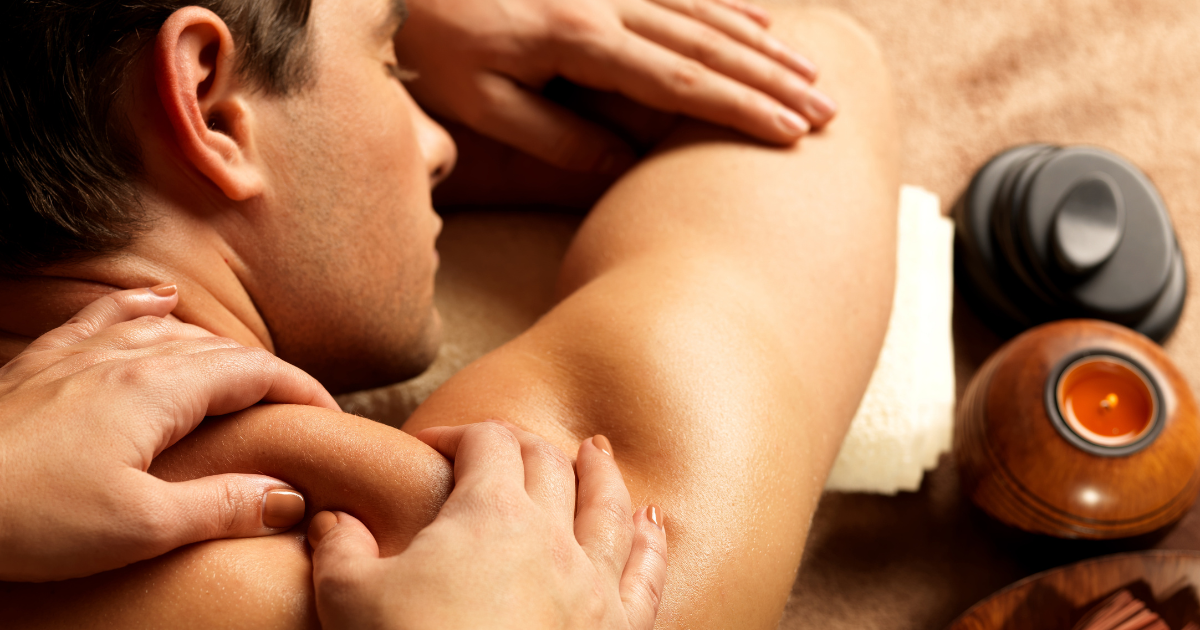
Hot stone massage incorporates smooth, heated stones into a traditional massage. The warmth can create a comforting sensation and may help the client relax while the therapist works on areas of tightness.
Temperature matters. Stones should feel pleasantly warm rather than painfully hot. Clients with reduced temperature sensitivity, certain circulatory conditions, diabetes-related nerve changes, or sensitive skin should discuss those concerns before booking.
A hot stone session may appeal to someone who enjoys warmth, wants a deeply calming atmosphere, or finds that muscles feel more receptive after gentle heat. It may not be the right choice for every client, particularly when heat is medically restricted.
Lymphatic drainage is different from a firm deep-tissue massage. It generally uses light, rhythmic movements intended to encourage the movement of lymphatic fluid. The technique may be used in wellness settings, but it also has clinical applications for people managing lymphedema under appropriate medical guidance.
According to the Cleveland Clinic’s overview of lymphatic drainage massage, the service is not appropriate for everyone. People with blood clots, deep vein thrombosis, cellulitis, fever, infection, certain heart conditions, kidney failure, or other significant health concerns should consult their healthcare provider first.
Anyone seeking lymphatic drainage following surgery or medical treatment should obtain clearance from the treating physician and confirm that the therapist has suitable training for the client’s circumstances.
Aromatherapy massage combines touch with essential oils selected for their fragrance and the atmosphere they help create. Scents may feel energizing, refreshing, grounding, or calming, making the experience especially appealing to clients who enjoy sensory wellness rituals.
The National Center for Complementary and Integrative Health describes aromatherapy as the inhalation or diluted topical use of plant-derived essential oils. Research into specific health benefits remains limited, so aromatherapy is best viewed as a complementary part of the massage experience rather than a treatment for a medical condition.
Clients should disclose fragrance sensitivity, asthma, allergies, pregnancy, or previous skin reactions. Essential oils should be properly diluted before skin application, and a client should never feel uncomfortable requesting an unscented alternative.
Reflexology focuses on applying pressure to specific areas of the feet. Many clients choose it because they find foot-focused work relaxing, especially when they spend long hours standing, walking, or wearing restrictive footwear.
Some reflexology traditions associate points on the feet with other areas of the body. Scientific evidence does not establish reflexology as a cure or diagnostic method for disease, but clients may still enjoy it as a relaxing wellness service.
People with foot injuries, open wounds, active infections, severe swelling, or circulation concerns should speak with a healthcare provider before scheduling foot-focused massage.
The ideal length depends on how much of the body needs attention and how quickly the client tends to relax.
A longer session is not automatically better. Someone new to massage, sensitive to pressure, or short on time may prefer a shorter appointment. Regular massage clients often choose longer sessions when they want both focused work and an unhurried relaxation experience.
Small additions can change the mood and focus of a massage. Hot stones can add warmth, while aromatherapy creates a more fragrance-centered experience. A foot scrub can exfoliate and soften the feet before moisturizing products are applied.
A warm peppermint-oil scalp massage may create a cooling, refreshing sensation, while a cold-stone facial massage provides a soothing contrast to heated treatments. Brief reflexology can also be added when a client wants extra attention on the feet without selecting a full reflexology service.
Salon Secrets Spa offers customized massage sessions in Kennett Square alongside verified signature options that include hot stone massage, lymphatic drainage massage, aromatherapy massage, and reflexology. Its menu also includes optional hot stones, aromatherapy, a foot scrub, a warm peppermint-oil scalp massage, cold-stone facial massage, and reflexology add-ons.
The salon describes its approach as a blend of targeted techniques, personalized pressure, and Aveda aromas selected following a brief consultation. Clients can choose from several appointment lengths based on the time and level of attention they prefer.
A little preparation can make the session feel more comfortable and relaxing.
Clients generally undress only to their personal comfort level. Professional draping keeps areas covered except for the part of the body being worked on. Boundaries should be respected throughout the appointment, and consent can be withdrawn at any time.
Many people leave a massage feeling calm, refreshed, or more aware of areas where they habitually hold tension. Mild temporary soreness can occur, particularly after concentrated muscle work, but severe or persistent pain is not an expected wellness outcome.
After the appointment, move gently and notice how the body responds. Follow any individualized instructions from the therapist or healthcare provider. Seek medical advice if unusual symptoms develop or if an existing health concern becomes worse.
Clients can also verify professional credentials through the official Pennsylvania Licensing System. Training and licensing are especially important when massage is being considered for a client with medical conditions, recent surgery, or ongoing pain.
Massage works best when expectations remain realistic. It can provide restorative personal time, encourage relaxation, and help some people manage everyday muscular tension. It cannot replace medical diagnosis, physical therapy, appropriate exercise, sleep, or treatment prescribed by a healthcare professional.
The right experience depends on the individual. One client may prefer soothing aromas and gentle pressure, while another may benefit from focused work on the shoulders and upper back. Someone else may simply need a quiet hour in which nothing is expected of them.
By choosing a suitable massage style, sharing relevant health information, and communicating openly with the therapist, clients can create an experience that feels safe, personal, and genuinely restorative.