The Best Haircut Is One That Works on an Ordinary Morning
The Best Haircut Is One That Works on an Ordinary Morning Personalized haircuts and styling should make everyday hair care feel more manageable, not create…

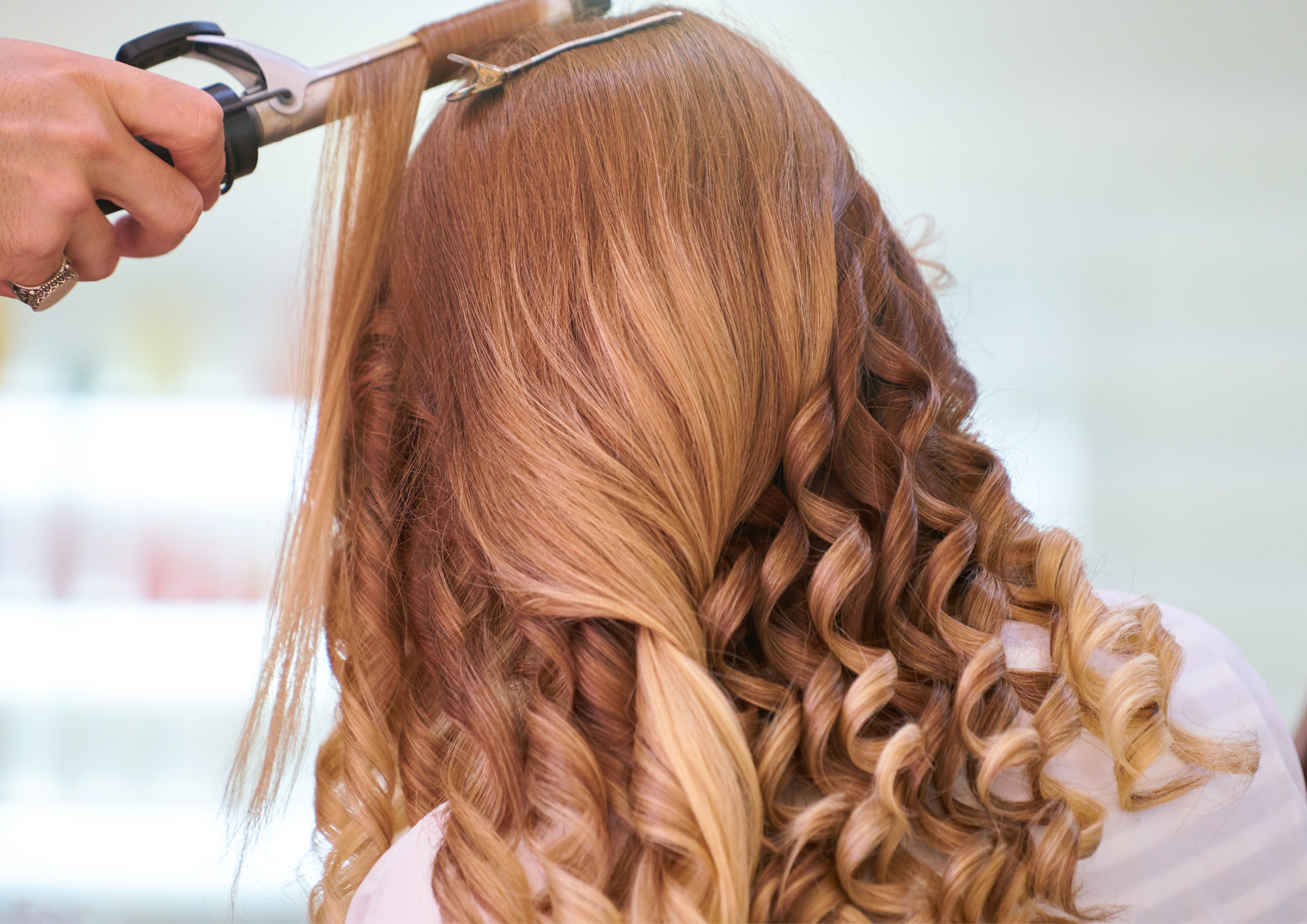
Custom haircuts and styling can simplify a daily routine by matching the shape of a haircut to the client’s hair texture, density, lifestyle, and preferred level of maintenance. A haircut may look beautiful when someone leaves the salon, but its real value becomes clear in the following weeks. The best designs remain manageable at home, grow out intentionally, and give the client more styling options rather than creating another complicated task.
That practical approach fits naturally into a beauty and wellness routine. Hair care should not require fighting against natural texture every morning. With thoughtful planning, a haircut can work with the hair’s movement, make damaged ends easier to manage, and reduce the amount of time spent relying on hot tools.
Before discussing layers, bangs, or overall length, it helps to talk about how the client actually lives. Someone who enjoys spending time on a polished blowout may want a different shape from someone who prefers to wash, apply one product, and air-dry.
A useful consultation can cover questions such as:
These questions turn a general idea into a realistic plan. A photograph can still be helpful, but it should start a conversation rather than function as an exact instruction. The person in the image may have a different curl pattern, density, growth pattern, or styling routine.
Hair texture commonly refers to whether strands are straight, wavy, curly, or coily. Density describes how much hair is present across the scalp. Individual strands may also be fine, medium, or coarse. These qualities combine in many ways, which is why broad labels rarely tell the entire story.
For example, a person can have fine individual strands but very high density. The hair may feel heavy even though each strand is delicate. Another person may have coarse strands with lower density, requiring careful placement of layers to preserve visual fullness.
The American Academy of Dermatology’s healthy hair guidance recommends learning your hair type and choosing routines and products suited to it. That same principle applies to haircut design. The stylist should observe how the hair falls naturally instead of relying only on how it behaves when stretched, wet, or freshly blown out.
A haircut changes how weight is distributed. Removing weight from the right places may encourage movement, help curls form more freely, or prevent thick hair from feeling overly triangular. Preserving weight can also be important, especially when the ends appear thin or the client wants a stronger outline.
Layers are not automatically necessary for every cut. They can add movement, release bulk, or create volume, but too many short layers may make some hair types harder to control. The most useful question is not simply whether to add layers, but what those layers are expected to accomplish.
Length influences drying time, styling options, tangling, and how easily hair can be tied back. A client who regularly wears a ponytail may want to preserve enough length around the face to keep shorter pieces secure. Someone who air-dries curly hair may need to account for shrinkage before deciding where the finished shape should sit.
Bangs can transform a haircut, but they often require more frequent trimming and daily attention. Growth patterns, forehead shape, oiliness, and weather can all influence how a fringe behaves. Discussing those factors in advance helps a client choose between a full fringe, curtain shape, side-swept design, or longer face-framing pieces.
Hair styling does not have to be completely heat-free to be thoughtful. The goal is to avoid unnecessary exposure and use tools deliberately. A well-shaped haircut may help because the client does not need to repeatedly force the hair into a form that conflicts with its natural behavior.
A study available through the National Library of Medicine found that increasing the distance between a hair dryer and the hair reduced surface damage under the conditions tested. The researchers also observed less damage when the dryer was kept moving rather than held in one place.
For day-to-day styling, practical habits include:
The American Academy of Dermatology also outlines common styling habits that can damage hair, including rough towel drying, excessive heat, aggressive brushing, and repeated pulling. Small changes to technique can therefore be just as valuable as buying additional products.
Regular trims can remove split, frayed, or uneven ends, making the hair look fuller and feel smoother. They may also prevent an existing split from traveling farther up a strand. However, cutting the ends does not change the biological rate at which hair grows from the follicle.
The ideal trimming schedule is individual. A short, precise shape may need attention sooner than long hair with a softer outline. Chemically treated hair, frequent heat styling, and mechanical wear can also influence how quickly the ends begin to look weathered.
Rather than following an arbitrary calendar, watch for signs such as:
A haircut can remove compromised ends, but it cannot correct every reason hair feels dry or fragile. Washing habits, climate, chemical services, heat exposure, nutrition, health conditions, and product selection can all affect how hair looks and feels.
MedlinePlus guidance on dry hair lists excessive washing, blow-drying, climate, and certain health-related factors among possible causes. It recommends gentle care and advises contacting a healthcare professional when dryness does not improve or occurs with hair loss, breakage, or other unexplained symptoms.
Stylists can observe visible changes and recommend gentler grooming, but they do not diagnose medical conditions. Sudden shedding, patchy loss, scalp pain, persistent itching, or unexplained changes deserve evaluation by a qualified medical professional. The Mayo Clinic’s overview of hair loss notes that sudden or patchy loss can sometimes indicate an underlying condition requiring attention.
A hairstyle that feels painful or creates constant scalp tension is not merely uncomfortable. Frequently wearing tightly pulled styles can contribute to traction alopecia, a form of hair loss caused by repeated pulling.
The American Academy of Dermatology’s traction alopecia resource recommends loosening styles that pull and changing hairstyles regularly to give the hair a break. A customized cut can support this goal by offering wearable options that do not depend on tight ponytails, buns, braids, or extensions every day.
Clients who must secure their hair for work, exercise, or other activities should mention that during the consultation. The stylist can then preserve the right lengths, suggest lower-tension options, and avoid creating short pieces that require excessive pinning or pulling.
A finished style is most helpful when the client understands how it was created. Before leaving, ask the stylist to explain the essential steps rather than trying to memorize every movement.
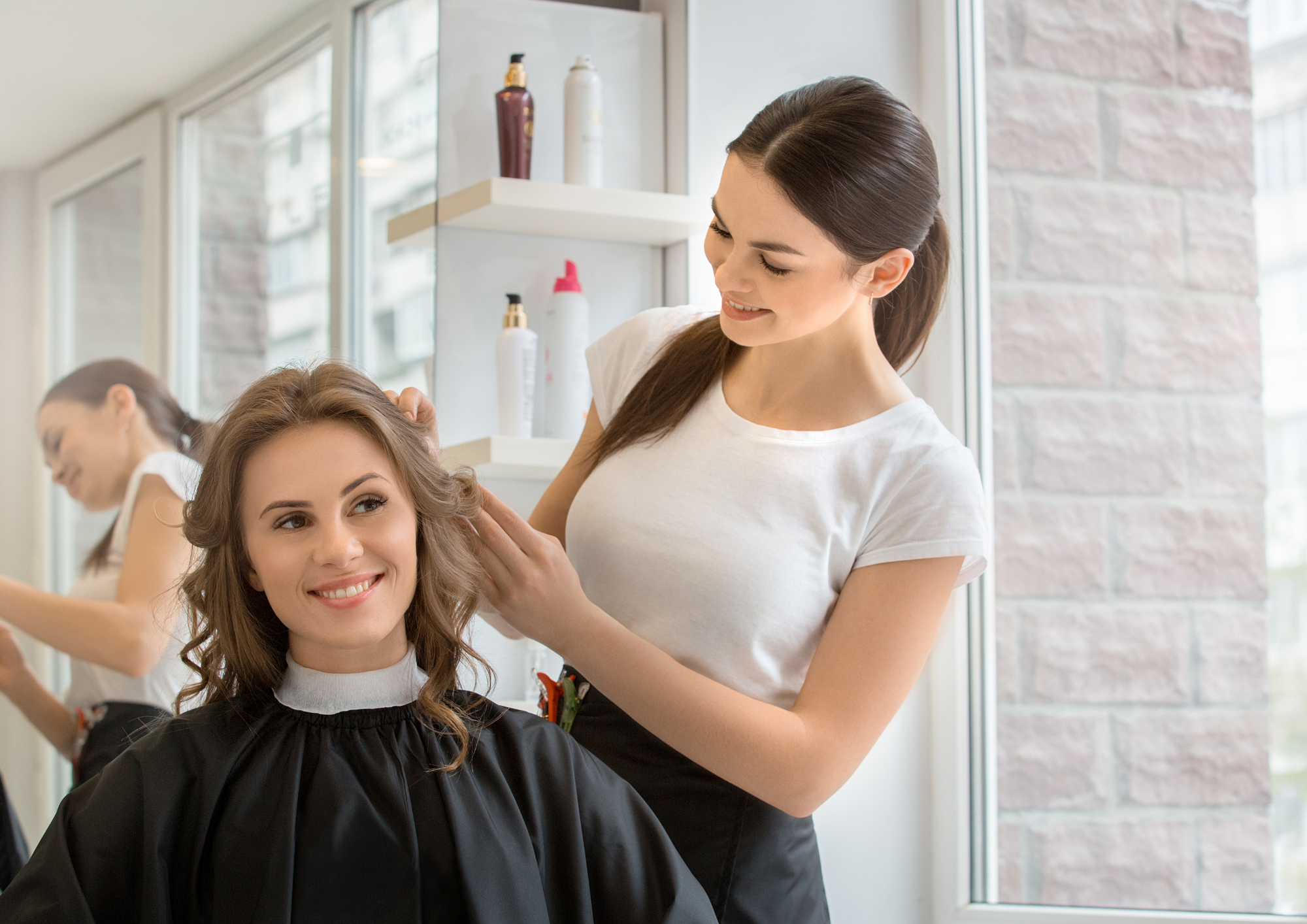
At Forever Young Salon, the service conversation can help connect the desired look with a routine the client can comfortably repeat. That exchange matters because even an expertly executed cut should make sense outside the salon chair.
Wellness also includes feeling confident about the service environment. Clean hands, sanitized tools, fresh linens, and orderly stations are basic parts of professional care. The Centers for Disease Control and Prevention identifies hand hygiene as an effective and affordable way to reduce the spread of germs in workplaces.
Clients should feel comfortable asking how tools and surfaces are cleaned. Transparent answers build trust and show that attention to detail extends beyond the visible haircut.
Trends can provide inspiration, but a lasting haircut reflects the person wearing it. Texture, density, face-framing preferences, work requirements, styling skill, and maintenance habits all deserve consideration.
Before making a major change, bring reference images, explain what you like about them, and describe what your hair normally does at home. Be honest about how much time you want to spend styling. A collaborative consultation can then translate inspiration into a shape that feels attractive, comfortable, and sustainable.
Ultimately, a good haircut does more than create a new look for one day. It can reduce daily frustration, encourage gentler styling, and make personal care feel more manageable. That combination of beauty, practicality, and confidence is what turns a salon service into a meaningful part of a healthy routine.