Smooth Moves: Waxing Services in Kansas City, MO
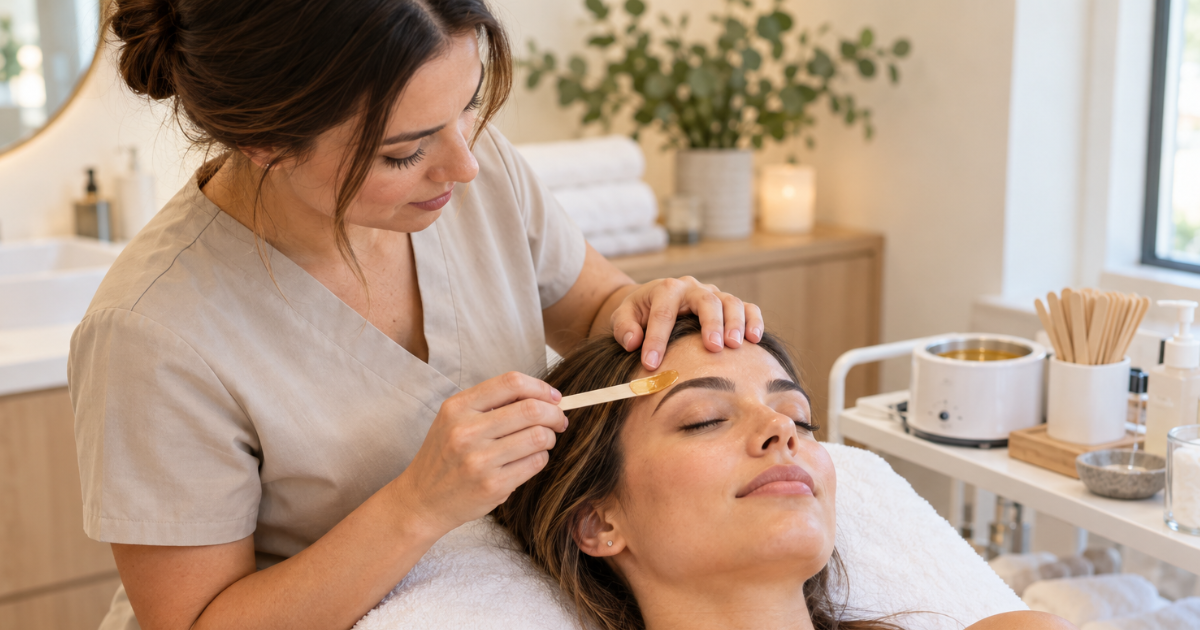
Unwanted hair is completely normal, but managing it does not have to become a daily chore. Professional waxing services in Kansas City, MO offer longer-lasting…

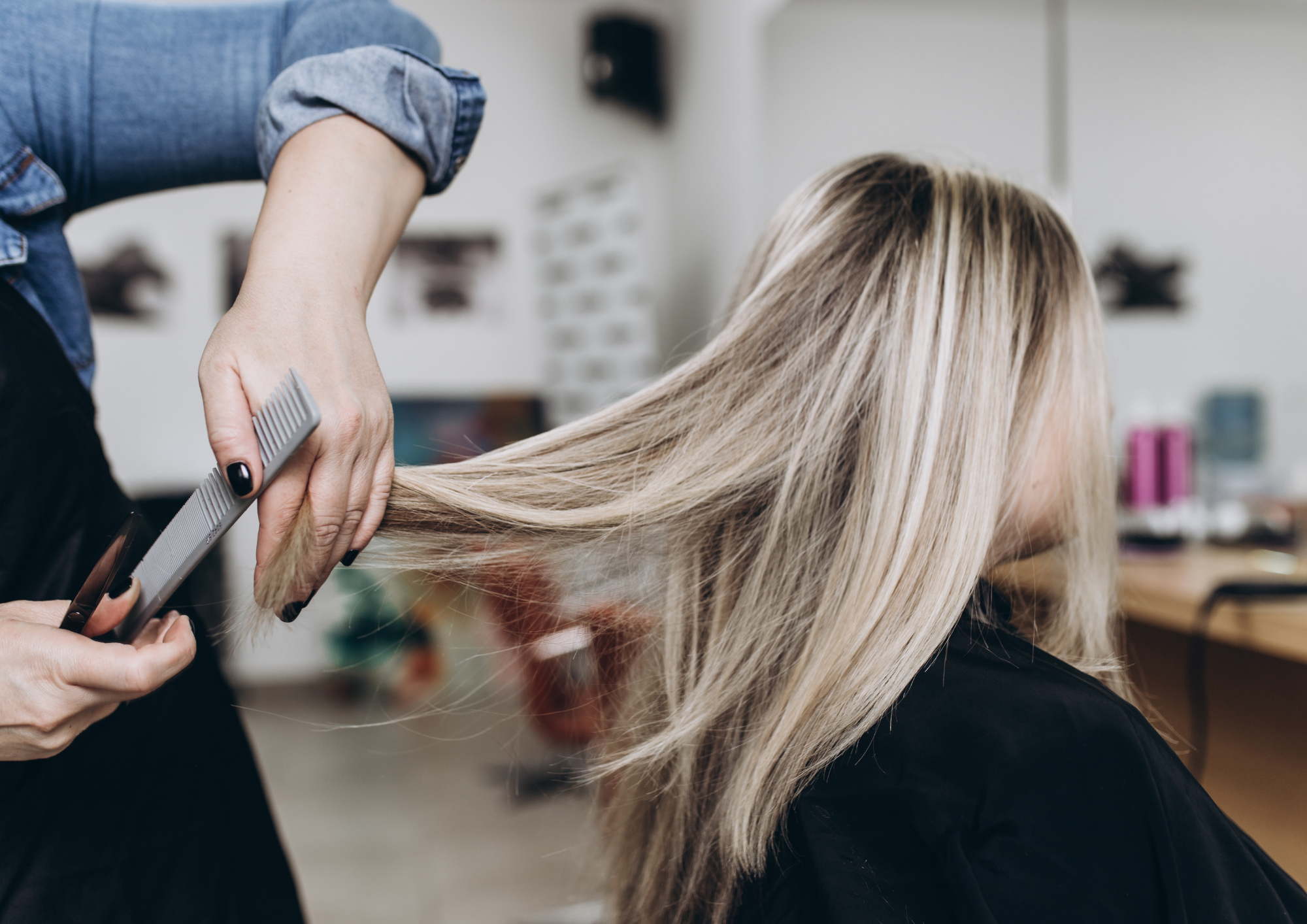
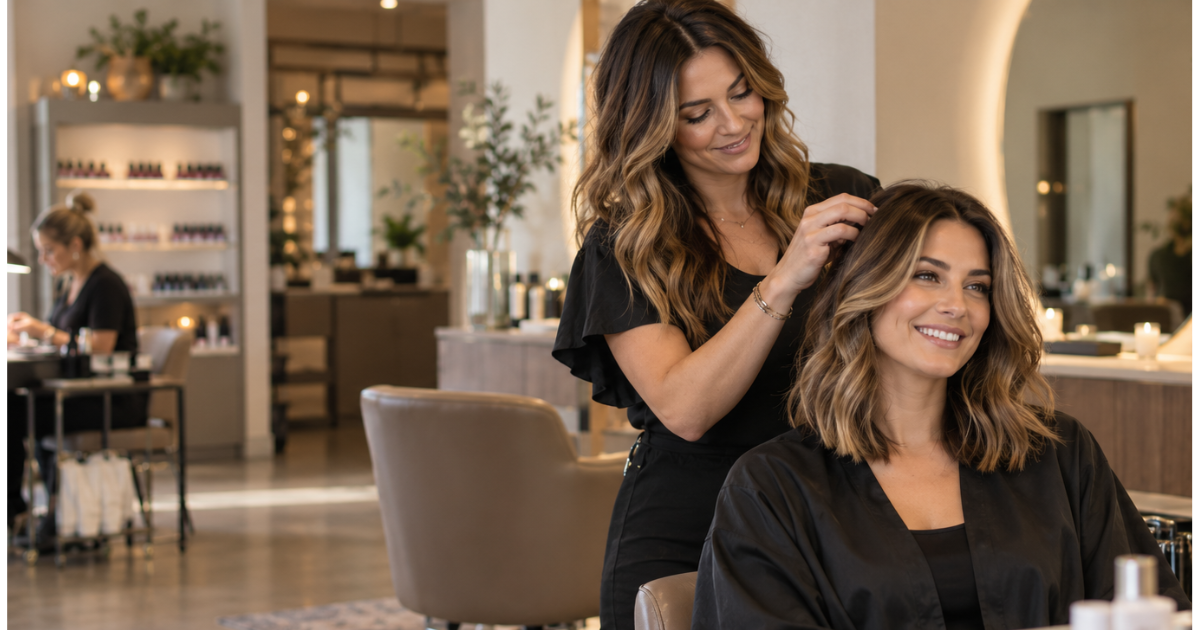
Customized salon styling works best when the finished look reflects not only personal taste, but also hair texture, condition, daily routine, and realistic maintenance preferences.
A photograph can be a useful starting point, but it is rarely a complete styling plan. Two people can request the same layered cut, glossy blowout, or dimensional color and need completely different techniques to achieve it. Density, curl pattern, previous chemical services, growth patterns, and styling habits all influence how a look behaves after the salon visit.
That is why personalization should go deeper than choosing a trend. The most successful salon experience creates a practical system: a flattering shape, an appropriate finishing method, and a home routine that the client can confidently repeat.
A strong consultation is part visual analysis and part conversation. The stylist needs to understand what the client wants, but also how that person actually lives with their hair.
Useful questions may include:
These details help translate an inspiration image into a wearable result. Someone who enjoys a detailed morning routine may be happy with a cut that rewards round-brush styling. Someone who prefers to wash and go may need a shape that works with natural movement and requires fewer tools.
Instead of showing one photograph and asking for an exact copy, bring several references and identify the appealing elements. It might be the face-framing shape, soft volume, movement at the ends, or contrast in the color.
It is equally helpful to show examples of what you do not want. Clear preferences give the stylist more information than labels such as “short,” “warm,” or “low-maintenance,” which can mean different things to different people.
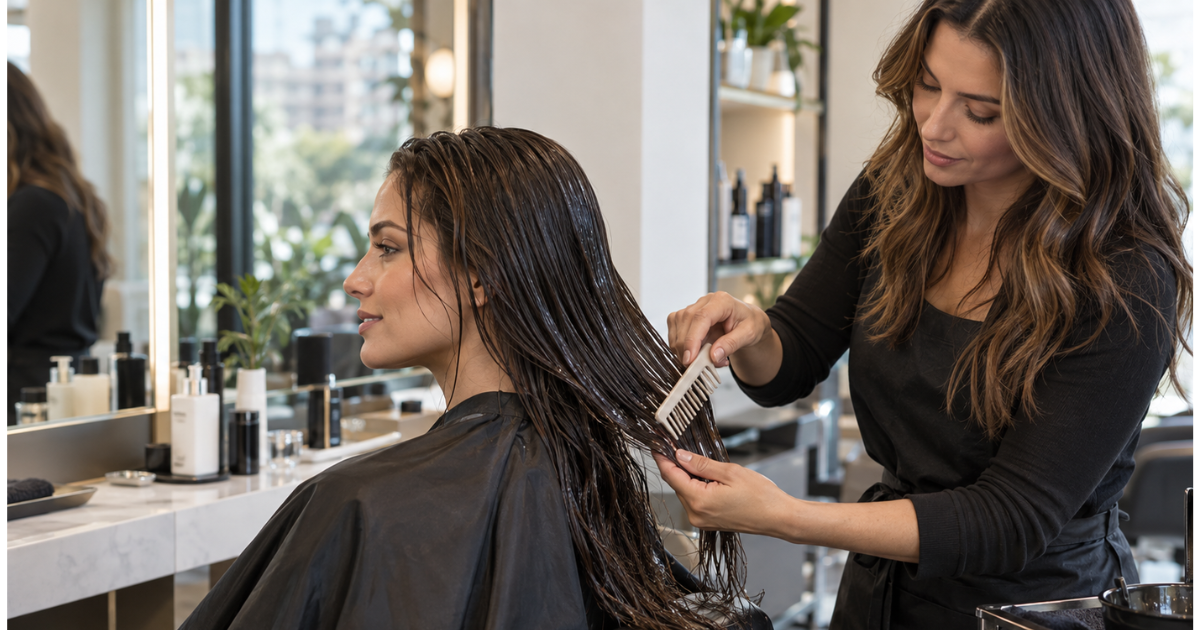
Healthy-looking styling begins with an honest evaluation of the hair’s current condition. A stylist may consider elasticity, porosity, dryness, breakage, density, and previous chemical history before recommending a service.
This does not mean every sign of damage prevents a new look. It may mean adjusting the technique, reducing the amount of lightening, adding a conditioning service, or creating the change gradually. A carefully staged plan can be more satisfying than pursuing a dramatic result that the hair cannot currently support.
The American Academy of Dermatology’s healthy hair guidance recommends choosing washing and conditioning practices that suit the hair type. It also advises concentrating shampoo on the scalp and applying conditioner after washing. These simple habits can influence how manageable the hair feels between salon visits.
Blow dryers, flat irons, curling irons, and hot brushes can create polish, volume, or texture. However, more heat does not automatically produce a better or longer-lasting finish.
A stylist can adjust temperature, airflow, section size, tool choice, and product placement according to the hair. Fine or sensitized strands may need a lower setting, while dense hair may benefit from smaller sections and controlled airflow rather than extreme heat.
Research available through the National Library of Medicine found that increasing hair-dryer temperatures caused more surface damage in the study conditions. The American Academy of Dermatology similarly recommends using the lowest effective heat setting and limiting direct contact time with hot tools.
At home, heat protectant should be applied as directed, but it should not be treated as permission to repeatedly pass a very hot tool over the same section. Technique and temperature still matter.
A customized haircut accounts for more than face shape. It should also consider natural fall, shrinkage, cowlicks, density distribution, and the way the client prefers to style the hair.
Layers can encourage movement or reduce weight, but their placement matters. Too many short layers may create unwanted volume in dense hair. Removing too much weight from fine hair can make the perimeter appear thinner. A fringe can frame the face beautifully, but its growth pattern and maintenance schedule need to be discussed first.
The most useful cut is one that continues to make sense after the professional finish has been washed away.
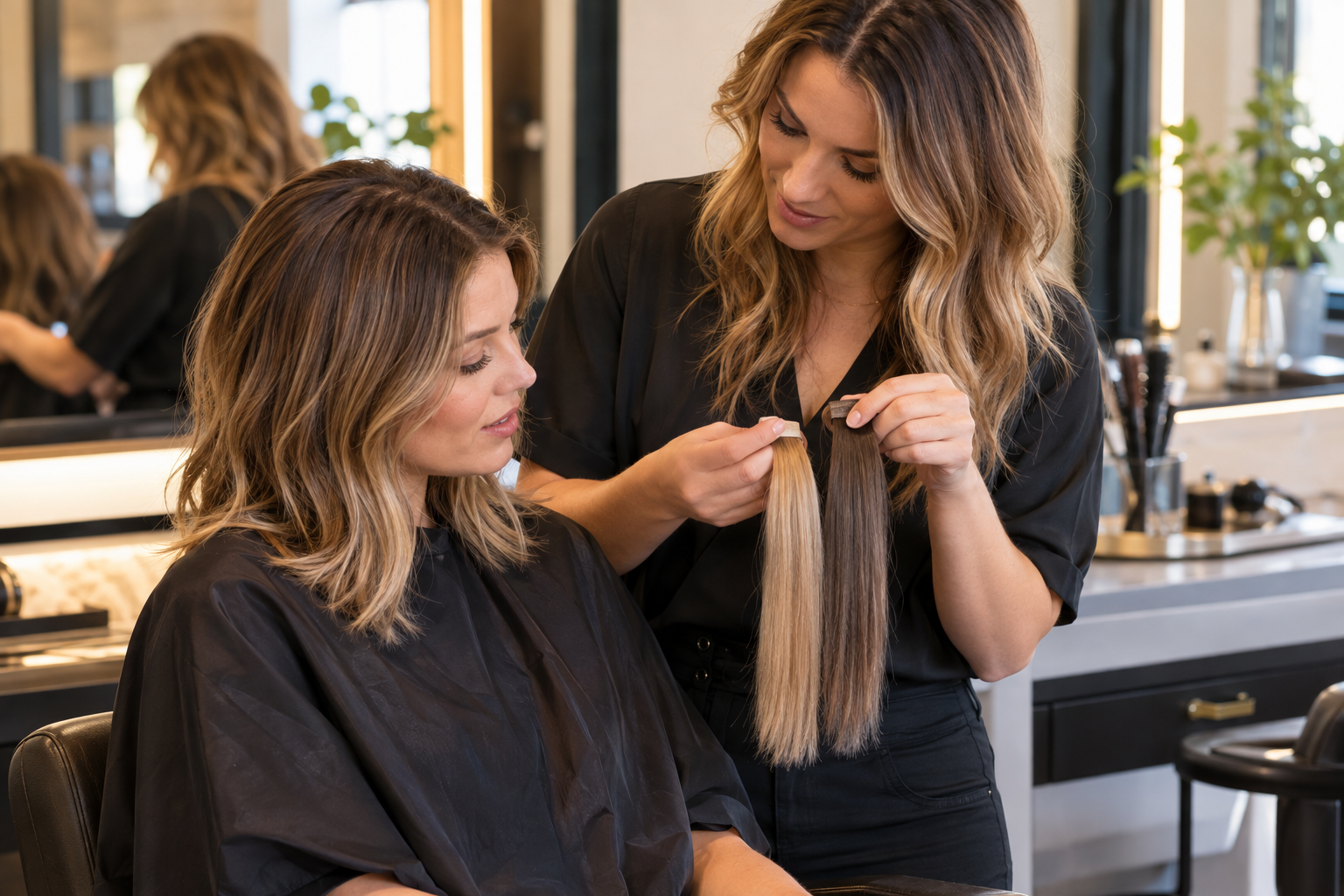
Hair color changes how a haircut is perceived. Highlights can emphasize movement, a deeper root can add visual depth, and face-framing brightness can direct attention toward particular features. Color placement should therefore be planned with the final shape and styling habits in mind.
Previous color history is important, including home dye, bleach, henna, and smoothing treatments. The FDA’s hair dye guidance advises following product directions and performing the instructed skin test before each use. Clients should also tell their stylist about previous reactions, scalp sensitivity, or unexpected results from earlier services.
A professional may recommend strand testing or a gradual color plan when the desired result involves significant lightening or correction. This is not unnecessary caution. It is a way to gather information before committing the entire head of hair to a chemical process.
Curly and coily hair should not be treated as straight hair with extra volume. Curl pattern, spring, moisture needs, and the way sections group together all affect the cut and finish.
The American Academy of Dermatology’s curly hair recommendations emphasize moisture, gentle detangling, scalp care, and avoiding dry brushing that can contribute to breakage and frizz. A customized styling plan might include curl-by-curl product application, diffusing guidance, or techniques for refreshing the shape between wash days.
The objective is not always to make curls perfectly uniform. Often, the better goal is balanced shape, definition where desired, and a routine that respects the hair’s natural behavior.
Smoothing and keratin services can reduce frizz and shorten daily styling time, but they are not identical. Formulas, processing steps, expected longevity, and aftercare can vary.
Before choosing a service, ask:
The Occupational Safety and Health Administration explains that some hair-smoothing products may contain formaldehyde or release it when heated, including certain products labeled as formaldehyde-free. Asking what is being used is a reasonable part of making an informed service decision.
A salon style is easier to maintain when the client leaves knowing how it was created. Product recommendations are most helpful when each item has a clear purpose rather than becoming part of an overly complicated routine.
A practical home plan may cover:
Ask the stylist to demonstrate one or two techniques that will make the greatest difference. That may be the direction of the blow dryer, how to position a round brush, where to apply curl cream, or how much product to use. A short, repeatable routine is usually more valuable than a long list of steps that will not be followed.
Nikkole Michaels Salon & Spa describes its Spring Hill hair services as including custom haircuts, styling, highlights, balayage, color, treatments, and texture services. The salon also uses a stylist level system based on experience and achievement, helping guests consider skill set, education, and budget when choosing a provider.
This type of matching can be useful because technical expertise is only part of a productive stylist-client relationship. Communication style, specialty experience, and comfort with a particular hair texture or goal can also affect the experience.
A thoughtful consultation should leave room for questions. Before moving forward, consider asking:
If there is persistent itching, pain, sudden hair loss, sores, or significant scalp inflammation, salon products should not be used to conceal the issue. A dermatologist can evaluate whether a medical condition is involved. The American Academy of Dermatology recommends seeking professional medical guidance when changes in routine do not improve hair or scalp concerns.
A beautiful salon finish is enjoyable, but its real value appears in the days and weeks that follow. The cut should retain its shape, the color should fit the maintenance plan, and the styling routine should feel manageable.
True customization is not about adding complexity. It is about making informed choices, removing unnecessary steps, and designing a look around the individual wearing it. When personal style, hair condition, and everyday habits are considered together, the result can feel polished without feeling impractical.