Smooth Moves: Waxing Services in Kansas City, MO
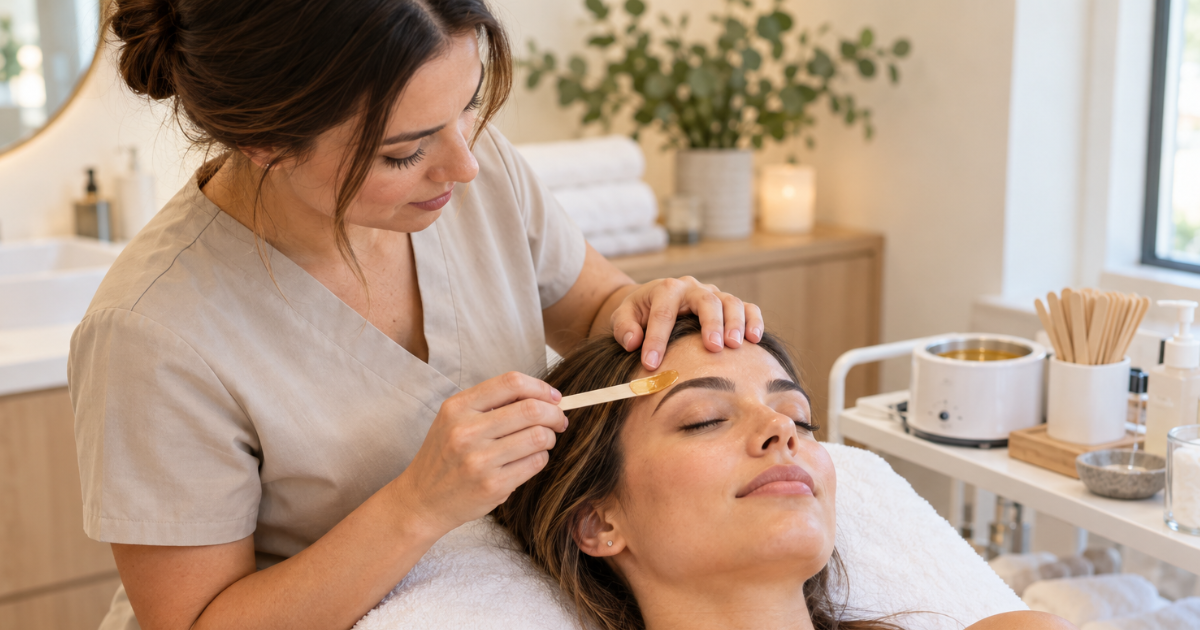
Unwanted hair is completely normal, but managing it does not have to become a daily chore. Professional waxing services in Kansas City, MO offer longer-lasting…

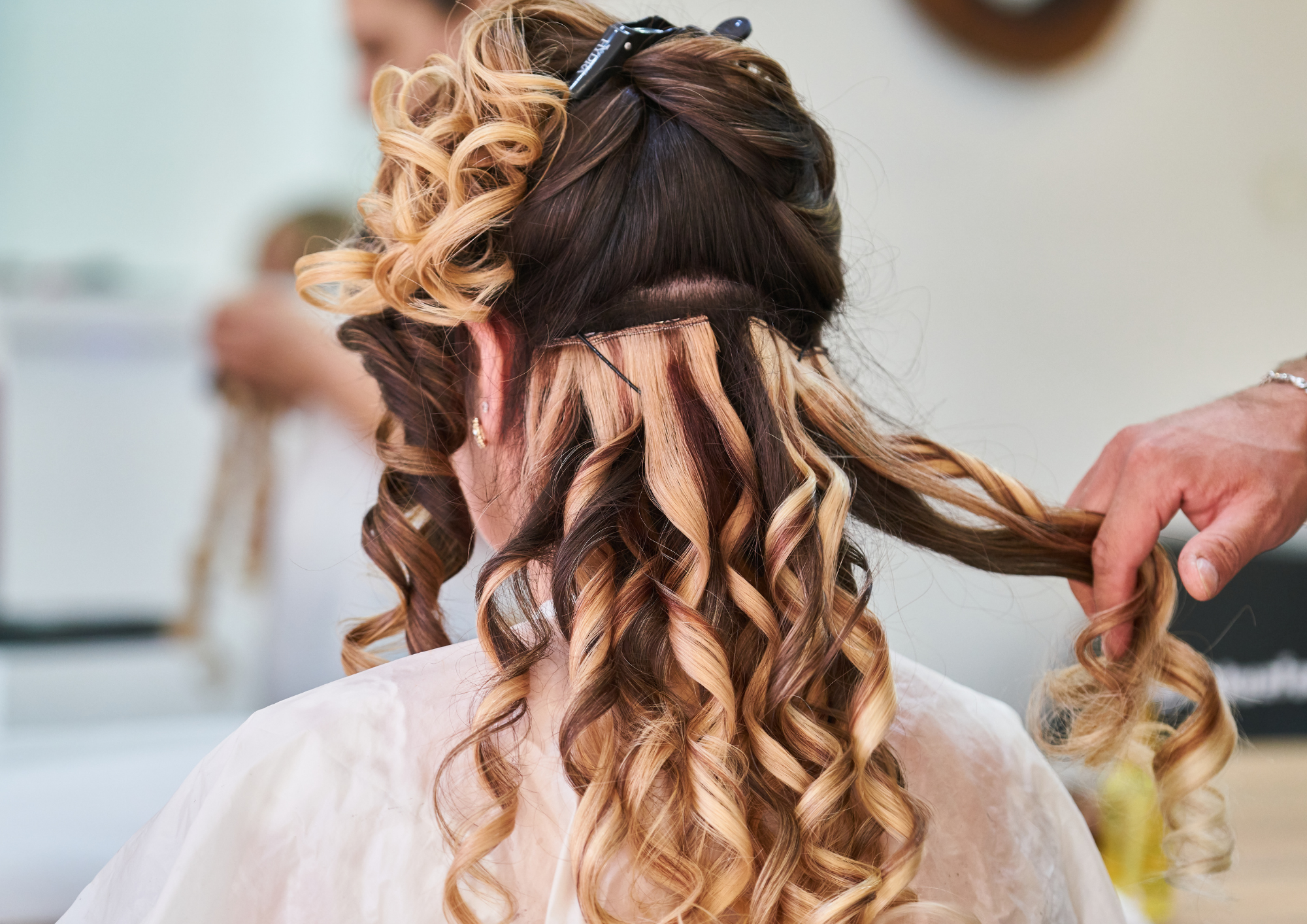
Precision haircuts use deliberate shaping, balanced weight, and texture-aware techniques to create a style that works with the hair instead of constantly fighting it.
That matters because a haircut affects more than appearance. It can influence how long styling takes, where volume develops, whether the ends look full, and how the hair behaves between salon visits. The right shape may reduce the need for daily correction with excessive heat or heavy products.
Precision does not mean that every haircut needs sharp lines or a dramatic transformation. It means that each choice has a purpose.
Before reaching for scissors, a stylist needs to understand both the hair and the person wearing it. Texture, density, growth direction, previous services, and daily habits all contribute to the plan.
A useful consultation may explore:
Clients can help by describing ordinary hair days, not just special-event styling. A haircut should support the routine that happens most often.
Fine hair describes the diameter of each strand. A person can have fine strands and still have high overall density. Thinning refers to a reduction in the number of hairs or visible changes in fullness.
The distinction influences haircut design. Fine hair may benefit from a strong perimeter that creates the appearance of substance, while excessive layering can sometimes make the ends look sparse. Dense fine hair may still need internal movement, but it should be added carefully.
Thinning hair deserves additional consideration. A strategic cut can create cosmetic volume and improve shape, but it cannot diagnose or treat the reason for hair loss. The American Academy of Dermatology identifies signs such as a widening part, a thinner ponytail, receding hairline, or gradually reduced fullness.
Sudden shedding, patchy loss, scalp pain, sores, or persistent irritation should be evaluated by a qualified healthcare professional. A styling change may complement medical care, but it should not replace it.
A bob may look simple, but its clean shape makes technical details highly visible. Length, graduation, weight, texture, and head position can all change the finished line.
The stylist may consider:
A lob introduces another variable: the shoulders. Hair can flip or bend where it meets clothing and the body. A precise design anticipates that interaction rather than evaluating length only while the client sits still.
Dry cutting allows a stylist to observe how the hair falls without the temporary weight and elongation created by water. This can be useful for refining a perimeter, shaping a bob, assessing curl movement, or working with areas that change significantly as they dry.
That does not make dry cutting universally better than wet cutting. Each approach offers different information. Some stylists establish structure while the hair is wet and refine it when dry, while others complete a service primarily on clean, dry hair.
The most important question is not which method is trendier. It is whether the technique suits the texture, current condition, and intended result.
Curls do not sit like straight strands. They form groups, expand with humidity, shrink as they dry, and may vary across the head. Cutting without accounting for those differences can create unexpected gaps or uneven volume.
The American Academy of Dermatology’s curly-hair guidance notes that curly and coily textures can be more susceptible to dryness and breakage. Gentle detangling, suitable moisture, and reduced friction can help support the finished shape.
Clients should explain whether they usually wear curls naturally, diffuse them, stretch them, or alternate with straight styles. A versatile haircut may require compromises so the shape remains workable across more than one finish.
When the shape distributes weight effectively, the hair may require less daily correction. That can make it easier to reduce repetitive brushing, intense flat-ironing, or prolonged blow-drying.
The American Academy of Dermatology recommends limiting excessive heat, handling wet hair carefully, and avoiding continuous tension from tight styles. These habits can help reduce breakage that makes a haircut look uneven before it has actually grown out.
Research available through the National Library of Medicine has examined how dryer temperature and distance affect the hair shaft. The practical takeaway is not that blow-drying must be avoided, but that technique and temperature matter.
The American Academy of Dermatology also recommends applying shampoo mainly to the scalp and using conditioner after washing. Fine or straight hair may need conditioner concentrated through the ends, while dry or curly hair may benefit from conditioning more of the length.
A haircut can improve access to the scalp and make cleansing easier, but scalp health depends on consistent care. Sweat, oil, dead skin, and styling residue can accumulate regardless of hair length.
The Centers for Disease Control and Prevention recommends regular hair washing and choosing shampoo and conditioner for the individual hair type. It also advises against sharing personal items such as brushes, combs, and towels.
Persistent itching, scaling, inflammation, or sores should not be covered with increasingly heavy styling products. These concerns may require professional medical evaluation.
The salon finish is only the first test. The more meaningful evaluation happens after the client washes and styles the hair independently.
A practical haircut should:
Before leaving the salon, ask for a simple styling demonstration. Learn where to place the brush, how to direct airflow, and which products are doing the essential work. If recreating the finish requires more steps than expected, ask for a simplified version.
Experience level, technique, service time, and demand can affect salon pricing. A trim that preserves an established shape may not require the same planning as a detailed pixie, significant restyle, or specialized cut for fine hair.
Clients should discuss the expected price before the service begins, particularly when hair length, condition, or complexity could affect the total. Clear communication helps the salon reserve adequate time and helps the client choose an appropriate provider.
South Carolina cosmetology professionals and salons are regulated through the South Carolina Board of Cosmetology. Consumers can use the state’s resources to review licensing information and professional requirements.
Gibson Hair & Makeup in Charleston offers dry haircuts, haircut-and-blowout services with junior, senior, and master stylists, men’s cuts, and pixie haircuts. Its menu also includes specialized signature services for fine or thinning hair and precision bob or lob shapes.
The Signature Volume Haircut is designed for fine, delicate, or thinning hair and combines cutting with customized salon treatments and styling. The Signature Bob Haircut uses dry-cutting techniques tailored to face shape, texture, and hair type. These cosmetic services can enhance shape and visible fullness, while medical concerns about active hair loss remain appropriate for a dermatologist.
A technically detailed haircut is most valuable when it improves everyday manageability. Clean lines, balanced volume, and thoughtful movement should support the client’s routine rather than create pressure to reproduce a complicated salon finish every morning.
When consultation, cutting strategy, hair-conscious styling, and home education work together, the result can feel polished without becoming high maintenance. That balance is what makes a precision haircut more than a visual change. It becomes a practical part of caring for the hair you have.