Smooth Moves: Waxing Services in Kansas City, MO
Unwanted hair is completely normal, but managing it does not have to become a daily chore. Professional waxing services in Kansas City, MO offer longer-lasting…

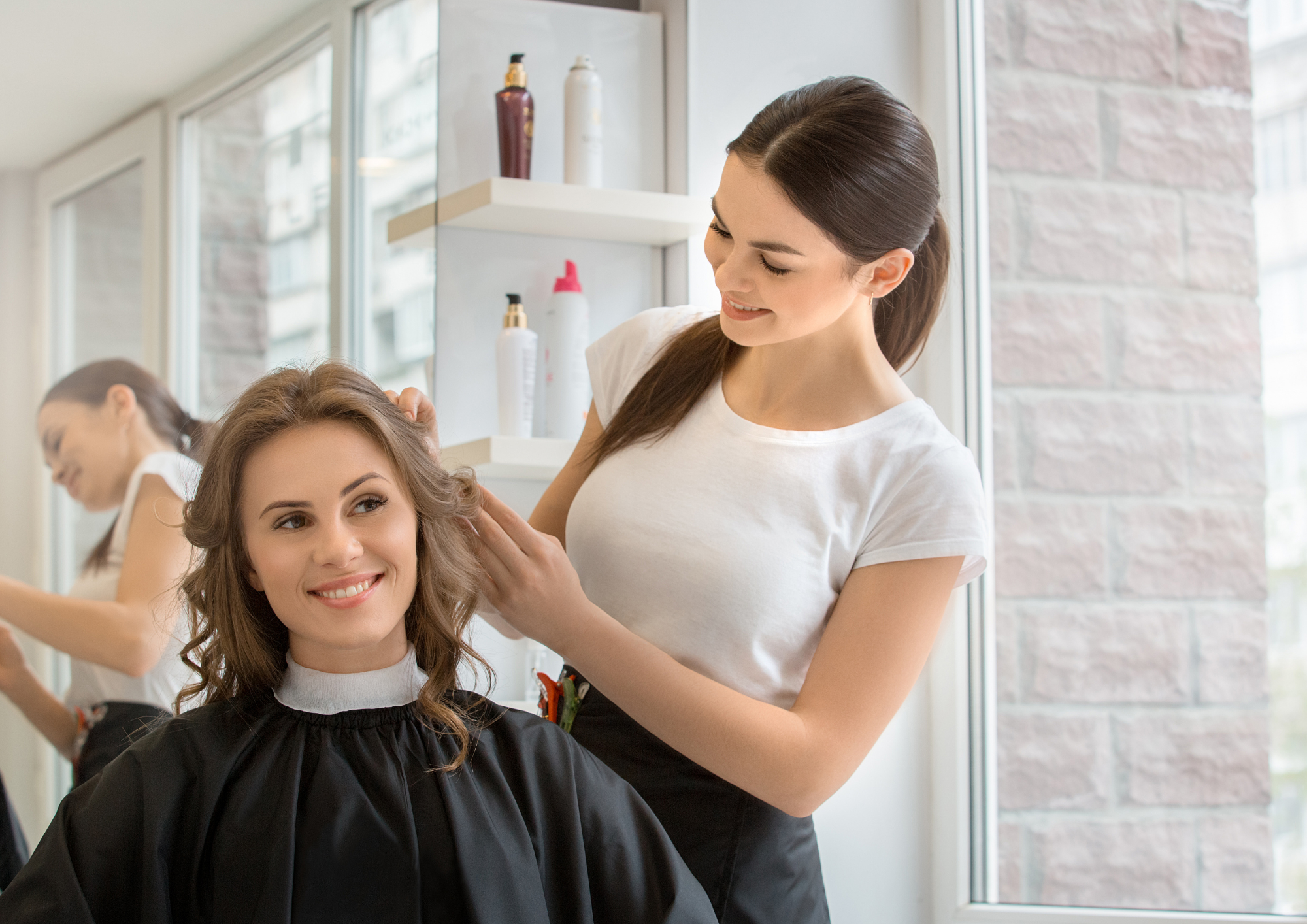
Personalized haircuts and styling should make everyday hair care feel more manageable, not create a look that can only be recreated by a professional. A polished salon finish is enjoyable, but the real test arrives after the first wash. Can the client understand the shape, work with the natural texture, and create a version of the style that fits a normal schedule?
This practical standard connects beauty with well-being. When a haircut cooperates with daily life, it can reduce frustration, limit unnecessary heat styling, and support a routine that feels realistic rather than demanding.
People often describe a desired haircut using visual terms: shorter, softer, fuller, layered, blunt, textured, or face-framing. Those words matter, but they describe only the shape. A complete haircut plan also considers the system needed to maintain it.
That system includes:
A technically impressive cut may still be the wrong design if it requires daily styling the client dislikes. Personalization means translating an attractive idea into a wearable routine.
Reference photographs are helpful, but they are not blueprints. The person in the photograph may have a different density, strand thickness, curl pattern, growth direction, or styling routine. Lighting, extensions, filters, and professional finishing can also influence how a style appears online.
Instead of showing a photograph and asking for “this exact cut,” identify the specific features that appeal to you. It might be the movement around the face, the strong outline, the volume near the crown, or the way the ends appear light and separated.
Past problems give the stylist useful information. Mention layers that felt too short, bangs that required constant attention, ends that appeared thin, or a shape that became bulky as it grew.
If five minutes is the realistic styling limit, say so. If you enjoy using a round brush and hot tools, that matters too. There is no correct amount of effort, but there is a clear benefit to designing around the truth.
A productive consultation should leave both people understanding the desired length, shape, maintenance, and home-styling plan before cutting begins.
Texture is often discussed as straight, wavy, curly, or coily, but several other characteristics affect haircut behavior. Density describes how much hair is present, while strand diameter may be fine, medium, or coarse. Porosity, elasticity, previous chemical services, and growth patterns also influence how hair responds.
For example, fine hair is not always thin. Someone may have fine individual strands but a high overall density. Removing too much internal weight could make the ends appear sparse even when the client began with abundant hair.
Curly and coily hair also require attention to shrinkage and variation. Different areas of the head may form different curl patterns, and the finished length can change considerably as the hair dries. A stylist needs to consider how the client normally wears and detangles the hair rather than treating it as if it behaves the same in every state.
The American Academy of Dermatology’s healthy hair guidance recommends learning one’s hair type and selecting care practices accordingly. The same principle supports a more individual haircut.
One of the most useful ways to evaluate a haircut is to imagine how it will function in three different situations.
This is the complete style created with appropriate products, careful drying, and finishing tools. It may be the version worn to work, dinner, or an event.
This version should be achievable on a busy day with fewer tools and less time. It might involve air-drying, enhancing natural movement, or refreshing only the front sections.
Many clients eventually secure their hair for exercise, work, weather, or convenience. The cut should account for whether shorter pieces can stay back comfortably and whether the client prefers a ponytail, clip, braid, or loose bun.
If a proposed haircut works in only one of these scenarios, the client deserves to know that before committing to it.
Heat tools can be used thoughtfully, but repeated high-temperature styling adds stress to the hair shaft. A haircut that supports natural movement may reduce the need to straighten, curl, or reshape every section each day.
The American Academy of Dermatology offers guidance on styling hair without unnecessary damage, including reducing heat exposure, allowing partial air-drying, and handling wet hair according to its texture.
Research on blow-drying also suggests that technique matters. A study indexed by PubMed found greater surface damage as dryer temperature increased. Under the study conditions, keeping the dryer farther from the hair and moving it continuously produced less damage than holding it close in one position.
Practical ways to make heat styling gentler include:
A haircut should not require an overflowing shelf. In many cases, a simple routine built around a few well-chosen products is easier to repeat.
Ask the stylist to explain the role of each recommended product:
If the hair is persistently dry, gentle care may help, but dryness can have several causes. MedlinePlus lists excessive washing, blow-drying, climate, and some health-related factors among the possible contributors. Hair that does not improve with gentler care, especially when dryness occurs with unexplained breakage or hair loss, may warrant medical evaluation.
Cutting the ends does not change how quickly hair grows from the scalp. What a trim can do is remove split, frayed, or uneven ends, helping the overall shape look healthier and more intentional.
The appropriate maintenance schedule depends on the cut. A short, geometric shape or full fringe usually shows growth sooner than long layers with a softer outline. Clients should consider how precise they want the style to remain and how much change they are comfortable seeing between visits.
Useful signs that a trim may be due include:
Hair professionals spend considerable time looking at the scalp and strands, so they may notice visible thinning, irritation, scaling, or breakage. However, a salon assessment is not a medical diagnosis.
Hair loss has many possible causes, including hereditary factors, health conditions, medications, hormonal changes, nutritional deficiencies, stress, and repeated tension. The Cleveland Clinic’s overview of hair loss recommends contacting a healthcare provider for concerns such as sudden shedding, scalp irritation, or unexplained loss.
A haircut may make fine or thinning hair appear fuller through thoughtful shaping, but it does not treat the underlying cause of hair loss. Clear boundaries between cosmetic support and medical care protect clients from unrealistic claims.
Creativity is only one part of salon quality. Training, licensing, hygiene, communication, and respectful service practices also influence the experience.
In New York, cosmetology is a licensed profession. The New York State Department of State explains that the scope includes services performed on the hair, head, face, neck, or scalp, including cutting and styling-related work.
Clean hands and workspaces are equally important. The Centers for Disease Control and Prevention identifies hand hygiene as a practical way to reduce the spread of germs in workplaces. Clients should expect clean tools, fresh linens or capes, orderly stations, and transparent sanitation procedures.
These questions do not limit creativity. They help ensure that the creative idea remains useful after the salon visit.
Timothy Johns Salon describes its Midtown Manhattan haircut and styling services as tailored to the client’s features, hair type, length, and lifestyle. Its menu includes haircuts, barber cuts, child haircuts, shampoo and blowouts, trims, updos, and braiding, with a virtual consultation option for new clients seeking help selecting the correct service.
That consultation-first approach is especially valuable in a busy city, where clients may need a style that moves easily between work, commuting, exercise, evenings, and special events.
A sustainable haircut is one a person can live with comfortably. It works with available time, familiar tools, natural texture, and realistic maintenance. It may still be creative, dramatic, or highly polished, but it does not depend on pretending that every day is a photo shoot.
The most successful salon visit leaves the client with more than a finished look. It provides a clear understanding of the shape, a manageable styling plan, and options for both busy mornings and special occasions. That combination supports confidence without turning personal care into another source of pressure.