The Hair Reset: Salon Services in Athens, GA
Salon services in Athens, GA can help create a healthier, more manageable hair routine when each appointment is chosen according to your texture, condition, lifestyle,…

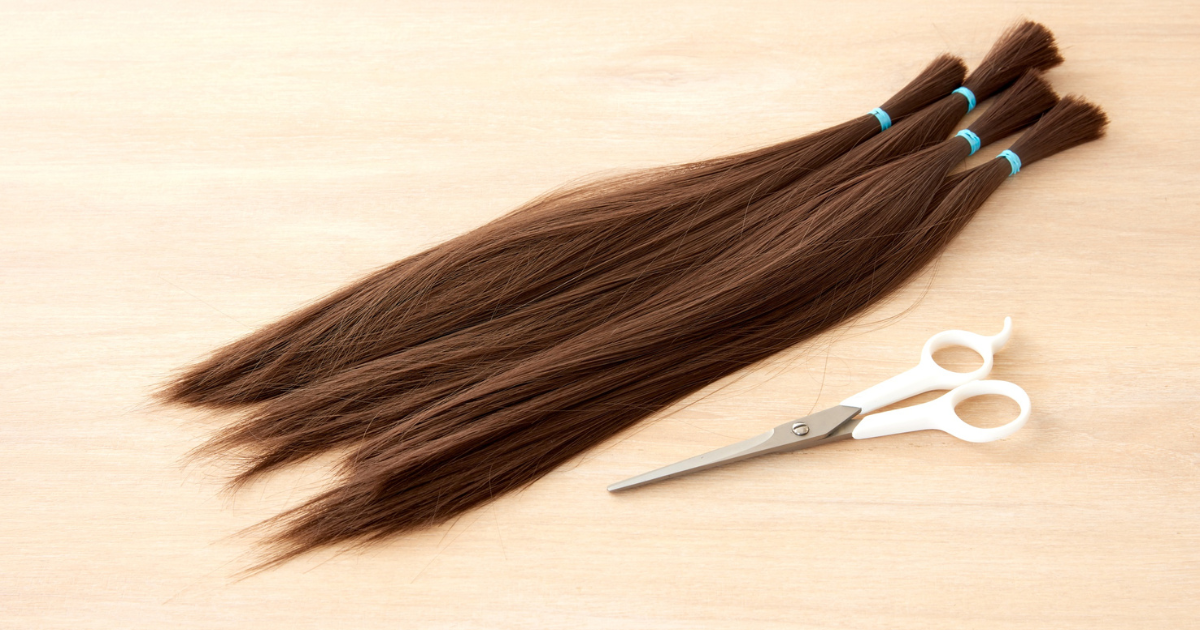
Hair extensions in Arvada, CO can create longer, fuller-looking hair, but the most satisfying results begin with thoughtful planning—not simply choosing a style from a photo.
Extensions become part of a person’s daily routine for weeks or months at a time. The attachment method, added weight, maintenance schedule, and at-home habits can all affect how the finished style looks and feels. A health-conscious approach therefore considers the natural hair and scalp alongside the desired length, volume, and color.
Whether someone wants subtle fullness or a noticeable transformation, understanding the entire extension process can lead to more realistic expectations and a better experience.
“Longer hair” may sound like a clear request, but it can mean several different things in practice. One client may want dramatic length, while another wants to fill in fine ends or add volume around the sides. Extensions may also be used to introduce temporary color dimension without lightening every section of natural hair.
Before comparing installation methods, it helps to identify the main objective:
The desired result influences how much extension hair may be needed and where it should be placed. Someone seeking modest fullness will usually require a different plan from someone requesting a waist-length transformation.
A professional extension consultation is about more than selecting a shade. It gives the stylist an opportunity to evaluate the client’s hair density, texture, length, condition, and previous chemical services. The scalp should also be considered, particularly if there is tenderness, irritation, unexplained shedding, or visible breakage.
Honest lifestyle information is equally useful. Exercise frequency, swimming, heat styling, preferred hairstyles, and available maintenance time can all influence which method is practical. A beautiful installation still needs to work during an ordinary week—not only on the day it is photographed.
People experiencing sudden shedding, a widening part, bald patches, or persistent scalp discomfort should consider speaking with a board-certified dermatologist before proceeding. The American Academy of Dermatology describes several signs of hair loss that may warrant professional evaluation. Hair extensions are a cosmetic service and should not be treated as a solution for an undiagnosed hair or scalp condition.
No single attachment method is automatically ideal for every person. Each option distributes hair differently and has its own maintenance requirements. Natural density, hairstyle preferences, and the condition of the hair should guide the recommendation.
A weft is a continuous section of extension hair attached along a horizontal area of the head. Depending on the system, the weft may be incorporated using beads, thread, braiding, or a combination of techniques. Hand-tied wefts are made by tying strands onto a narrow seam, while machine-made versions are constructed differently and may have a thicker band.
Wefts can efficiently add fullness and length, but their placement and weight must be carefully planned. The stylist should consider how the client wears the hair, where the natural density is strongest, and whether the rows can be comfortably concealed.
Fusion extensions are installed in small sections using keratin-based bonds. Because the individual pieces can be distributed across the head, the placement may be customized around the haircut and desired movement.
This detailed installation requires careful sectioning and appropriate bond sizing. Clients also need to understand how to brush near the attachment points and how to keep direct heat away from the bonds during styling.
I-tip extensions are individual strands secured with small beads or rings rather than an adhesive strip. They allow controlled placement and movement, but the beads must be maintained as the natural hair grows.
As with any extension system, the amount of hair attached to each natural section matters. Fine or fragile strands should not be expected to support excessive weight.
Tape-in extensions use thin adhesive wefts placed around small sections of natural hair. Their flat shape can create a discreet result when they are positioned correctly and adequately covered.
Product placement is especially important with this method. Oils, rich conditioners, and certain styling products may interfere with the attachment if applied too close to the adhesive. Clients should follow the specific cleansing and product instructions provided by their stylist.
Extensions should feel secure, but secure does not mean painfully tight. Persistent pulling, stinging, or a headache after installation should not be dismissed as something a client simply has to tolerate.
The American Academy of Dermatology explains that repeatedly wearing hairstyles that pull on the hair can contribute to traction alopecia. A clinical review available through the National Library of Medicine also discusses the importance of reducing hairstyle-related tension before long-term follicle damage occurs.
The hairline, temples, and areas with lower natural density deserve particular attention because they may be less able to support weight. The finished result should move naturally without creating concentrated pressure on a few small sections.
At-home care affects both the appearance of the extensions and the condition of the natural hair. Exact instructions will vary by method, but several habits are broadly helpful.
Use the brush recommended by the stylist and begin at the ends. Work upward gradually while supporting the hair near the attachment area with one hand. Pulling a brush aggressively from the roots can place unnecessary force on both the extensions and natural strands.
Extensions do not eliminate the need for regular scalp cleansing. Shampoo should be applied with controlled movements rather than rough circular scrubbing that tangles the attachment areas. Rinse thoroughly because leftover product may contribute to buildup or discomfort.
The AAD recommends keeping the scalp clean and caring for natural hair while wearing extensions. It also advises addressing painful or overly tight installations promptly.
Going to bed with wet extensions can encourage tangling and matting. Moisture may remain around attachment areas even when the ends feel dry, so allow enough time for careful drying. Use moderate heat and follow any method-specific guidance from the stylist.
A loose braid or low ponytail can help control movement overnight. A smooth pillowcase or bonnet may also reduce friction. The goal is to keep the hair contained without creating a tight style that pulls at the roots.
When using hot tools, apply an appropriate heat protectant and avoid repeatedly passing over the same section. Keep direct heat away from tape, beads, and bonded attachment points unless the stylist has given different instructions. The AAD’s guidance for preventing common forms of hair damage also recommends limiting excessive heat and handling wet hair gently.
Natural hair continues to grow after an extension installation. Over time, attachment points move farther from the scalp, shed hairs remain captured within them, and the weight distribution changes. Regular maintenance allows the stylist to check each section, remove normal shedding, and reposition or replace the extensions when appropriate.
Waiting far beyond the recommended appointment can increase tangling and make the attachment areas harder to manage. Maintenance timing depends on the chosen method, growth rate, home care, and the condition of the natural hair. Clients should follow their stylist’s personalized schedule rather than relying on a universal timeline found online.
Professional removal is an essential part of the extension cycle. Picking at adhesive, cutting near bonds, or forcing beads out at home may break natural strands. A trained stylist can use tools and products intended for the specific attachment method while monitoring the hair underneath.
Some shed hair is normal during removal. People naturally lose strands each day, but attached extensions can prevent those strands from falling away until maintenance or removal. Even so, distinct bald spots, significant breakage, or persistent soreness should be taken seriously.
The British Association of Dermatologists notes that early action may help when hair loss is caused by repeated traction, while prolonged pulling can lead to permanent damage. This is one reason rest periods or lighter future installations may be recommended for some clients.
Contact the stylist if an extension installation causes continuing pain or if attachments begin matting, twisting, or slipping unusually quickly. A dermatologist may be the better resource when symptoms involve the scalp or possible hair loss.
Warning signs include:
Ignoring discomfort can allow a manageable concern to become more serious. The goal is not merely to preserve the extensions—it is to protect the hair and scalp supporting them.
Salon Hether’s has served the Arvada community since 1999 and offers consultations for clients considering hair extensions. Its extension-certified stylists work with Babe Hair Extensions and provide weft, hand-tied, fusion, i-tip, and tape-in options. By considering the client’s goals, natural hair, and routine, the team can recommend an approach suited to the individual rather than applying the same system to everyone.
The best extension experience is a partnership. The stylist is responsible for thoughtful selection, placement, installation, and removal, while the client supports the result through consistent home care and timely maintenance. When appearance, comfort, and hair health receive equal attention, extensions can feel like a natural part of a well-planned beauty routine.