Smooth Moves: Waxing Services in Kansas City, MO
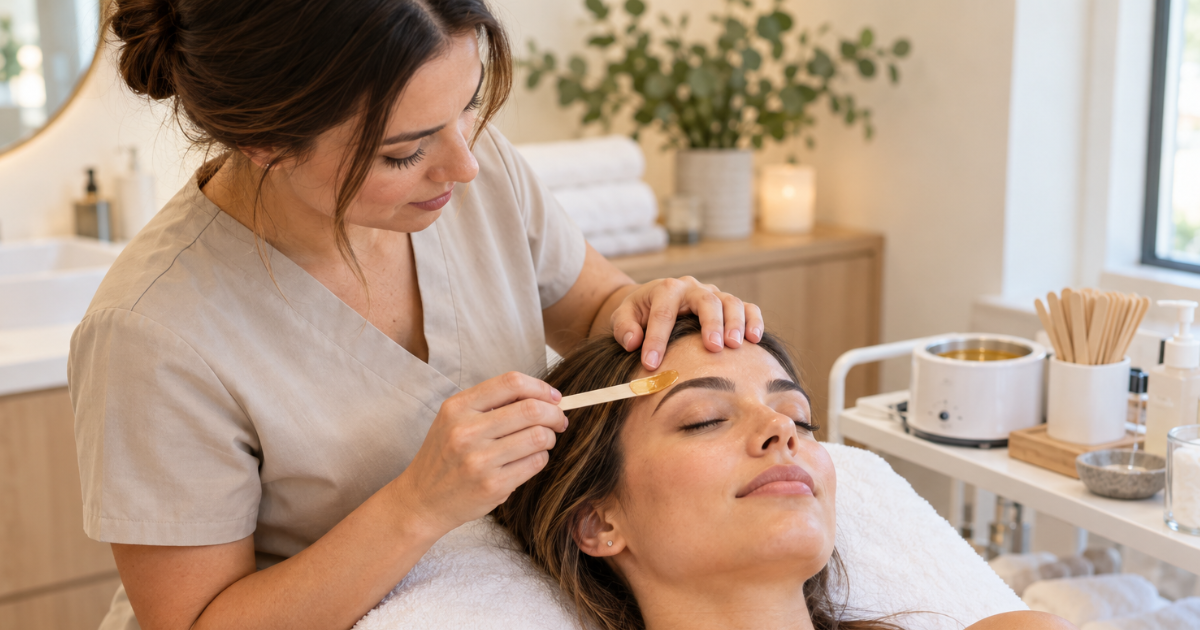
Unwanted hair is completely normal, but managing it does not have to become a daily chore. Professional waxing services in Kansas City, MO offer longer-lasting…


Custom haircut services can do more than update your appearance; they can make daily hair care gentler, simpler, and better suited to the way your hair naturally behaves.
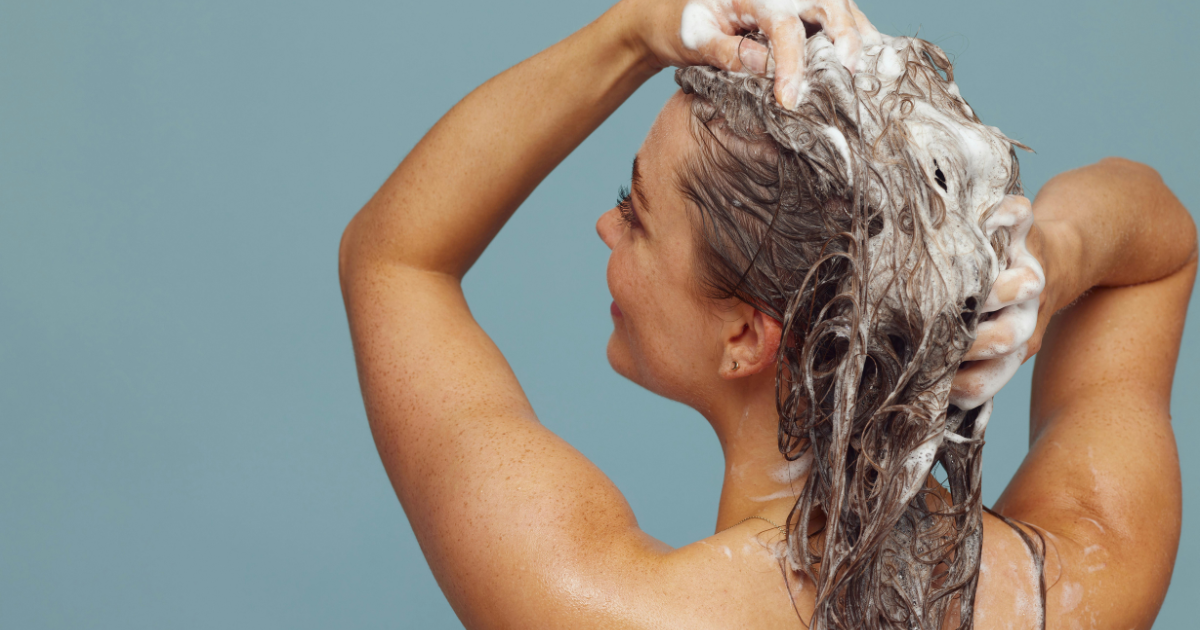
A haircut is often treated as a style decision, but it also influences how easily hair can be washed, detangled, dried, and managed. When the shape works with the hair’s texture and density, fewer corrective steps may be needed each morning. That can mean less pulling, fewer repeated passes with hot tools, and less frustration.
No haircut can medically improve a scalp condition or change the rate at which hair grows. Still, thoughtful cutting can remove compromised ends, improve balance, and reduce the amount of manipulation needed to achieve a polished result. In practical terms, that makes a good haircut part of a sustainable hair-care routine.
The visible strand is composed largely of keratin and has an outer cuticle that helps protect its inner structure. Chemical processing, heat, friction, ultraviolet exposure, and repeated grooming can gradually weather that protective surface. A scientific overview of hair structure and cosmetic hair care explains how changes to the fiber affect shine, texture, strength, and manageability.
Because the visible strand cannot heal itself in the way living skin can, conditioners and treatments primarily help improve protection, lubrication, moisture retention, and appearance. They cannot permanently fuse badly split ends back together.
Removing weakened ends can therefore make hair look fuller and feel smoother. It also reduces tangling at the perimeter, where rough, split fibers tend to catch on one another.
Trimming does not change the activity of follicles beneath the scalp, so it does not directly increase the biological growth rate. However, it may help a person retain more visible length by removing splits before they travel farther up the strand and contribute to breakage.
Cleveland Clinic’s guidance on hair growth makes this distinction clear: regular trims do not create a miracle growth cycle, but they can help prevent split ends from progressing and causing additional breakage.
A flattering style should be compatible with the time, energy, and tools a person actually has. Someone who prefers to air-dry needs a different shape from someone who enjoys a full round-brush blowout. A person who exercises daily may need enough length to secure the hair comfortably, while someone working in a formal environment may prioritize a shape that looks polished with minimal effort.
Before choosing a style, consider:
This information allows a stylist to adapt the length, perimeter, layers, and face-framing pieces to the client’s real routine. The goal is not simply to create a good result in the salon. It is to create a haircut that remains manageable at home.
Straight, wavy, curly, and coily hair respond differently to weight removal. Fine straight hair may appear thinner when it is heavily layered. Dense hair can become overly wide if too much weight is removed from the wrong areas. Curly hair may contract significantly as it dries, with different sections showing different levels of shrinkage.
This is why copying a haircut from a photograph can be unreliable. The inspiration image may feature a different density, curl pattern, growth direction, or styling routine.
The American Academy of Dermatology recommends choosing hair-care practices based on hair type. Its guidance notes that washing, conditioning, detangling, and product choices should account for whether hair is straight, fine, thick, dry, or curly.
Curly hair reveals important information when it is dry. The stylist can see the true spring, shape, density, and relationship between different curl patterns. Cutting curls in their natural state can help prevent surprises caused by shrinkage.
A complete curl service may also include cleansing, conditioning, product application, and diffuser styling. That finished process is valuable because it shows how the new shape responds when the curls are properly set.
The AAD’s curly and coily hair recommendations explain that these textures can be more prone to dryness and breakage. Gentle detangling, adequate conditioning, and reduced friction are therefore important parts of maintaining the cut.
Many people use heat to correct problems that could partly be addressed through shape. They may repeatedly curl flat sections, straighten areas that expand, or force the ends to turn in a direction that feels unnatural.
A customized cut will not eliminate every styling step, but it may help the hair fall more predictably. Strategic layers can encourage movement, while a stronger perimeter may make fine hair look denser. Face-framing pieces can create softness without requiring the entire head to be curled.
Heat technique still matters. A study of hair-shaft damage associated with blow-drying found that temperature, distance, and drying method influence damage. Repeated exposure to very high heat can make the fiber more vulnerable.
To style more gently:
If a new cut requires intense heat every day to look acceptable, it may not be aligned with the client’s natural texture or preferred routine.
Fine hair describes the diameter of individual strands, while thinning refers to a reduction in the amount of hair. A person can have fine strands with high density, coarse strands with low density, or many combinations in between.
For fine or lower-density hair, preserving visual weight is often more useful than adding many short layers. A deliberate perimeter, subtle graduation, or carefully placed internal movement can create shape without removing too much fullness.
A haircut can improve the appearance of thinning hair, but it cannot diagnose or treat the cause. The American Academy of Dermatology lists widening parts, thinner ponytails, bald patches, and gradual loss of fullness among possible signs of hair loss.
Sudden shedding, scalp pain, inflammation, or rapidly changing density should be discussed with a healthcare professional. The Mayo Clinic’s overview of hair-loss causes shows why professional evaluation matters: genetics, hormonal changes, medical conditions, medications, stress, and damaging hairstyles can all play a role.
A consultation creates space to discuss more than length. It should help the stylist understand the client’s history, concerns, expectations, and definition of manageable hair.
Useful topics include:
Clear language helps. “I want movement, but I still need to put all my hair into a ponytail” is more actionable than simply requesting layers. “I want my curls to feel less triangular without losing overall fullness” gives the stylist an outcome to design around.
Not every client needs the same amount of time or the same cutting method. Long or very thick hair may require additional sectioning, product, drying time, and refinement. Clipper cuts have different technical needs from long layered styles. Curly services may include dry shaping and diffuser work that would not be part of a traditional haircut.
In Columbia, Missouri, Hair Therapy Salon & Day Spa lists haircut and style services, options for long or thick hair, clipper cuts, and curly haircuts. Its curly service is performed on dry hair in its curly state, followed by washing, curl setting, and diffuser styling. The salon also states that haircut services begin with a complimentary 15-minute consultation focused on hair history, maintenance preferences, and desired results.
Those distinctions are helpful because they set realistic expectations about the time and technique different heads of hair may require.
There is no universal schedule. Short, highly structured cuts usually lose their intended shape sooner than long layers. Bangs may need attention before the rest of the haircut, while someone growing out healthy hair may be comfortable waiting longer between trims.
Your ideal timing depends on:
Rather than choosing an interval by habit, ask what changes you should watch for. Ends that tangle more easily, layers that stop moving, curls that lose their shape, or a perimeter that begins to look uneven may signal that the cut needs refreshing.
The healthiest routine is not necessarily the one with the most products or the most complicated styling process. It is the one that respects the hair’s texture, minimizes unnecessary damage, and fits comfortably into everyday life.
A well-planned haircut can make detangling easier, reduce dependence on high heat, improve the appearance of worn ends, and help natural movement feel intentional. Just as importantly, it can remove some of the daily stress associated with trying to force hair into a shape it does not want to hold.
That is where beauty and wellness genuinely meet: not in chasing perfection, but in creating hair that feels manageable, expressive, and easier to care for day after day.