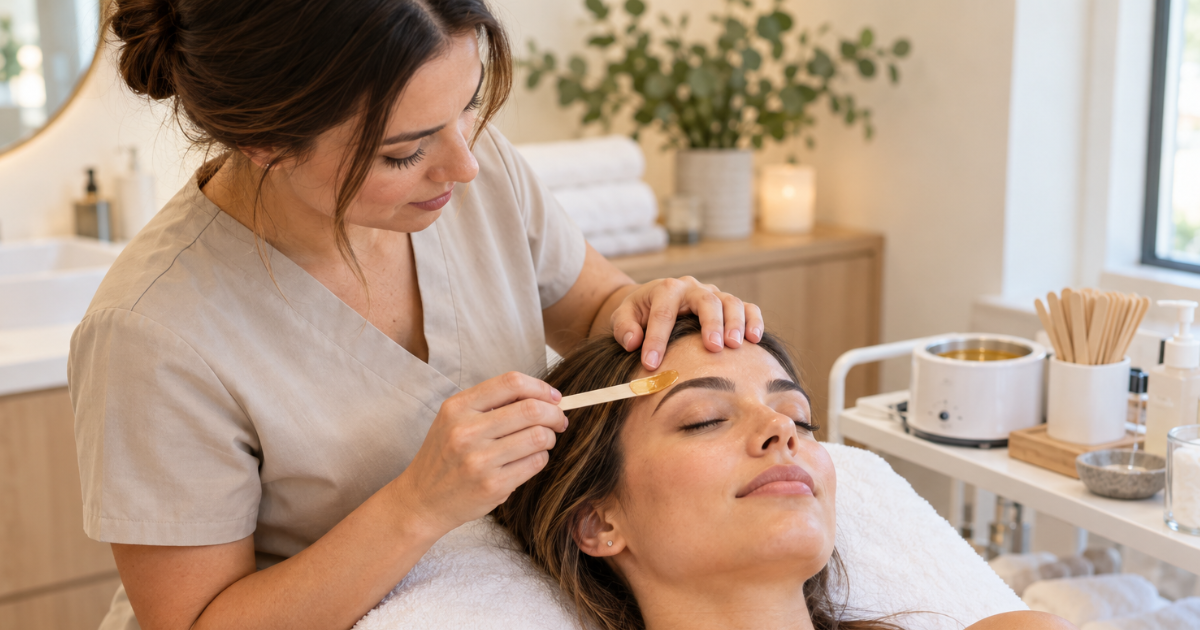
Smooth Moves: Waxing Services in Kansas City, MO
Unwanted hair is completely normal, but managing it does not have to become a daily chore. Professional waxing services in Kansas City, MO offer longer-lasting…

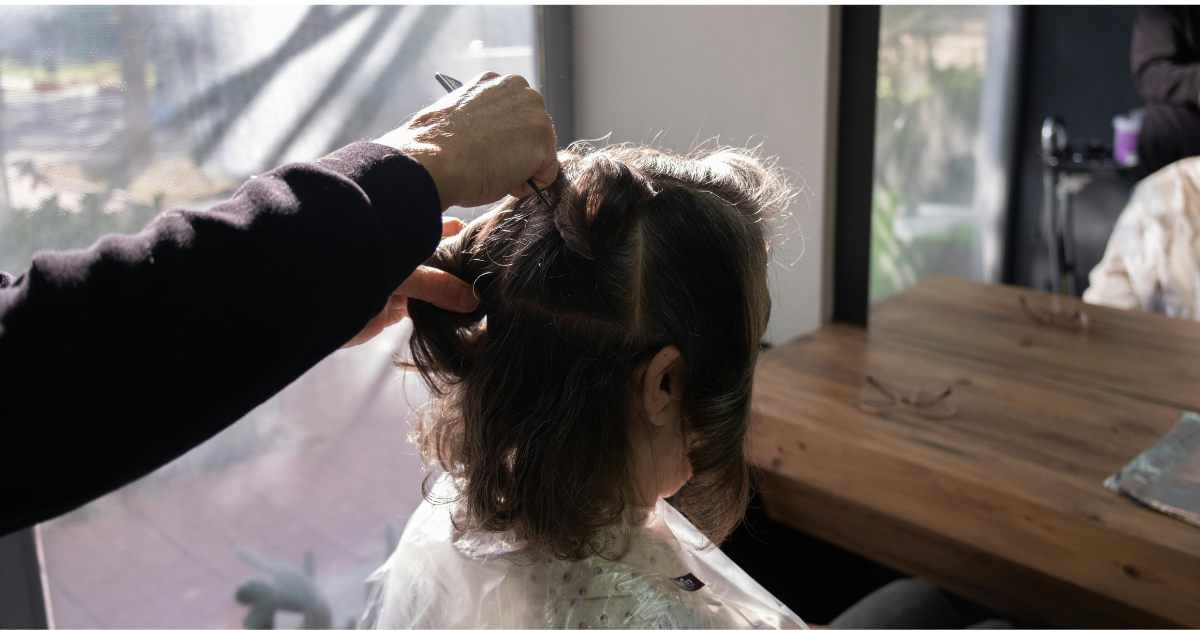
A trusted hair salon in Knoxville, TN can help turn occasional appointments into a personalized routine that supports healthy-looking, manageable hair throughout the year.
Healthy hair is not defined by one texture, length, or style. Curly hair can be healthy. Color-treated hair can look healthy. Fine, thick, straight, coily, short, and long hair all have different needs. What matters is whether the routine respects the hair’s natural characteristics and minimizes unnecessary stress.
A professional appointment can provide a strong starting point, but the habits followed between visits are just as important. The best results usually come from combining an appropriate haircut, realistic color plan, thoughtful product selection, and gentle daily care.
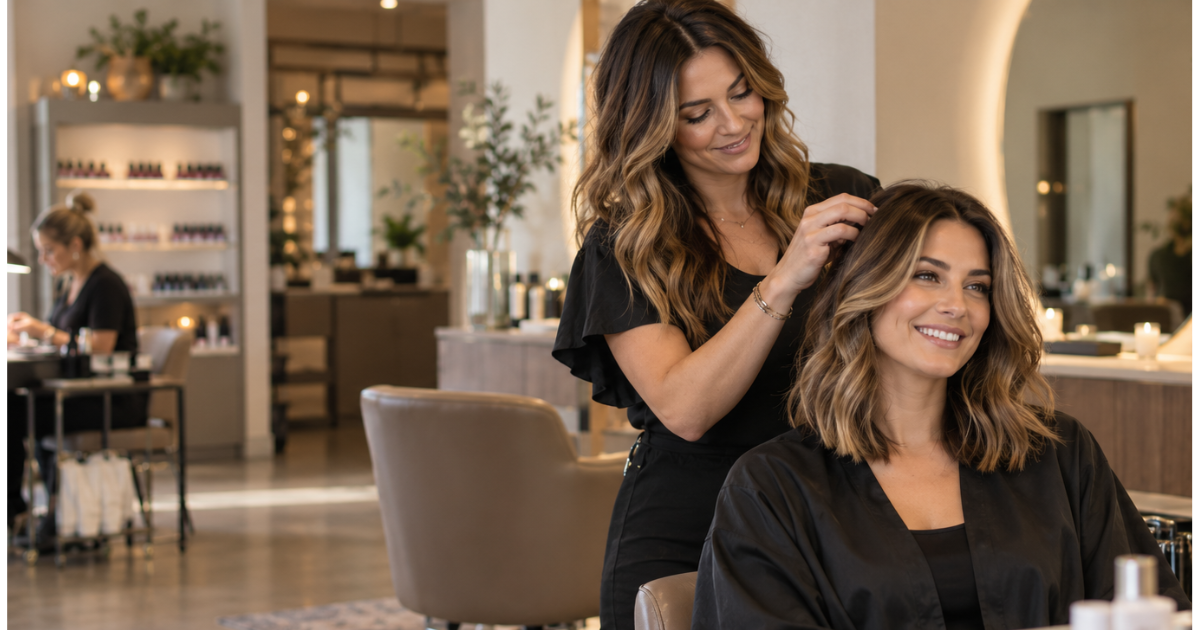
A consultation is more than choosing a photo and naming a service. It gives the stylist an opportunity to understand how the hair behaves, what has been done to it previously, and how much maintenance the client wants.
Useful consultation topics include:
Salon Yeager offers virtual consultation and stylist-matching options for new clients. These tools can help connect a guest with a professional whose skills align with the desired service, whether that involves blonding, curly hair, a precision haircut, extensions, or formal styling.
A haircut creates shape, but it can also make daily care easier. Removing worn ends may reduce snagging, while thoughtful layers can encourage movement and help certain textures sit more naturally.
The right haircut should account for how the client actually wears their hair. Someone who usually air-dries may need a different structure from someone who prefers a polished blowout. Curly hair also requires attention to shrinkage, curl pattern, density, and how the shape changes as it dries.
Before a haircut, discuss:
A technically beautiful cut loses some of its value if it requires a routine the client will never follow. Practicality should be part of the design.
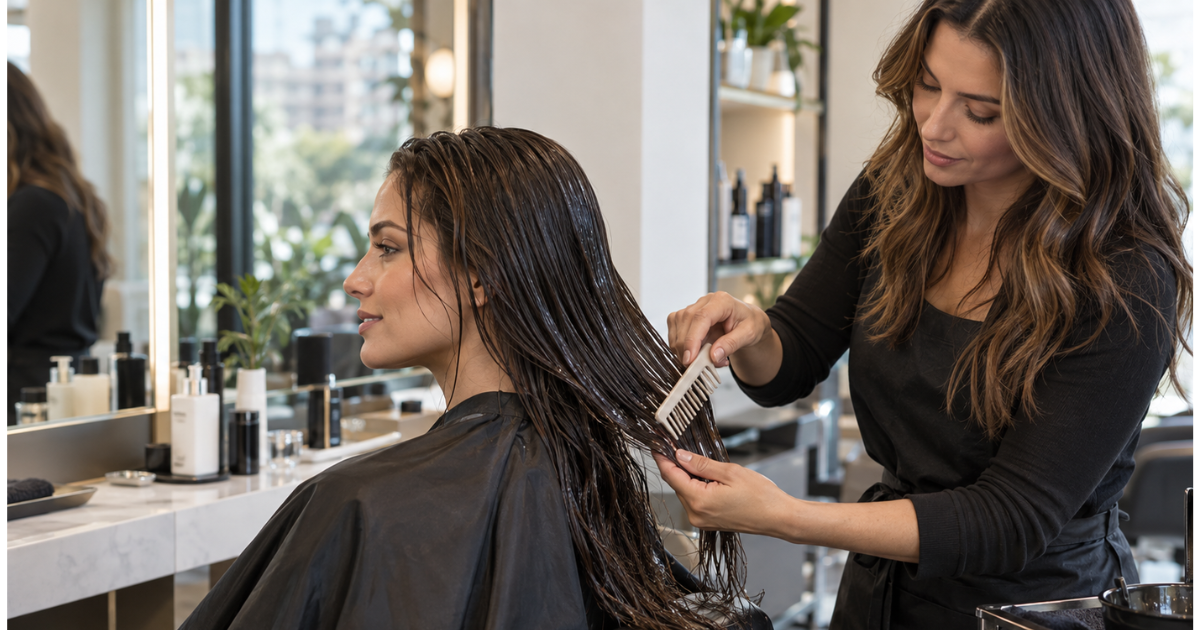
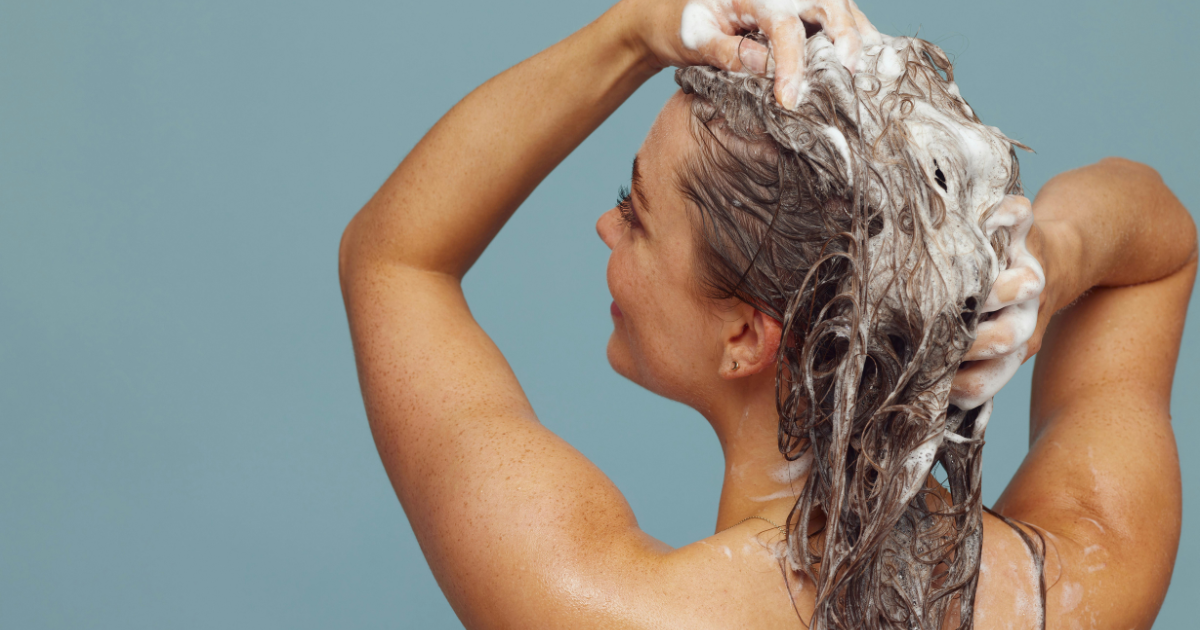
Hair is exposed to repeated friction during washing, drying, brushing, sleeping, and styling. These ordinary actions may seem harmless, but rough handling can gradually contribute to split ends and breakage.
The American Academy of Dermatology recommends applying shampoo mainly to the scalp, using conditioner after washing, handling wet hair gently, and limiting exposure to high temperatures.
A gentle routine may include:
There is no universal wash schedule. Fine or oily hair may need cleansing more frequently, while tightly curled or chemically treated hair may benefit from a different rhythm. The best routine keeps the scalp comfortable without leaving the lengths unnecessarily dry.
Blow-dryers, curling irons, and flat irons are useful tools, but more heat does not automatically create a better result. Excessive temperature and repeated passes over the same section can leave hair feeling rough or brittle.
Start with the lowest temperature that effectively styles the hair. Allow it to dry partially before blow-drying when practical, and avoid pressing an iron repeatedly over a section that is not responding. Smaller, controlled sections often produce a cleaner finish with less repetition.
A professional blowout can also be educational. Clients can ask the stylist which brush size, airflow direction, product amount, and technique are being used. Understanding the process makes it easier to recreate a simplified version at home.
Hair color can add dimension, warmth, contrast, or brightness. It can also require ongoing maintenance. Before committing to a transformation, clients should understand how often roots, highlights, or glosses may need attention.
Salon Yeager provides base color, highlights, balayage, lived-in blonde, platinum blonding, and corrective color services. Each option has a different purpose. A lived-in blonde may create a softer transition at the root, while platinum blonding generally requires a more significant commitment to retouches and home care.
The healthiest approach is not necessarily avoiding color. It is selecting a plan appropriate for the hair’s history and condition. When a dramatic result cannot be achieved responsibly in one session, a gradual transition may provide better control.
Color-treated hair may also need adjustments at home, including gentler cleansing, heat protection, periodic conditioning, and sun or pool precautions. These habits can help preserve tone and manageability between salon visits.
Curly hair is not a single category. Loose waves, spirals, coils, and mixed curl patterns behave differently and may need different cutting, cleansing, conditioning, and styling methods.
A texture-aware appointment considers shrinkage, moisture needs, density, and the way curls group together. The stylist should also ask whether the client wears the hair curly most of the time or frequently alternates between natural texture and straight styling.
Salon Yeager includes Ouidad services among its capabilities, providing an option for clients seeking curl-focused care. Regardless of the specific technique, curly-hair education should help the client understand product distribution, drying methods, and how to refresh the style between wash days.
The goal is not to make every curl behave identically. It is to create a balanced shape and a routine that works with the pattern rather than fighting it.
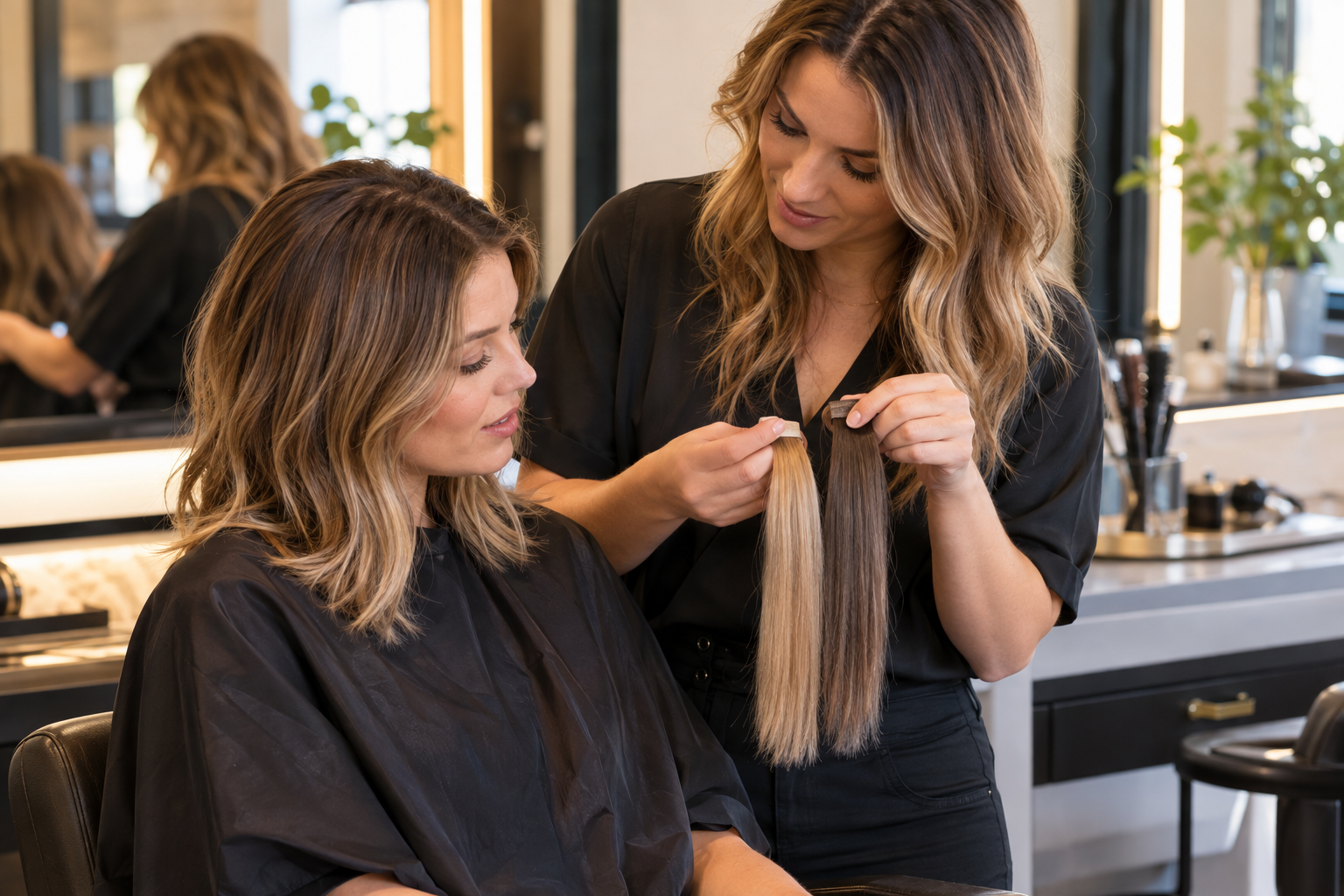
Hair extensions can add length, fullness, or both, but they should be selected carefully. The natural hair’s density, scalp condition, lifestyle, and maintenance habits help determine whether extensions are suitable and which method may be appropriate.
The weight and installation should not create persistent discomfort. Clients should report pulling, headaches, tenderness, or excessive tension instead of waiting for the next scheduled maintenance visit.
The American Academy of Dermatology’s guidance on traction alopecia explains that repeatedly pulling on the hair can contribute to hair loss. Choosing an appropriately trained extension professional and following maintenance instructions are important parts of protecting the natural hair.
Extension care may include:
Healthy-looking hair begins at the scalp, but salon services are not medical treatment. Persistent itching, pain, sores, sudden shedding, bald patches, or unusual scaling should be evaluated by a qualified healthcare professional.
A stylist may notice visible changes and suggest that a client seek medical guidance, but they should not diagnose the condition. Addressing potential scalp or hair-loss concerns early can be more important than covering them with a new style.
Clients should also disclose allergies, sensitivities, and previous reactions before color, lightening, waxing, or other chemical services. Open communication gives the professional an opportunity to recommend appropriate precautions or postpone a service when necessary.
Healthy hair does not require ten styling products and a complicated schedule. A basic routine can be highly effective when each step has a clear purpose.
For many people, the essentials are:
Products should solve an identified problem. If the hair feels coated, heavy, or increasingly difficult to manage, adding another product may not be the answer. A stylist can help simplify the routine and explain how much product to use.
Hair goals often evolve. A client may begin with a maintenance haircut, later explore color, and eventually decide to add extensions or embrace natural texture. Working with a stylist who understands the hair’s history can make those transitions easier to plan.
Salon Yeager has served Knoxville since 2015 and operates two Kingston Pike locations: Bearden Station and The Gallery. Its menu includes haircuts, color and blonding, extensions, styling, and facial waxing.
The strongest salon relationship is collaborative. The client communicates honestly about goals and maintenance, while the stylist provides realistic recommendations and explains the process. Together, they can create a routine that protects the hair’s appearance without demanding more time or effort than the client can sustain.
Healthy-looking hair is rarely the result of one dramatic appointment. It develops through well-planned services, gentle daily habits, appropriate products, and regular communication. When those pieces work together, hair becomes easier to manage—and confidence in the routine grows along with it.