Smooth Moves: Waxing Services in Kansas City, MO
Unwanted hair is completely normal, but managing it does not have to become a daily chore. Professional waxing services in Kansas City, MO offer longer-lasting…

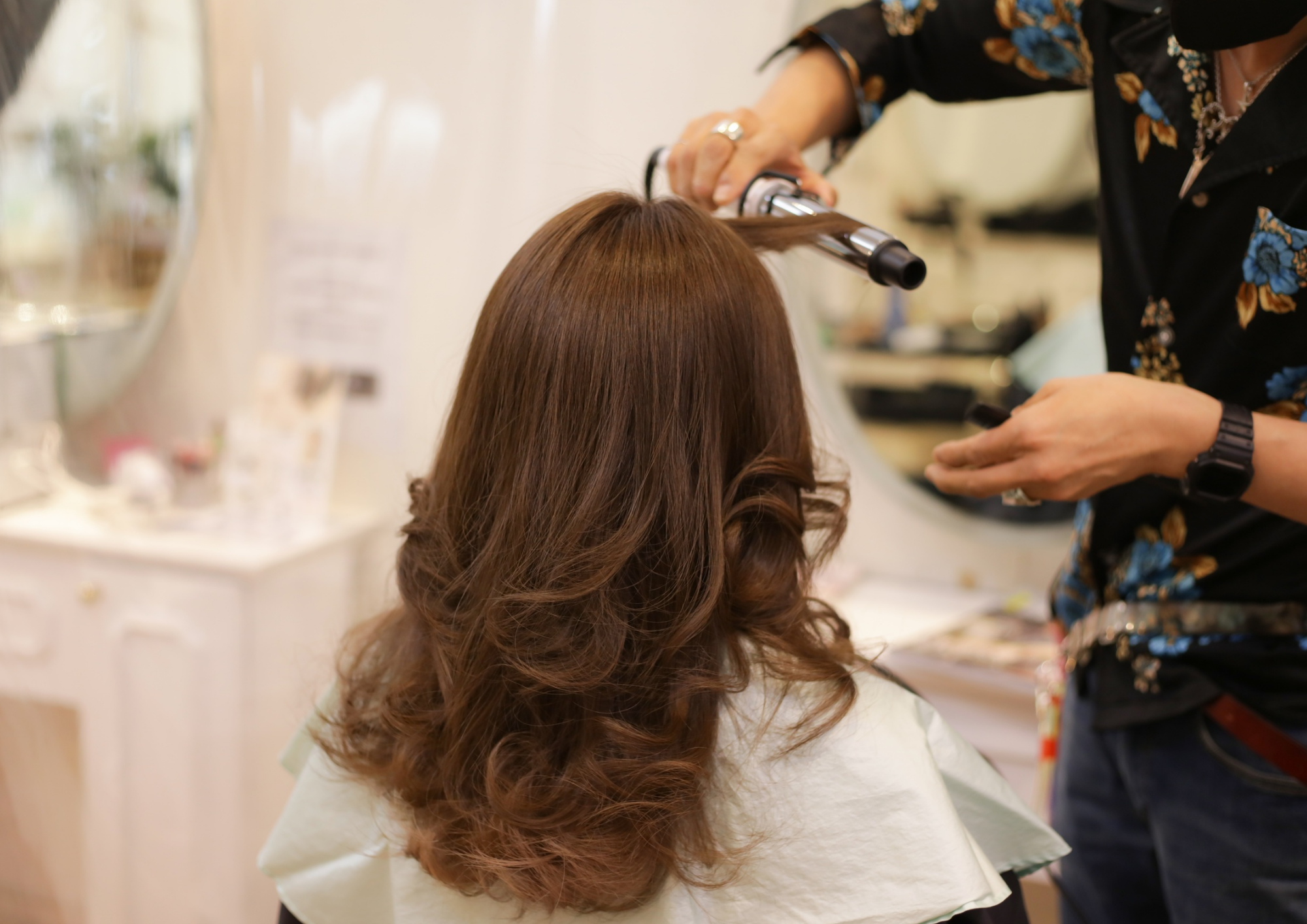
Custom haircut services can do more than change a silhouette; they can reduce daily styling effort, support gentler hair-care habits, and create a shape that works with natural texture.
A haircut often looks most impressive immediately after a professional blow-dry, but the real test begins after the first wash at home. Can the shape be recreated within a realistic amount of time? Does it air-dry well? Are the ends easier to detangle? Does the client still need excessive heat or tension to make the style behave?
These questions shift the haircut from a one-day transformation to a practical personal-care system. The goal is not to eliminate every styling step. It is to create a cut whose structure supports the way the person actually lives.
Face shape can influence a haircut, but it should not dominate the entire consultation. Hair texture, density, growth patterns, current condition, and maintenance preferences often have a greater effect on how the finished shape behaves.
A productive consultation may explore:
This information helps the stylist avoid designing a cut for an imaginary routine. Someone who air-dries most days needs a different strategy from someone who enjoys a polished round-brush finish. A client who wears a ponytail for work may need enough length and balance to secure the hair without excessive pulling.
Reference photographs are useful, but they should begin the conversation rather than end it. Explain what you like about each image. It might be the softness around the face, the weight at the perimeter, the volume at the crown, or the way the layers create movement.
It is also helpful to identify what you do not want. Terms such as “light layers,” “short,” or “low-maintenance” can mean very different things to different people.
A haircut cannot repair a damaged strand biologically. Once a hair shaft is significantly split or broken, a conditioning product may improve feel and appearance, but it cannot permanently restore the original structure. Trimming compromised ends can prevent them from making the shape look thin, uneven, or difficult to detangle.
The National Library of Medicine explains that repeated blow-drying, ironing, harsh chemicals, and aggressive brushing can contribute to weak points and breakage along the hair shaft. A well-planned cut may help by reducing the amount of manipulation needed to achieve a polished result.
For example:
The correct technique depends on the individual. Removing too much weight from fine hair may make the ends look sparse. Excessive thinning in curly hair can create frizz or disrupt curl groupings. Short layers in dense hair may produce more volume rather than less.
Fine hair describes the diameter of individual strands, while density describes how many strands are present. A person can have fine strands and high density, or thick strands and low density. Confusing these characteristics can lead to the wrong cutting strategy.
A blunt or softly graduated perimeter may support the appearance of fullness, while carefully placed layers can add movement. The stylist should also consider oil distribution, static, heat habits, and whether the client wants the hair to air-dry smoothly.
Wavy hair may appear almost straight when wet and gain movement as it dries. Its pattern can also change based on humidity, product weight, brushing, and drying technique.
A custom cut should account for where waves begin, how the hair expands, and whether the client wants definition or a smoother result. Cutting solely according to the wet shape can make the final length or volume difficult to predict.
Curly and coily hair requires particular attention to shrinkage, moisture needs, curl grouping, and density distribution. The objective may be a rounded silhouette, controlled volume, stronger ends, easier detangling, or greater freedom for individual curls.
The American Academy of Dermatology’s curly hair guidance notes that curly and coily hair is more prone to dryness and breakage. Its recommendations include moisturizing consistently, detangling while the hair is wet or damp, and avoiding dry brushing that can increase frizz and breakage.
A stylist should ask how the curls are worn most often. A cut designed exclusively for straightened hair may behave differently when worn naturally, while a curl-focused shape may change when blown out.
Maintenance is sometimes discussed only in terms of how frequently the haircut needs refreshing. Daily styling effort also matters.
A cut that requires prolonged high heat every morning may not be truly low-maintenance, even if it grows out neatly. A better design might work with natural movement, require fewer tool passes, or allow the client to alternate between styled and air-dried looks.
A study available through the National Library of Medicine found greater surface damage to hair as dryer temperature increased under the study conditions. The American Academy of Dermatology similarly recommends using the lowest effective heat setting and limiting the time hot tools contact the hair.
Useful questions for reducing styling workload include:
People who regularly pull their hair into tight ponytails, buns, braids, or extensions may place repeated tension on the same areas of the scalp. If a cut is difficult to wear loose, the client may return automatically to a high-tension style every day.
The American Academy of Dermatology warns that frequently wearing tightly pulled hairstyles can contribute to traction alopecia. Early signs may include broken hairs around the hairline, a receding hairline, patches of hair loss, or scalp discomfort.
A custom haircut can support lower-tension alternatives by creating a balanced loose shape, adding face-framing pieces, or maintaining enough length for a relaxed tie-back. It cannot treat medical hair loss, but it can be designed around gentler styling habits.
If there is persistent scalp pain, widening areas of thinning, bald patches, scaling, or unusual shedding, a dermatologist should evaluate the cause. Those concerns should not be disguised with a haircut alone.
The professional finish is an opportunity to understand how the haircut was designed to move. Rather than watching only the final reveal, ask the stylist to explain the steps that make the greatest difference.
Pay attention to:
The American Academy of Dermatology’s healthy hair recommendations also emphasize gentle washing, regular conditioning, and care when detangling. These basic habits often have more long-term value than adding numerous styling products.
A haircut should have a planned life cycle. Very short styles and precise fringes may need frequent reshaping. Longer layers may allow more flexibility, while a dramatic change may require an adjustment visit after the client has styled the hair at home.
Before leaving the salon, ask:
A realistic maintenance plan is more useful than a rigid schedule. Hair growth, desired precision, budget, and styling preferences all affect when the next cut will be most beneficial.
Technical skill is important, but communication and specialty experience also influence the result. A stylist who works frequently with short cuts may approach shape differently from one who specializes in long layers or natural curls.
Salon 124 describes its haircut process as a one-on-one consultation that considers features, personal style, daily styling time, and product use. Its haircut services include a shampoo and blow-dry, giving the stylist an opportunity to demonstrate how the finished shape can be recreated.
The salon also uses a level system based on stylist experience, expertise, and education. That structure can help guests select a professional according to their goals, preferred experience level, and budget while supporting continued stylist development.
The best custom cut is not necessarily the most complex or dramatic. It is the one that distributes weight thoughtfully, respects natural texture, supports the hair’s current condition, and fits the client’s routine.
When shape and lifestyle align, the benefits extend beyond appearance. Detangling may become easier, heat use may decrease, and everyday styling may require less pulling and manipulation. That is what makes a personalized haircut valuable long after the salon finish has been washed away.