Smooth Moves: Waxing Services in Kansas City, MO
Unwanted hair is completely normal, but managing it does not have to become a daily chore. Professional waxing services in Kansas City, MO offer longer-lasting…

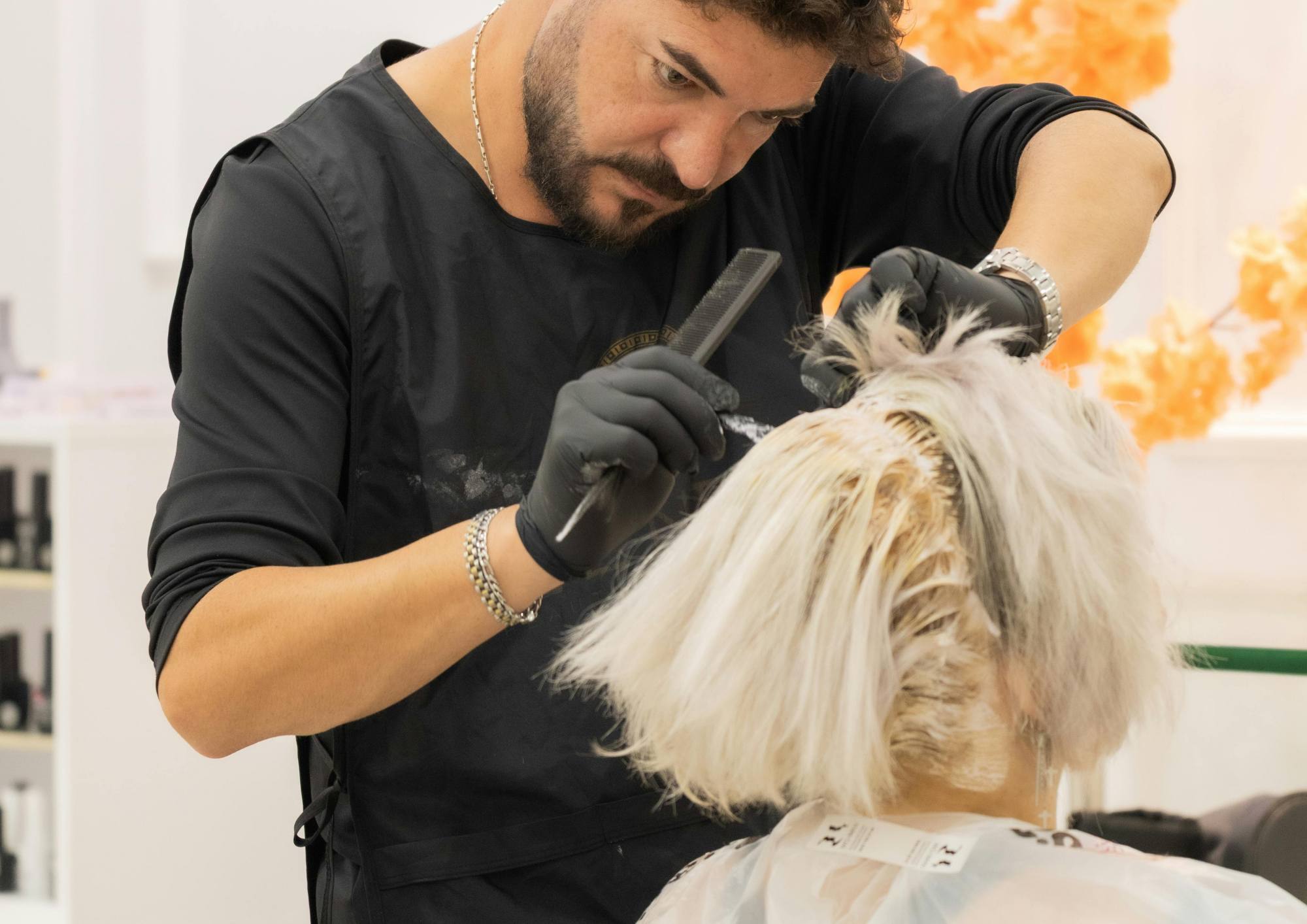
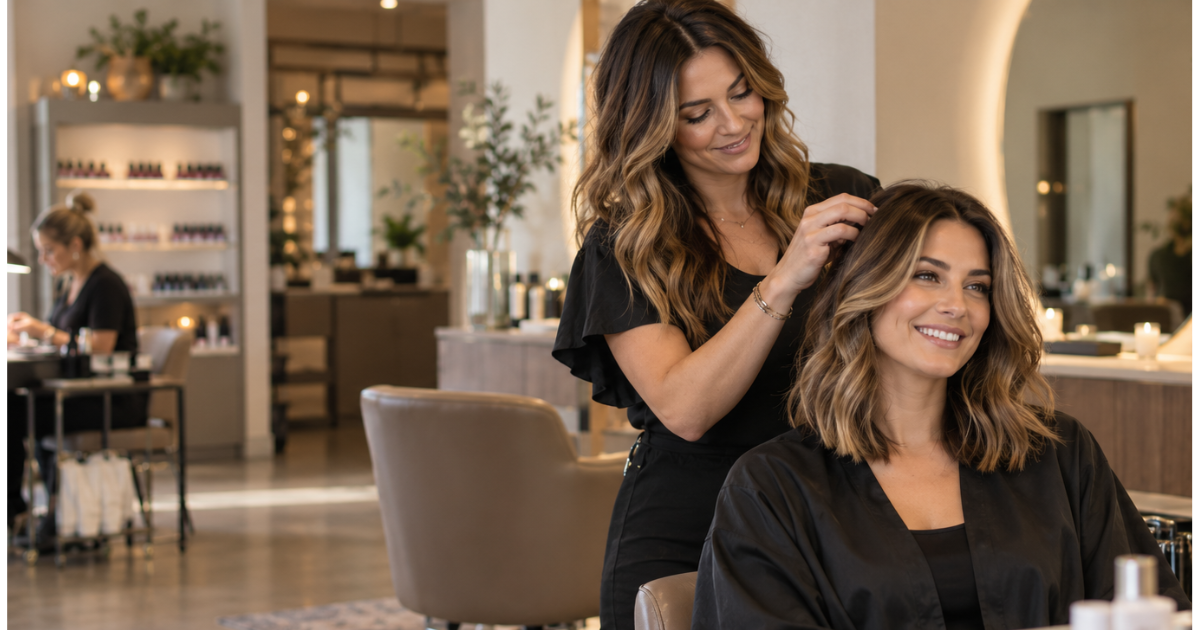
Custom haircut services are most successful when the shape is designed around the person wearing it, including their natural texture, density, daily routine, facial features, and styling preferences.
A great haircut should do more than look polished when you leave the salon. It should continue to make sense on an ordinary morning, after a workout, during humid weather, and on the days when elaborate styling is simply not happening. That is where customization becomes more than a beauty trend. It becomes a practical form of hair care.
The healthiest-looking haircut is not necessarily the shortest, trendiest, or most layered option. It is the one that works with the hair instead of demanding a daily battle against it.
It is easy to think of a haircut as the removal of length, but professional cutting is really a system for controlling shape, movement, weight, and balance. Small decisions can change how the entire style behaves.
A stylist may consider:
This assessment matters because hair is not a uniform material. An educational review of hair structure and cosmetic care published through the National Library of Medicine describes the physical layers and properties that influence how hair responds to grooming and chemical processes. Even on one person, different sections can have different growth patterns, porosity, or levels of weathering.
Customization allows the stylist to respond to those differences instead of applying one cutting pattern to everyone.
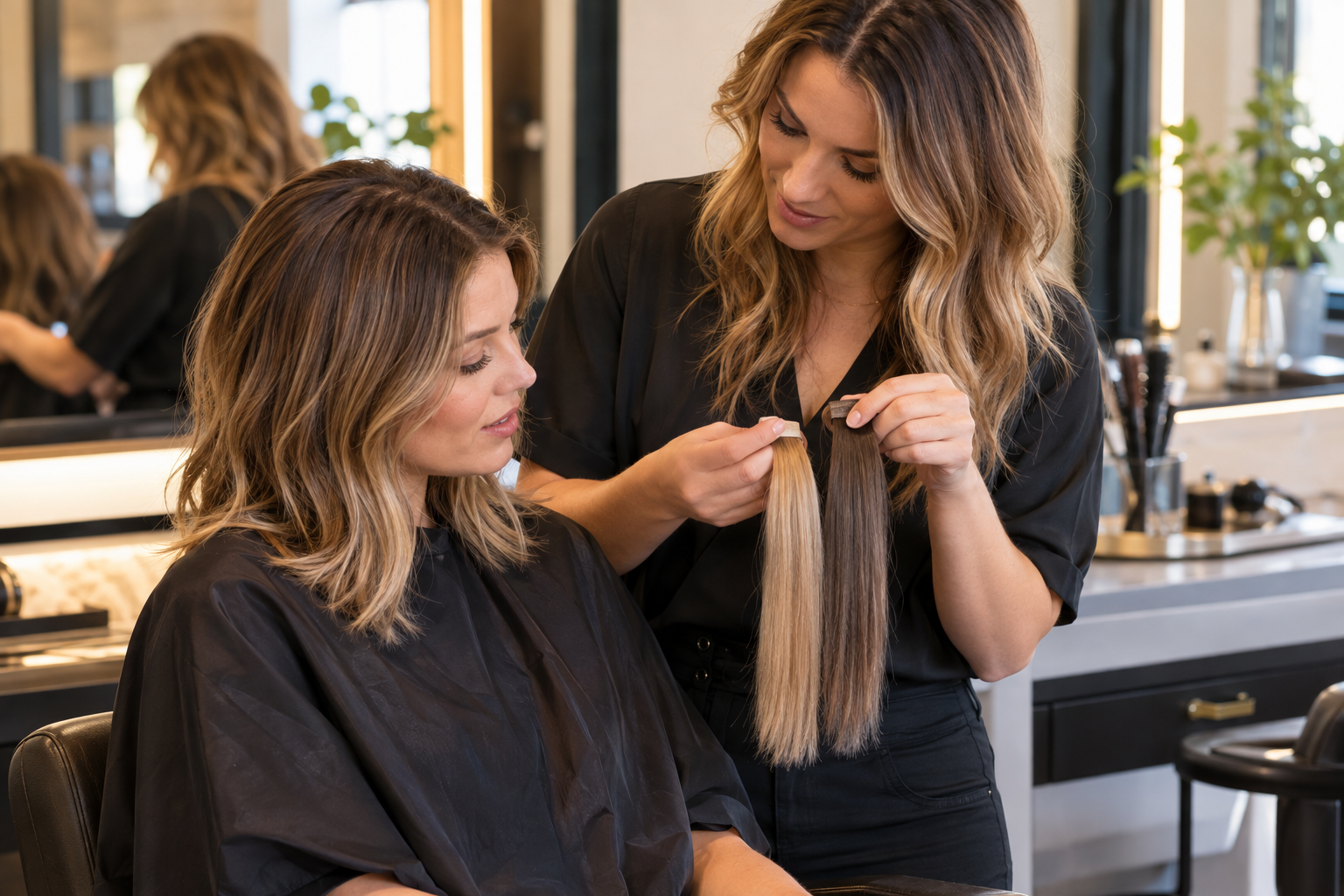
Bringing inspiration photos can be helpful, but a productive consultation goes beyond asking which picture you like. The stylist also needs to understand why you like it and whether its defining features will translate to your hair.
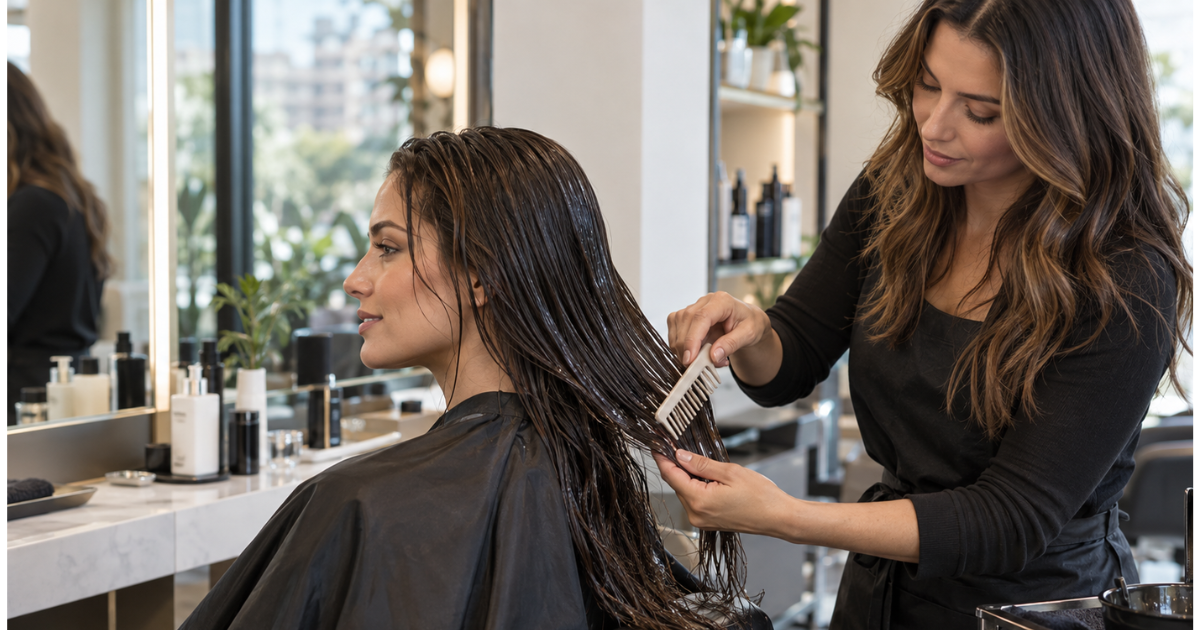
Explain what happens after washing. Does it air-dry with loose waves, form tight curls, become flat at the crown, or expand around the sides? Mention cowlicks, stubborn partings, and sections that behave differently from the rest.
These details influence where layers should begin, how the perimeter should be shaped, and whether removing weight will create movement or unwanted fullness.
If you usually spend five minutes styling your hair, say so. A cut that requires a round brush, several products, and a flat iron may not support your lifestyle, even if the finished salon photo looks beautiful.
The American Academy of Dermatology’s guidance on styling without damage recommends limiting excessive heat and handling wet hair carefully. A haircut that looks good with less manipulation may make those habits easier to follow.
Preferences such as “I do not want hair falling into my face” or “I need enough length for a loose bun” are useful design information. So are past frustrations. If previous layers created too much volume or a fringe required constant trimming, mention it before cutting begins.
The same haircut diagram will not produce identical results on straight, wavy, curly, and tightly coiled hair. Texture changes how length is perceived, how weight is distributed, and how the shape responds to moisture.
Curly hair may contract considerably after drying, while fine straight hair may reveal every line in the cut. Dense hair can sometimes benefit from carefully placed weight removal, but aggressive thinning may create frizz or make shorter pieces difficult to control. Fine hair may need a stronger perimeter to preserve the appearance of fullness.
This is why phrases such as “add layers” or “take out bulk” are only starting points. The stylist must decide where, how much, and with which technique. Good customization respects the natural pattern while still creating the movement or structure the guest wants.
The AAD’s healthy hair recommendations also emphasize choosing care methods according to hair type. That same principle applies to cutting. Texture-aware decisions tend to produce a shape that is easier to wash, condition, detangle, and style.
A haircut does not change how hair grows from the follicle, and it cannot make hair grow faster. It can, however, remove split, thin, or heavily weathered ends. This may reduce tangling and create a fuller, more even appearance.
Hair outside the scalp is a nonliving fiber, so a split end cannot biologically heal itself. Conditioning products can temporarily improve smoothness and manageability, but cutting remains the direct way to remove an end that has already divided.
The amount removed should depend on the condition of the hair and the guest’s goals. A light trim may be enough for someone maintaining a healthy shape. Hair with extensive breakage, transparent ends, or severe tangling may benefit from a more meaningful reset.
It is also worth separating breakage from hair loss. A stylist can identify visible changes and recommend gentler care, but sudden shedding, bald areas, scalp pain, or a rapidly widening part require medical attention. The AAD provides a useful overview of common signs of hair loss and when professional evaluation may be appropriate.
Color, lightening, permanent waves, smoothing services, and repeated heat styling can influence haircut decisions. Chemically processed ends may be more porous or fragile than newer growth. The stylist may need to preserve strength in one area while creating movement in another.
If you are planning both a major haircut and a color transformation, discuss the complete goal before either service begins. The intended color placement can affect where layers look most flattering, while the condition of lightened hair may determine how much length can realistically be maintained.
The AAD’s guidance for colored and permed hair explains that chemical services can leave hair dry or brittle. A thoughtful cutting plan accounts for that history instead of treating the ends as though they are in the same condition as the roots.
A professional finish is not only about creating a glamorous reveal. It helps the stylist inspect balance, movement, and weight distribution once the hair is dry. The finishing process can reveal a heavy corner, an uneven perimeter, or a layer that needs refinement.
It is also an opportunity to learn how the cut can be styled at home. Ask which brush was used, where airflow was directed, and which sections need the most attention. If the technique feels too complicated, request a simpler option.
At Liquid Salon in Bloomfield Hills, the listed women’s and men’s haircut services include a blow-dry style. Seeing the completed shape after drying can help connect the technical cut with its everyday styling potential.
A customized cut still needs reasonable maintenance. The following habits can help preserve both its shape and the condition of the hair:
A clear conversation can prevent many haircut disappointments. Before committing to a major change, ask:
A skilled stylist should be able to explain the tradeoffs clearly. Sometimes the best answer is a modified version of the inspiration photo, preserving its overall feeling while adjusting the length, layering, or fringe to suit the individual.
A personalized haircut sits at the intersection of beauty, health-conscious care, and daily practicality. It respects texture, acknowledges chemical history, and considers how much styling effort someone genuinely wants to invest.
The result does not have to be dramatic to be transformative. A more balanced perimeter, better-placed layers, or a shape that dries naturally can make hair feel easier to manage every day. That quiet improvement is often the clearest sign of a truly successful custom cut.