Smooth Moves: Waxing Services in Kansas City, MO
Unwanted hair is completely normal, but managing it does not have to become a daily chore. Professional waxing services in Kansas City, MO offer longer-lasting…

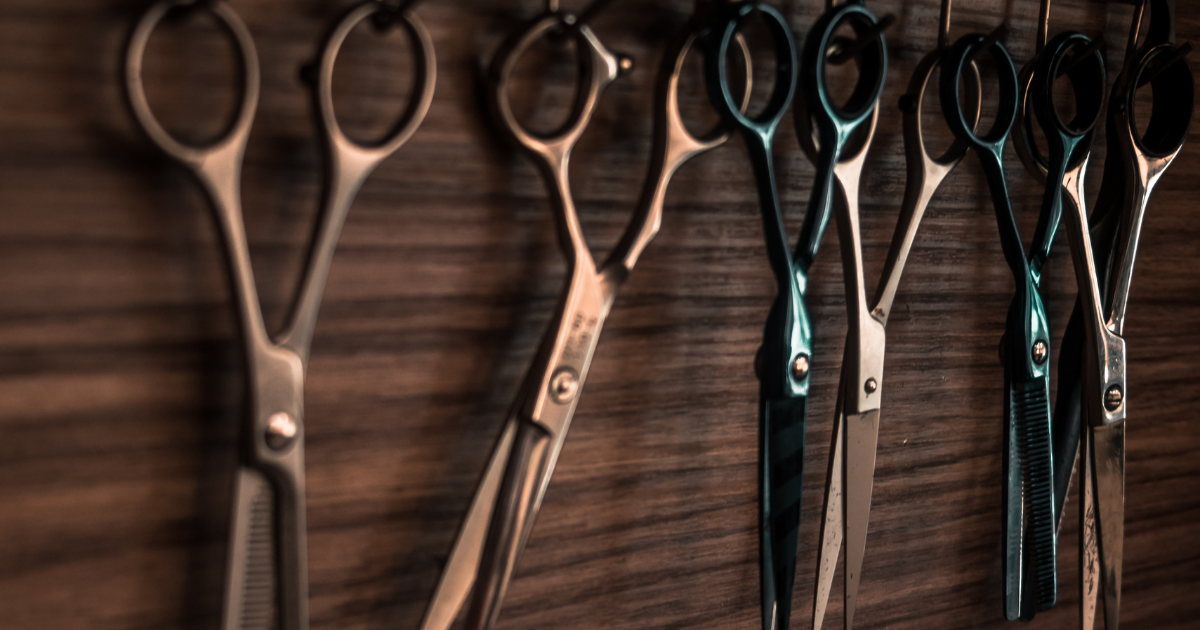
Well-planned haircuts in Savannah, GA can make daily styling easier, remove visibly damaged ends, and create a shape that works with a person’s natural texture and lifestyle.
A haircut is often treated as a simple change in length, but the right design can influence how the hair moves, how easily it detangles, and how much heat or product is needed to style it. That makes the consultation just as important as the cutting technique.
The goal should not be to force every person into the same trend. It should be to create a manageable style that supports healthy-looking hair and feels comfortable between appointments.
A haircut can remove split or weathered ends, but it cannot change how quickly hair grows from the scalp. Trimming does not directly make the roots produce hair faster.
What regular haircuts can do is reduce the amount of visible splitting and breakage at the ends. When damaged ends are left unattended, they may continue to fray and make the hair appear thinner or rougher.
The frequency of haircuts depends on:
A short precision cut may need reshaping more frequently than long layers. Chemically processed or heat-styled hair may also need a different maintenance plan from untreated hair.
A haircut that looks beautiful after a professional blowout may not be practical if it requires forty minutes of styling every morning. Be honest about how much time you normally spend on your hair.
Your stylist should know:
If you alternate between natural texture and smooth styling, mention that too. The cut should be designed with both versions in mind whenever possible.
Straight, wavy, curly, and tightly coiled hair respond differently to cutting and styling. Shrinkage, density, curl pattern, and growth direction can all influence the finished length and shape.
Fine hair may need thoughtful weight distribution to preserve fullness. Dense hair may benefit from carefully placed layers, while removing too much weight in the wrong area can create unwanted expansion.
Curly hair may appear considerably shorter once dry. A stylist should account for the curl pattern and discuss whether the hair will be evaluated or refined in its dry state.
A scientific review available through the National Library of Medicine explains the structure of the hair shaft and how cosmetic practices can affect its physical properties.
Trending styles can provide inspiration, but they should be adapted to the person wearing them. A bob, shag, pixie, layered cut, or fringe can look dramatically different depending on density and texture.
When bringing reference photos, explain which features you like:
This helps the stylist translate the image rather than attempting to copy a haircut created on completely different hair.
A maintenance haircut preserves an existing design. A transformation may involve removing substantial length, adding bangs, changing the silhouette, or embracing natural texture for the first time.
Major changes require more discussion because they may alter how the hair must be styled. Before a transformation, ask:
If you are uncertain, consider making the change in stages. Removing some length first can make the transition feel less abrupt while still creating a noticeable refresh.
Bangs can change the balance of an entire haircut, but they also grow into the eyes quickly. A professional trim can maintain the intended shape without accidentally removing too much length.
Cutting bangs at home while the hair is wet can be especially risky because the hair may appear shorter after drying. Curl pattern, cowlicks, and growth direction also influence how fringe sits.
Ask your stylist how to style the bangs and when a maintenance trim may be useful. Learning the correct brush direction and drying technique can make daily care much easier.
Short hair is not automatically simple. Clipper cuts rely on careful blending, clean outlines, and attention to head shape. Longer short styles may use more shear work to create movement and texture.
The desired finish should be discussed before cutting begins. Some guests want a sharp, structured result, while others prefer softer edges and a more natural grow-out.
Bring photos showing the sides, back, and top—not only the front. Those angles help the stylist understand the complete shape.
The condition of the hair between appointments depends heavily on daily habits. High heat, aggressive brushing, tight hairstyles, and repeated chemical services can contribute to breakage.
The American Academy of Dermatology recommends gentle handling, allowing hair to partially air-dry when practical, and using the lowest effective heat setting.
The organization also provides specific guidance for preventing damaged hair, including avoiding excessive pulling and reducing the frequency of high-heat styling.
A manageable between-appointment routine may include:
Tight braids, ponytails, buns, and extensions can place stress on the hairline when worn repeatedly. Pain or constant pulling should not be accepted as a normal part of styling.
The American Academy of Dermatology explains that continued tension can contribute to traction alopecia. Early signs may include broken hairs, tenderness, or thinning where the hair is pulled tightly.
A haircut can make the hair easier to manage, but changing tension-producing habits is also important. Speak with a dermatologist if you notice persistent thinning, scalp pain, or areas of hair loss.
A stylist can identify visible breakage or scalp irritation, but salon professionals do not diagnose medical conditions. Sudden shedding, patchy loss, persistent itching, sores, or significant scalp changes should be evaluated by a healthcare professional.
MedlinePlus provides general information about hair loss and the many factors that can contribute to it.
A cosmetic haircut may improve shape and appearance, but it is not a treatment for an underlying medical cause of hair loss.
When a haircut and color are planned together, the stylist can consider where brightness, depth, and layers will appear in the final design.
Some guests prefer to complete both services during the same visit, while others may benefit from separate appointments. The best sequence depends on the amount of length being removed and the planned color technique.
An add-on haircut can be useful when the existing shape needs refinement during a color appointment. Discuss the complete goal when booking so enough time is reserved.
Products should support the haircut rather than make it more difficult to understand. Ask your stylist to demonstrate how much product to use, where to apply it, and what result it should create.
Stop using a cosmetic product if it causes significant irritation. The U.S. Food and Drug Administration provides general cosmetics safety guidance for consumers, including recommendations about reporting reactions and following product directions.
You do not need every product used during the salon finish. Focus on the few items that make the greatest difference in your normal routine.
Roots Southern Salon provides customized haircut services in historic downtown Savannah. Its menu includes wash, haircut and style appointments, dry haircuts, children’s haircuts, bang trims, clipper cuts, longer shear-based cuts, and haircuts added to another service.
The salon uses consultations to understand each guest’s hair characteristics, style preferences, and maintenance needs. Services may range from a subtle trim to a complete transformation.
Roots Southern Salon also offers virtual consultation and stylist matching for new guests who need help selecting the right appointment or professional.
A healthy approach to haircutting does not chase trends at the expense of comfort or manageability. It considers texture, daily habits, existing damage, and the way the shape will grow between appointments.
Be clear about the amount of styling you are willing to do. Bring useful reference photos, discuss maintenance, and ask the stylist to explain the techniques and products needed at home.
The right haircut should feel like an upgrade to your routine—not a new problem to solve every morning.