Smooth Moves: Waxing Services in Kansas City, MO
Unwanted hair is completely normal, but managing it does not have to become a daily chore. Professional waxing services in Kansas City, MO offer longer-lasting…

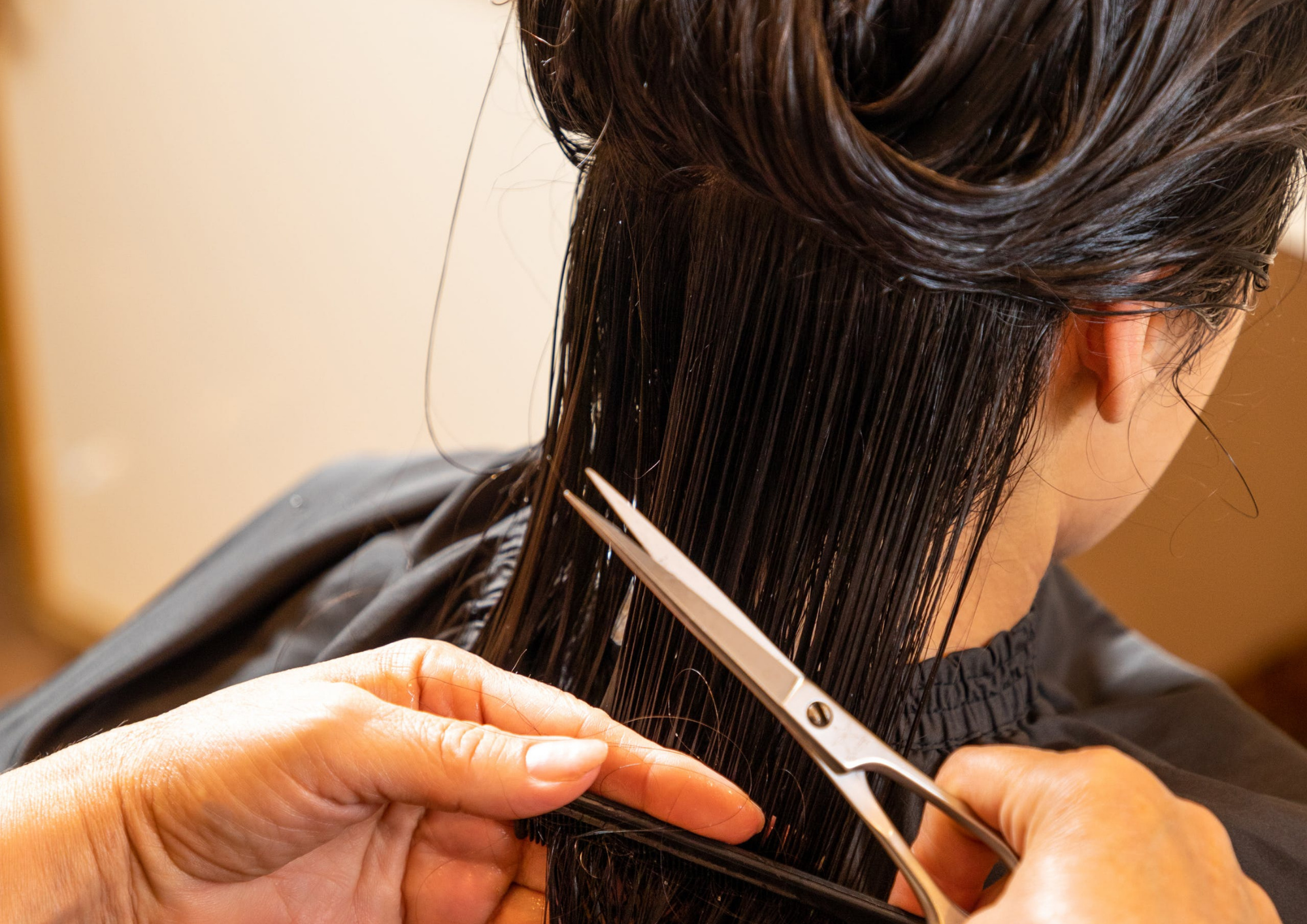
Precision haircuts are designed around the way your hair naturally moves, the amount of styling you want to do, and the shape you hope to maintain between salon visits.
That distinction matters because a haircut is not only about changing length. It can influence how quickly hair dries, where volume develops, whether curls sit evenly, and how much effort is required each morning. A well-planned shape can make a beauty routine feel more manageable without demanding that every strand behave perfectly.
The healthiest approach begins with realistic expectations, thoughtful consultation, and respect for the hair’s natural characteristics.
Precision does not necessarily mean sharp lines or a highly structured style. It means the stylist makes intentional decisions based on head shape, hair texture, density, growth patterns, and the desired result.
Two people asking for shoulder-length layers may need completely different techniques. One may have fine, straight hair that needs weight preserved around the perimeter. Another may have dense waves that require carefully placed movement. A third may have curls that shrink considerably as they dry.
A precision-focused service considers:
The objective is not to force the hair into a predetermined template. It is to create a balanced shape that works with the person wearing it.
Inspiration photos can establish a visual direction, but the consultation should go beyond identifying a trend. The stylist needs to understand which part of the image appeals to the client and whether that feature is practical for the client’s own hair.
It helps to discuss how the hair behaves on an ordinary day. Be honest about how often you blow-dry, whether you use hot tools, how frequently you wash, and how much time you are willing to spend styling.
These answers help the stylist design for real habits. A cut that requires a round brush, several products, and daily hot-tool styling may not suit someone who prefers to air-dry and leave home quickly.
A haircut cannot repair the biological structure of damaged hair, but removing compromised ends and adjusting the shape can improve manageability. It can also reduce the temptation to repeatedly smooth or reshape difficult sections with heat.
The American Academy of Dermatology’s healthy-hair guidance recommends selecting products according to hair type, applying shampoo primarily to the scalp, conditioning after washing, and detangling gently. These habits support the shape created in the salon by helping limit avoidable dryness and breakage.
If hair is suddenly thinning, shedding excessively, or breaking close to the scalp, a haircut should not be treated as a medical solution. A board-certified dermatologist can assess changes that may involve the scalp, follicles, or an underlying health condition.
Curly and coily hair often changes significantly between wet and dry states. Individual sections may have different curl patterns, levels of shrinkage, and density. That makes careful observation especially valuable.
A customized curly haircut can account for where volume naturally expands, how the curls group together, and which sections need more or less weight. The desired finish also matters. A client who normally diffuses may need a different shape from someone who stretches or occasionally straightens the hair.
The American Academy of Dermatology notes that curly and coily hair can be more prone to dryness and breakage. Its recommendations include moisturizing consistently, detangling in sections, avoiding dry brushing, and protecting curls from unnecessary friction.
Research available through the National Library of Medicine discusses curl-pattern classification as a possible communication tool. A category cannot describe everything about someone’s hair, but shared terminology can help clients and professionals discuss texture more clearly.
Some professionals approach hair as a fabric that needs to be tailored to the individual form. Rather than relying only on fixed angles from the head, a French-inspired method may consider the complete silhouette, including facial features, shoulder lines, and the way the hair moves around the body.
This perspective is useful because people experience a haircut in motion, not as a stationary diagram. Hair shifts while walking, turning, exercising, and moving through daily life. A successful shape should remain intentional from different angles.
The method does not replace the need to understand texture. Technique should still be adjusted according to whether the hair is straight, wavy, curly, fine, dense, or chemically treated.
A professional blowout can reveal balance and polish the result, but it should not conceal a shape that only works under highly controlled conditions. The client should understand what the haircut is likely to do when styled at home.
During the finish, ask the stylist to explain:
The American Academy of Dermatology advises limiting excessive heat and using flat irons only on dry hair at low or medium settings. A study available through the National Library of Medicine also examined how dryer temperature and distance affect the hair shaft, reinforcing the value of thoughtful heat management.
Good home care does not need to involve a crowded shelf of products. A simple routine matched to your texture is usually easier to follow consistently.
Scalp care is part of this routine. The Centers for Disease Control and Prevention recommends regular cleansing to remove dirt, oil, sweat, dead skin, and product buildup. It also advises against sharing brushes, combs, and towels.
Haircutting requires more than creativity. It involves sanitation, tool control, technical education, consultation skills, and an understanding of how different textures respond.
In Virginia, the Board for Barbers and Cosmetology licenses cosmetology professionals and businesses. Clients can also consider a stylist’s advanced education, specialties, portfolio, and experience with comparable hair textures.
A knowledgeable stylist should be able to explain why a technique is being recommended. Clear explanations make it easier for the client to participate in decisions instead of simply waiting for the final reveal.
At Amp Studios in Leesburg, Virginia, the haircut menu includes a haircut and finish, a curly haircut and finish, blowouts, and professional treatments. The salon describes its cutting philosophy as a tailored approach that considers head shape, shoulder lines, smile lines, and the complete form of the head.
The studio also states that it maintains a planet-friendly environment and is Green Circle certified, recycling a substantial portion of its salon waste. For readers interested in the broader relationship between beauty services and environmental responsibility, the U.S. Environmental Protection Agency’s green-salon resources provide information about waste reduction and healthier salon practices.
A haircut should complement facial features, but it also needs to fit your schedule, styling ability, texture, and personal definition of feeling comfortable. The most flattering option is not always the trendiest or most elaborate one.
When the consultation is honest and the technique is individualized, a haircut can reduce daily styling friction and make natural movement easier to manage. That is where beauty and well-being meet: not in chasing perfection, but in creating a routine that feels realistic, confident, and genuinely your own.